 Enu
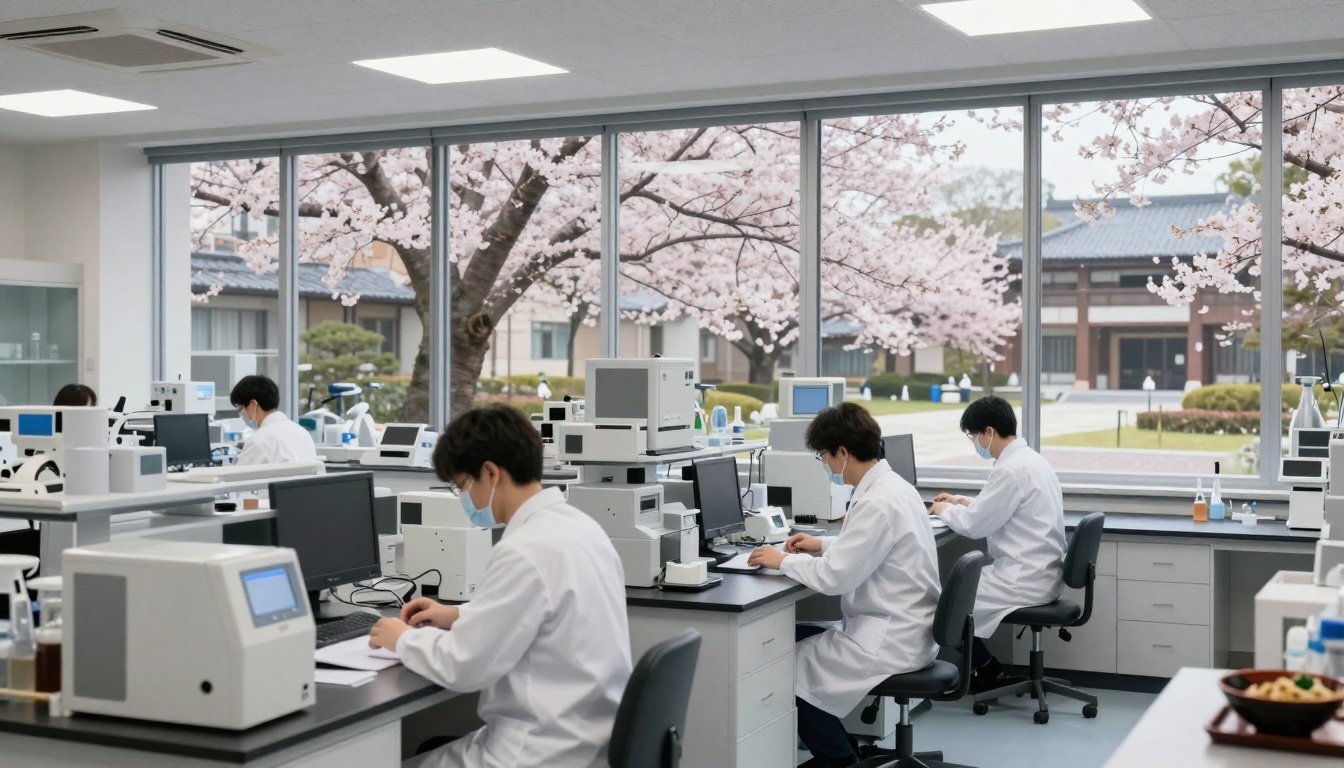
EnuImagine diving into a high-tech lab at the University of Tokyo, pipetting samples under the guidance of world experts while cherry blossoms bloom outside. Japan research programs draw ambitious undergrads and grads from around the globe. They offer hands-on projects in neuroscience, materials science, and genetics, plus full funding for travel, housing, and stipends.
These programs blend rigorous science with Japan’s unique culture. You’ll network with top mentors, present findings, and maybe master basic Japanese over ramen breaks. Students like those helped by StudyIn consultants rave about smooth applications and life-changing results. One undergrad landed a spot at a UK uni after similar support, crediting personalized guidance for their success.
This guide covers why these programs shine, the top eight for 2026, eligibility, application steps, pros and cons, funding tips, and real insights. Always check official sites for updates, as details shift. Ready to boost your resume?
Why Japan Research Programs Stand Out for International Students
Japan leads in robotics, biotech, and quantum tech. Its research hubs boast state-of-the-art gear that rivals global leaders. Many Japan research programs run in English, easing entry for non-speakers. Plus, they often pair science with cultural immersion, like temple visits or tea ceremonies.
Fully funded spots abound, especially at institutes like OIST and RIKEN. Past interns report acceptance rates around 10-20%, but strong apps win out. Platforms like GoAbroad help scout options amid 300+ study programs.
Key reasons make these programs a smart pick:
- World-class facilities: Access electron microscopes and supercomputers unavailable back home.
- Generous support: Many cover flights, dorms, and daily allowances up to 90 days.
- Mentor matches: Pair with professors who’ve collaborated with Harvard or MIT.
- Career boost: Alumni snag PhD offers or industry gigs; think brain science breakthroughs.
- Cultural edge: Free language classes and excursions build soft skills employers love.
These perks turn a summer stint into a launchpad.
Access to Cutting-Edge Labs and Mentors
Picture labs at RIKEN or University of Tokyo, buzzing with Nobel winners’ teams. OIST in Okinawa draws diverse talent for marine biology and physics. Collaborations link you to Harvard projects. Interns rotate labs, gaining broad exposure. One session might mix AI with biology.
Funding and Support Packages
NIMS accepts about 100 interns yearly, funding housing and transport. OIST provides round-trip tickets and stipends. Amgen Scholars at Kyoto covers everything for life sciences. Check sites like OIST’s application page for 2026 details.
Top 8 Japan Research Programs for 2026
Scores of Japan research programs open soon for summer 2026. Focus on STEM fields like genetics and materials. Deadlines cluster in December-January. Use sites like Osaka University’s ISP page to apply.
Here’s the lineup, drawn from latest calls:
- UTRIP (University of Tokyo): Physics, chemistry, astronomy. 6 weeks summer. Fully funded travel, stipend, housing. Undergrads 2nd/3rd year, GPA 2.1+. Deadline Jan 7, 2026. Includes excursions, presentations.
- Osaka University ISP: Physics, biology, earth science. July 16-Aug 27. Travel/stipend often covered. Undergrad/early grad. Deadline Jan 13, 2026.
- NIG-INTERN (National Institute of Genetics): Genomics, molecular bio. 6 weeks June-July. Fully funded. 3rd/4th year undergrads. Deadline Jan 5, 2026.
- NIPS Internship: Physiology, neuroscience. 2 weeks May 2026-Jan 2027. Covers travel/stay. PhD hopefuls. Deadline Jan 16, 2026.
- NIMS Internship: Materials science. Up to 90 days by March 2027. Allowance, housing, some travel. Contact researcher first. Deadline Jan 30, 2026.
- OIST Research Internship: Broad STEM. 2-6 months flexible. Fully funded. Bachelor’s/master’s students. Deadlines late 2025/early 2026.
- RIKEN CBS Summer Program: Brain science. 1 week lectures + 2 months research. Often funded. Undergrad/grad. Jan-Feb deadline expected.
- Amgen Scholars (Kyoto U & U Tokyo): Life sciences. 8 weeks June-Aug. Fully funded. 2nd/3rd year undergrads. Deadline Feb 2026.
These pack labs, seminars, and reports. Kyoto Amgen flyer confirms spots.
University of Tokyo Research Internship Program (UTRIP)
Undergrads tackle advanced projects with profs. Expect lab work, Japanese culture tours, language basics. Opens Nov 25, 2025. Strong rec letters key.
Kyoto University Amgen Scholars Program
June 5-Aug 6. Life sciences focus: biotech, pharma. Symposia, housing included. Deadline Feb 1. Builds PhD pipelines.
Eligibility and How to Apply to Japan Research Programs
Most Japan research programs target 2nd-year undergrads onward. Need GPA 2.1+, English TOEFL/IELTS, 1-2 rec letters, CV, motivation statement. No Japanese required for many.
Consultants like StudyIn aid SOPs; one student praised visa ease after team help.
Step-by-Step Application Guide
- Scan programs: Match field (e.g., genetics to NIG). Note deadlines.
- Contact profs: Email 2-3 per program with CV, interests. NIMS requires this.
- Gather docs: Transcript, recs, essay (why Japan?).
- Submit online: Portals open Nov-Dec. Hit Jan deadlines.
- Follow up: Track results March-April.
- Prep logistics: Visa, flights post-acceptance.
- Practice presentation: Many end with talks.
Checklist: GPA proof? Prof reply? English score?
Visa and Preparation Essentials
Apply for student visa post-acceptance. Platforms like ApplyBoard streamline docs. Gather COE from program, finances proof. Process takes 1-2 months; start early.
Pros, Cons, and Real Student Experiences
Japan research programs build skills fast. Students echo StudyIn testimonials: “Supportive teams turned stress into success,” adapted here for lab wins.
| Pros | Cons |
|---|---|
| Full funding eases costs | High competition (10-20% rates) |
| Top mentors, networks | Short terms limit depth |
| Cultural immersion | Mild language hurdles |
| Resume gold for grad school | Intense schedules |
Interns share: “OIST changed my PhD path,” or “NIMS housing let me focus.” Support mirrors GoAbroad reviews: hassle-free arrivals.
Funding, Scholarships, and Tips for Japan Research Success
Programs fund most: OIST stipends top 2,400 JPY/day. External like MEXT adds options; QS lists $111M in aid.
Tips:
- Apply to 5+ programs early.
- Tailor emails to prof research.
- Learn hiragana basics.
- Highlight prior lab work.
- Network on LinkedIn.
- Prep for interviews.
- Budget extras like SIM cards.
- Join forums for advice.
- Use GoAbroad for backups.
- Follow up politely.
Conclusion
Top picks like UTRIP, OIST, and Amgen deliver labs, funding, and growth in Japan research programs. With Jan 2026 deadlines looming, check sites now.
Boost your future: pick a match, craft that app, chase mentors. Platforms like StudyIn or GoAbroad smooth the path. What’s your field? Start today.


 Enu
Enu