
 Enu
EnuPicture this: your flight touches down in Beijing for a quick connection to Bangkok. You want to step out, see the Great Wall, or grab real Peking duck. But first, sort the paperwork. This guide covers everything on the transit visa to China, including the popular 240-hour visa-free option that lets many travelers stay up to 10 days without hassle.
You’ll learn eligibility, steps, costs, and pitfalls. Always confirm details on official sites like the National Immigration Administration, as rules shift.
Quick Answer (Read This First)
- Most travelers from 55 countries qualify for 240-hour visa-free transit, no visa needed.
- Stay up to 10 days in set areas around entry ports like Beijing or Shanghai airports.
- Need a valid passport, onward ticket to a third country within 240 hours.
- Enter/exit via 65 approved ports in 24 regions.
- Free entry; just show tickets at immigration.
- Not for work or study; tourism or business meetings only.
- Check your nationality list before booking flights.
What Is a Transit Visa to China and What Does It Do?
A transit visa to China, often called a G visa, lets you pass through without entering mainland areas fully. But in 2026, the big news is the expanded 240-hour visa-free transit. This policy acts like a free pass for layovers turned mini-vacations.
It covers citizens from places like the US, UK, Canada, Australia, Japan, and many EU nations. Fly in from one country, stay up to 10 days, then head to a third spot. No full tourist visa required.
This beats old rules. Before, short transits needed a proper visa with embassy visits. Now, border officers stamp a temporary permit on arrival if you qualify.
Services like VisaHQ help check needs online, but for visa-free, skip applications.
Key Features of Transit Visa to China
- Duration: Up to 240 hours (10 days) from midnight after arrival day.
- Eligibility: 55 nationalities; passport valid 3+ months post-arrival.
- Ports: 65 spots, including major airports (Beijing Capital, Shanghai Pudong) and some land borders.
- Areas: Stay in linked zones, like Beijing-Tianjin-Hebei cluster.
- Activities: Tourism, family visits, business talks, trade fairs.
- Onward Proof: Confirmed ticket to third country/region within time limit.
- No Cost: Visa-free option; traditional G visa fees around $30-140 USD.
Step-by-Step: How to Use Transit Visa to China
- Verify eligibility on the National Immigration Administration site or embassy.
- Book flights: Inbound from country A, outbound to country B within 240 hours.
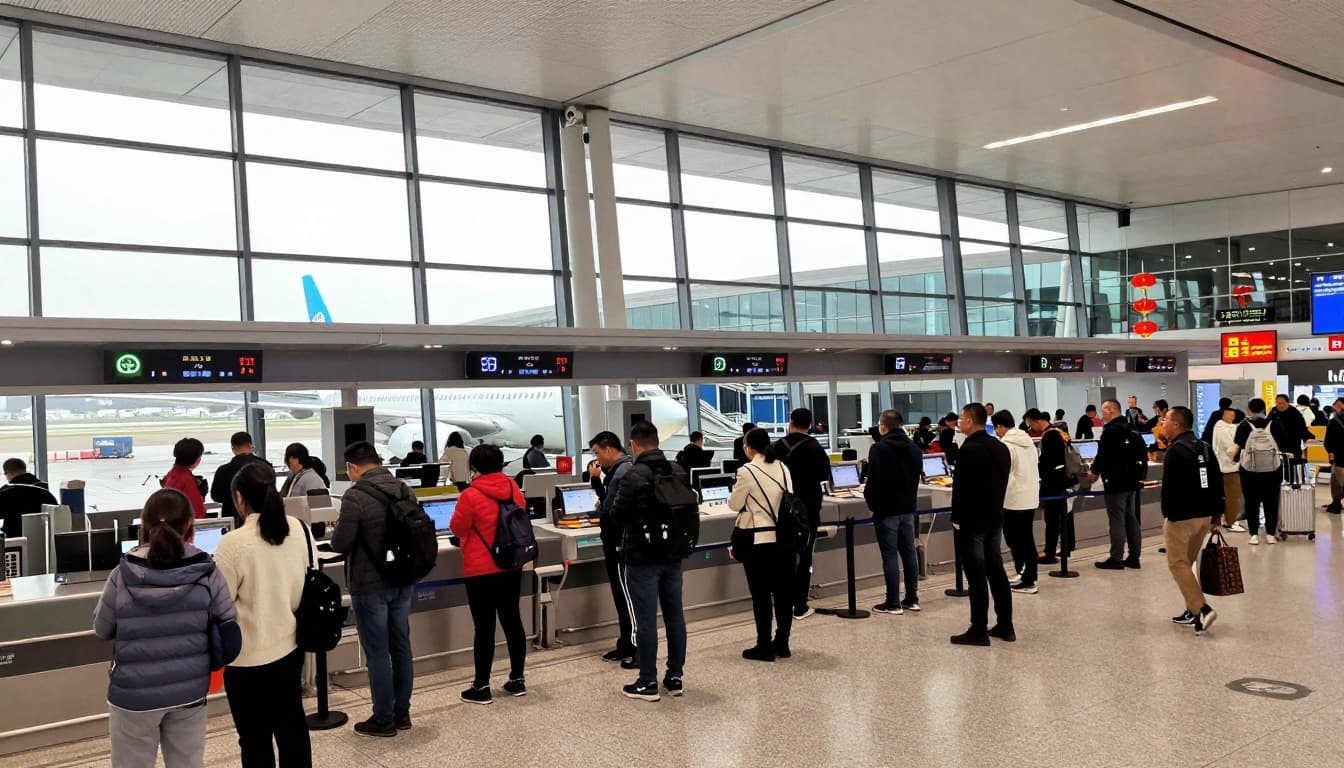
- Inform airline at check-in; show passport and onward ticket.
- Arrive at approved port; fill entry card (online or on-site).
- Approach immigration; declare “240-hour visa-free transit.”
- Answer questions on plans; get temporary permit if approved.
- Enjoy stay in allowed area; keep documents handy.
Before you travel checklist:
- Passport validity.
- Third-country ticket.
- Entry port on list.
- No recent China violations.
Pricing, Fees, and Hidden Costs
The 240-hour option costs nothing extra. No application fee, just standard flight tickets.
Traditional G transit visa? Expect $30 USD single-entry at embassies, plus service fees from outfits like VFS Global (around 20-50 USD). Add courier or premium lounge costs if rushed.
Example breakdown (hypothetical for US citizen needing G visa):
- Visa fee: $30.
- Service: $40.
- Express: $25.
- Total: $95, plus passport photos.
Flights matter most. Budget airlines keep layover legs cheap, but confirm baggage rules.
Pros and Cons
| Pros | Cons |
|---|---|
| Free for 55 nationalities | Limited to specific ports and areas |
| Up to 10 days for sightseeing | Must leave within 240 hours exactly |
| No embassy queues | Not for direct back to origin country |
| Covers business visits | Officers can deny at border |
| Easy for major hubs | No paid work allowed |
Common Mistakes (and How to Avoid Them)
- Wrong ports: Pick non-approved airports. Fix: List-check first.
- No onward ticket: Buy later. Fix: Book before flying.
- Return flights: Fly home same route. Fix: Route to third spot.
- Overstay area: Venture outside zone. Fix: Map permitted regions.
- Short passport: Less than 3 months left. Fix: Renew early.
- Ignore updates: Rules changed post-2025. Fix: Re-check weekly.
- Work plans: Declare business wrong. Fix: Stick to tourism.
- Airline mix-up: Don’t tell check-in staff. Fix: Mention transit policy.
Is Transit Visa to China Legit and Safe?
Yes, fully official from China’s government. Backed by NIA since 2013, expanded in 2026. No scams here; it’s policy, not service.
Check issuer: Official stamps only. Use embassy sites for confirmation. Reviews on platforms praise ease for eligible folks.
Safe as any border process. Keep tickets digital and printed. Travelers report smooth entries at big airports.
Tips to Maximize Your Transit Visa to China
- Book flexible tickets; changes cost less.
- Pick Beijing or Shanghai for most sights.
- Use high-speed rail within zones.
- Download translation apps for chats.
- Pre-plan hotels in allowed areas.
- Join group tours for guided fun.
- Track 240-hour countdown app.
- Pair with nearby visa-free spots like Hong Kong.
- Travel light; baggage fees add up.
- Buy travel insurance covering transit.
For full plans, sites like China Odyssey Tours offer visa-free itineraries.
FAQs
Do I need a transit visa to China if from the US?
No, use 240-hour visa-free if routing to third country.
How long is the transit visa to China valid?
240 hours max for visa-free; G visa varies by type.
Can I leave the airport on transit visa to China?
Yes, explore designated areas up to 10 days.
What if my layover exceeds 240 hours?
Get full visa beforehand.
Does transit visa to China cover trains?
Some ports yes; check for high-speed options.
Refund if denied entry?
Airline may rebook; no visa fee loss.
Baggage rules for transit?
Claim and recheck if switching terminals.
Kids on transit visa to China?
Same rules; family passports qualify.
Conclusion
The transit visa to China in 2026 boils down to visa-free ease for most. Qualify with right nationality, tickets, and ports for stress-free 10-day adventures.
Plan your route now. Check official sources, book onward flights, and go. Safe travels through the Middle Kingdom.

 Enu
Enu