 Enu
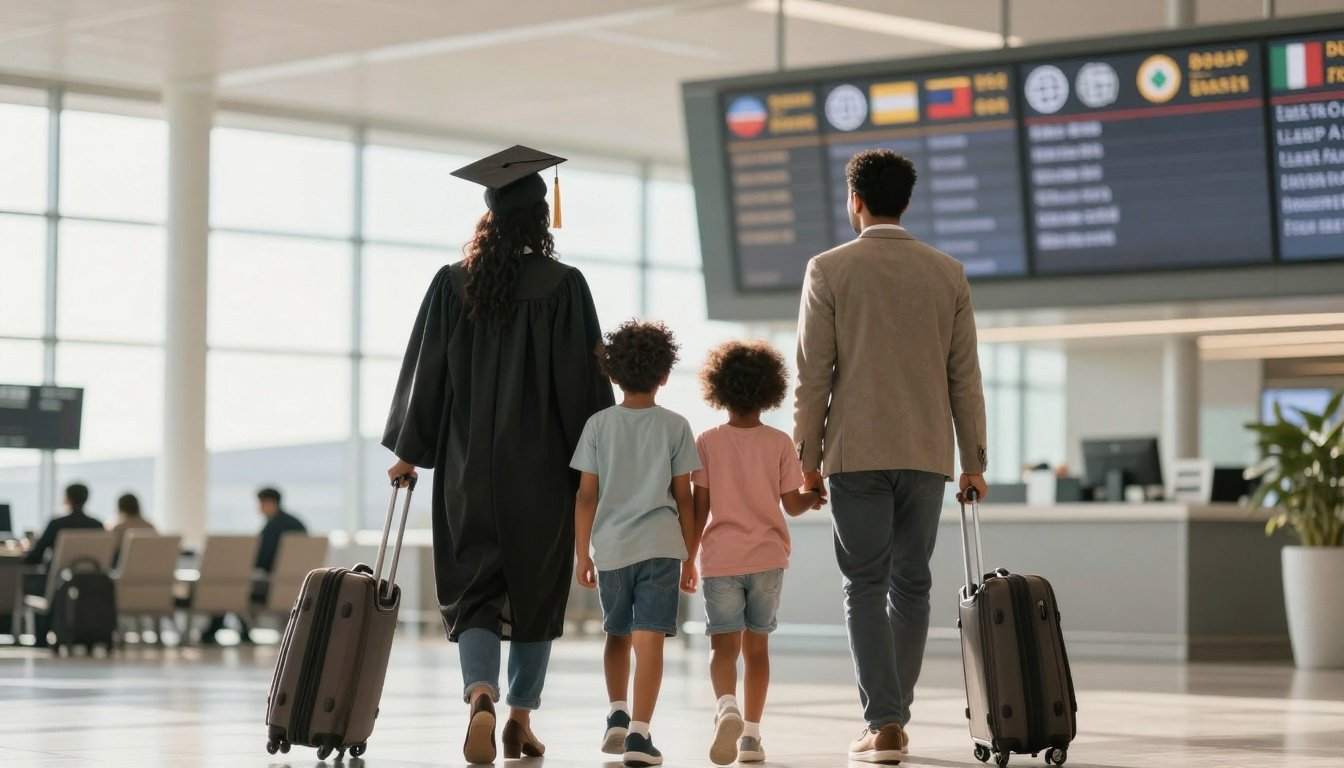
EnuPicture this: you’ve landed your dream study spot abroad, but leaving your spouse or kids behind feels wrong. A student dependent visa makes family reunion possible. These visas let partners and unmarried children under 21 tag along while you pursue your degree.
In 2026, rules stay strict across top destinations like the UK, US, Canada, and Australia. Families often face hurdles with proof of funds, relationships, and timing. This guide breaks down eligibility, documents, costs, and steps so you apply together without stress. You’ll learn what works, common traps, and how pros smooth the path. Always check official sites for updates, as policies shift.
Who Qualifies as a Student Dependent?
Not every student can bring family. You typically need a full-time postgraduate course, like a PhD or research degree over six to nine months. Government-sponsored students often qualify too.
Spouses count as legally married partners or those in a genuine, long-term relationship with proof like joint bills or photos. Kids must be under 18 or 21 if unmarried and dependent. The student must show enough money to support everyone, beyond tuition.
For example, one student at University College London shared how clear guidance on eligibility turned their family plan into reality. Services from experienced counselors confirm your case fits before you start.
UK Student Dependent Visa Rules
UK rules tightened post-2024, but options exist for 2026. You need a Student visa for a PhD or research program lasting nine-plus months at a compliant university. Government scholarships over six months work too.
Dependents apply via the official UK government page. Spouses get 20 hours weekly work rights; kids under school age join nurseries. Proof includes marriage certificates, TB tests, and funds covering £845 monthly per adult outside London.
Timelines? Apply up to six months before your course. Processing takes three weeks outside the UK. Many families praise counselors for handling CAS letters and visa coordination, avoiding delays.
US F-2 Dependent Visas Explained
In the US, F-1 students bring spouses and kids under 21 on F-2 visas. Check the Study in the States overview for SEVIS details.
Your school issues separate I-20 forms for each dependent after proving extra funds, like bank statements covering living costs. Spouses can’t work but can study part-time. Kids attend public school up to grade 12 for free.
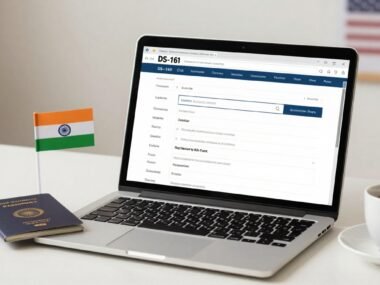
One testimonial highlighted seminars on documents leading to acceptances from five schools. Apply at a US embassy with DS-160 forms; expect interviews. Processing varies by country, often 1-3 months.
Canada Family Options with Study Permits
Canada welcomes dependents for master’s or PhD students in 2026, especially with new faster processing for graduate programs. Spouses may get open work permits if you’re in eligible fields.
Visit IRCC’s family sponsorship page for basics, though study dependents differ. Show relationship proof, funds (CAD 20,635 for family of three), and medical exams.
Kids can study full-time. Recent changes limit spousal work permits, so confirm your program’s status. Students report stress-free processes with expert help on university lists and visas.
Australia Student Dependent Checklist
Australia’s subclass 500 visa covers dependents. For 2026, expect higher fees and English tests. See this student dependent checklist updated for recent changes.
You need Genuine Student status, health insurance (OSHC for all), and funds like AUD 24,505 yearly plus per dependent. Spouses work unlimited hours during terms; kids attend school.
Apply online via ImmiAccount. Processing hits 75% in one month. Families note counselors’ role in scholarships and accommodation eased their moves.
Must-Have Documents for All Applications
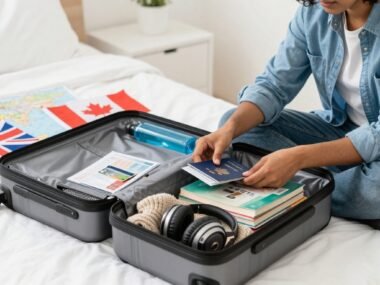
Gather these early:
- Marriage/birth certificates (translated, apostilled).
- Passports valid six months beyond stay.
- Proof of funds (bank statements, scholarships).
- TB test results from approved clinics.
- Relationship evidence (chats, photos, joint accounts).
Students often use counselors for document checks, fixing issues like missing LORs upfront.
Step-by-Step Application Process
- Secure your student visa first.
- Get dependent invitation letters or I-20/CAS.
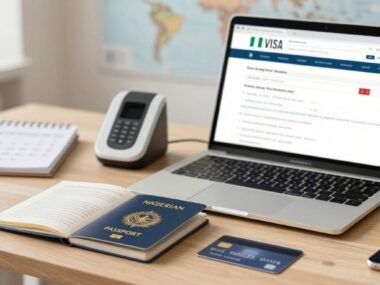
- Fill forms online (e.g., VAF4A for UK).
- Book biometrics and interviews.
- Pay fees; submit docs.
- Track status; attend visa office.
Before submitting, double-check funds and ties to home country. Allow 3-6 months total.
Costs and Timelines in 2026
Fees rise yearly: UK £524 per dependent; US $510 SEVIS; Canada CAD 150; Australia AUD 710. Add health surcharges (£1,035/year UK) and biometrics (£19.20).
Processing: UK 3 weeks; US embassy-dependent; Canada 8-12 weeks. Budget extra for translations.
Dependent Rights: Work, School, and Limits
Spouses work part/full-time in most spots (UK 20 hours, Australia unlimited). Kids study full-time. No public funds access. Maintain student status or risk all visas.
Avoid These Refusal Risks
- Weak relationship proof.
- Insufficient funds.
- Late applications.
- Criminal records.
Consultants spot these, like one who turned rejections into offers via refined apps.
FAQs
Can spouses work on a student dependent visa?
Yes, limited hours in UK/Canada; full in Australia.
What if my child turns 18 during studies?
They may need to switch visas.
How much proof of funds?
Varies; UK £1,270/month per person.
Apply together or separately?
Together speeds things up.
What if refused?
Reapply with fixes; seek advice.
In summary, a student dependent visa opens doors for family studies abroad in 2026. Master eligibility, docs, and timelines per country to succeed. Partner with proven counselors who’ve guided thousands through offers, visas, and arrivals. Start your free consultation today; your family’s future awaits.

 Enu
Enu