 Enu
EnuBudget airline priority bundles are packaged add-ons that combine things like earlier boarding, a larger cabin bag, and sometimes seat selection. This guide breaks down what’s typically inside, what can reduce total trip cost, and what often just feels “nice to have.”
Always confirm prices and policies on the official site.
Quick Answer (Read This First)
- Priority bundles usually save money only when you already need at least two paid add-ons (most often a cabin bag plus seat selection).
- The “win” is avoiding the highest last-minute prices, especially for baggage added late.
- Priority boarding by itself rarely saves money, it mostly buys overhead-bin odds and less gate stress.
- Seat selection saves money only when it replaces a separate seat fee you would’ve paid anyway (families and groups feel this most).
- Cabin-bag upgrades are the most common bundle value driver, because bag fees swing widely by route and demand.
- Checked-bag-in-a-bundle can be good value, but only if you’re certain you’ll check a bag both ways.
- Bundles can cost more than à la carte when the bundle includes a perk you don’t use (fast track, flex changes, “premium” seating).
- “Cheap fare” usually means seat plus a small under-seat personal item, everything else is extra.
What Is Budget Airline “Priority” Bundles Explained, and What Does It Do?
“Priority” bundles are airline-created packages that combine multiple extras under one price. The name varies, but the core idea stays the same: pay once, get a set of add-ons that would cost more separately.
For airlines, bundles raise revenue and reduce checkout friction. Instead of picking five add-ons one by one, the traveler clicks one option.
For passengers, the value is simple when it hits: one purchase that covers the most common pain points (bag rules, boarding order, and sitting where you want).
Bundle contents and naming are not standardized across airlines. Ryanair’s fare bundles, for example, spell out what’s included in each fare level, including the cabin bag rules tied to “Regular” style fares.
Key Features of Budget Airline Priority Bundles Explained
- Earlier boarding group access (priority, speedy, group 1, zone 1)
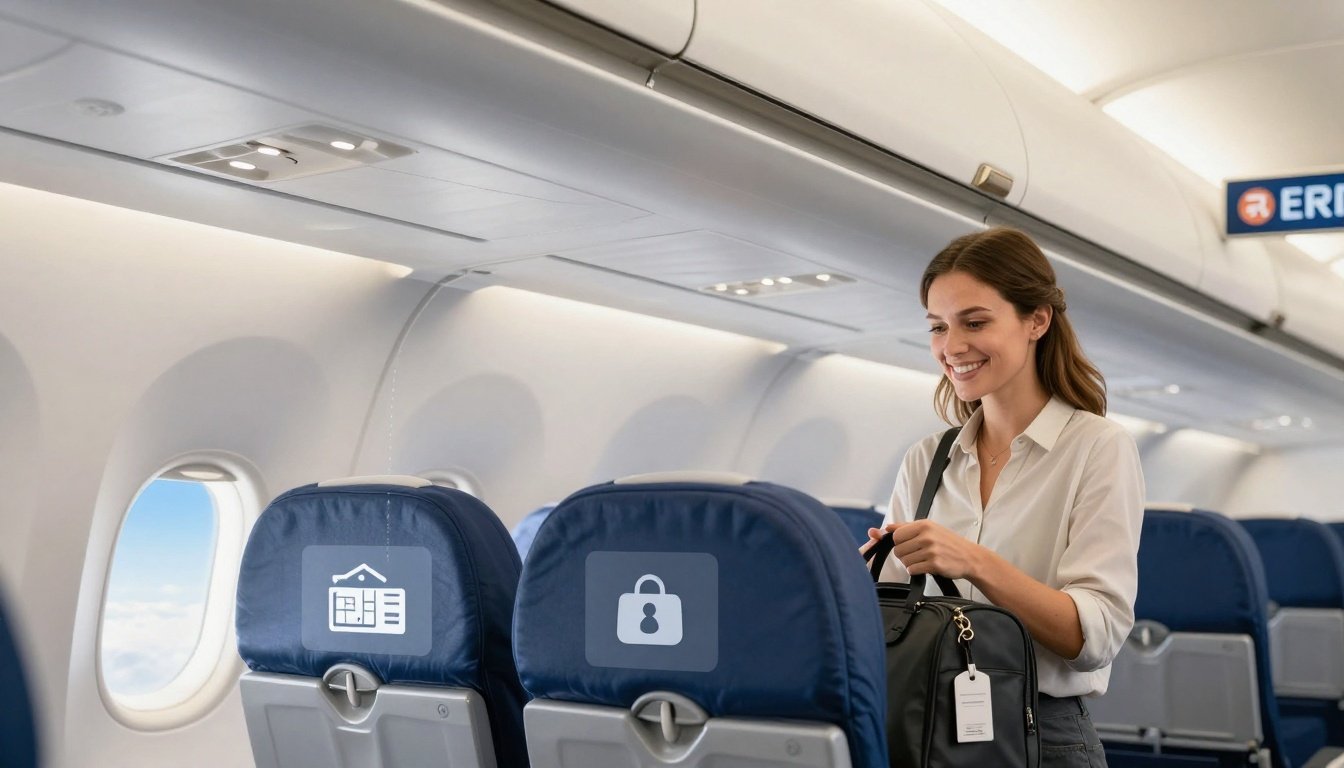
- A second cabin bag, often a 10 kg roller, in addition to the under-seat item
- Seat selection, sometimes limited to standard seats only
- “Preferred” seating access (front rows or extra-legroom), sometimes discounted, sometimes not
- Reduced risk of paying the highest bag fees at the airport
- Occasional extras like fast track security, flexibility, or premium support (airline-dependent)
Step-by-Step: How to Use Budget Airline “Priority” Bundles Explained
- Start with the base fare and confirm what’s included (usually a seat plus a small personal item).
- List what you’ll actually use: seat choice, overhead-bin cabin bag, checked bag, flexibility.
- Price those add-ons individually for the exact flights, both outbound and return.
- Open each bundle option and compare what it replaces (not what it “adds”).
- Watch for seat restrictions (some bundles don’t include extra-legroom or front rows).
- Check cabin-bag size and weight limits tied to the bundle, not just the airline’s general baggage page.
- Confirm whether the bundle applies per flight segment or per trip.
- Re-check the final cart total before paying, including any service or payment fees shown at checkout.
Before you pay mini checklist:
- Bundle covers the bag type you’re bringing (under-seat vs overhead-bin roller).
- Seat selection included matches your needs (standard vs extra-legroom).
- Price is calculated for both legs, not just one.
- Any “flex” or “changes” perk is clearly defined in the fare rules.
Pricing, Fees, and What “Cheap” Really Means
A “cheap” budget ticket is often just the seat plus a small personal item. The real total price is the fare plus bags plus seat fees plus any change-related charges, and sometimes customer support pathways that differ by fare type.
Recent pricing ranges vary by airline, route, and demand, but common add-ons often land in ranges like priority boarding roughly $5 to $20, seat selection roughly $4 to $25, and cabin bag upgrades roughly $8 to $45 (examples, not quotes). Prices can jump sharply when added late or at the airport.
Example calculation (illustrative):
- Base fare: $45
- Cabin bag upgrade: $28
- Seat selection: $12
Total: $85
If a bundle costs $70 and includes the same cabin bag plus seat selection, the bundle is cheaper for that specific cart.
Pros and Cons
| Bundle effect | When it helps | When it doesn’t |
|---|---|---|
| Lower total vs à la carte | You need 2+ paid extras anyway | You’re a true personal-item-only flyer |
| Fewer checkout decisions | You want one clear option | You enjoy customizing every add-on |
| Less baggage fee risk | You’d otherwise buy bags late | You’re confident you won’t add bags |
| Better seating outcomes | Groups want to sit together | You don’t care where you sit |
| Convenience at the airport | You value earlier boarding | Airport boarding order doesn’t matter to you |
Common Mistakes (and How to Avoid Them)
- Buying priority boarding expecting “first on the plane” when boarding groups still queue and timing varies, fix: treat it as a boarding group perk, not a guarantee.
- Paying for a bundle for the outbound leg but forgetting the return leg needs the same bag, fix: verify both segments.
- Assuming seat selection in a bundle includes extra-legroom, fix: check seat map rules before checkout.
- Paying for a cabin bag upgrade when your under-seat bag already fits, fix: confirm measurements before purchase.
- Overpaying for “flex” features you won’t use, fix: compare the price difference to the realistic value of a change.
- Buying a checked-bag bundle for a short trip where a cabin bag would work, fix: total trip needs first, perks second.
- Not noticing bundle prices change by date and demand, fix: re-check pricing if you change flights.
- Treating bundle marketing names as identical across airlines, fix: compare inclusions line by line (Wizz Air makes this point directly in its bundle overview.
Is budget airline priority bundles legit and safe?
Budget airline priority bundles are legitimate airline products when purchased through the airline’s booking path. The main safety question is not the bundle itself, it’s whether the rules are clear and whether the traveler keeps proof of purchase.
What to check is straightforward: the ticket issuer (airline vs third party), your confirmation email showing the bundle name, what baggage is included, and the conditions for changes or refunds. Customer service options can differ by fare type, so the support channel listed in the booking confirmation matters.
Independent consumer reporting has shown how add-ons like cabin bags and seats can change the real cost of “cheap” flights, which reinforces why bundle math needs a cart-level comparison.
Tips to Get Better Deals
- Compare bundle price vs à la carte for the same cart, not the headline.
- Treat cabin-bag inclusion as the anchor item, then check if seat selection is truly included.
- Watch for bundles that include “priority boarding” but no extra cabin bag, those can be weaker value.
- If sitting together matters, price seat selection for every traveler, then compare to the bundle.
- When routes are busy, bag add-ons tend to swing more, so bundles can look better on peak dates.
- Don’t assume “front” seats are included, many bundles only cover standard seats.
- Confirm the airline’s current fare and product definitions before paying (easyJet spells out its route, fare, and product structure in one place.
- Treat “priority” as an airport-experience purchase, not a flight-quality upgrade.
- Compare round-trip totals, because return flights can price differently than outbound.
- If you’re researching real trips with lots of moving parts, it helps to keep a simple checklist similar to this site’s fee-avoidance approach for winter routes.
FAQs
Do priority bundles include a carry-on bag?
Often yes, but it depends on the airline and the exact bundle. Many bundles include an under-seat personal item plus a larger overhead-bin cabin bag, but some only include the small item.
Is priority boarding worth it on its own?
On its own it usually pays for boarding position and overhead-bin odds, not lower total cost. The money value improves when it also includes the cabin bag you would’ve paid for separately.
Do bundles apply per flight or per trip?
Many are priced per segment. A round trip can require the same bundle twice, once outbound and once return.
Can bundles help families sit together?
Yes, when the bundle includes seat selection for each traveler and the bundle price is lower than buying seats individually.
Are bundles refundable if plans change?
It depends on the fare rules and the airline’s policies. Some “flex” style bundles change the change or refund terms, others do not.
Is booking direct safer than using an online travel agency for bundles?
Direct bookings make it clearer who issued the ticket and where customer support comes from. Third-party bookings can add complexity if there’s a schedule change.
Do bundles save money compared to buying at the airport?
They often can, because airport add-ons are commonly priced higher. The actual difference varies by airline and route.
Do bundles include checked bags?
Some do, but many “priority” style bundles focus on cabin bags and boarding. Checked bags are often a separate tier.
Conclusion
Budget airline priority bundles explained in plain terms comes down to one rule: bundles save money when they replace paid add-ons you were already going to buy. Cabin bag upgrades and seat selection are the most common “real” value drivers; priority boarding alone is usually a convenience buy.
The clean way to decide is to total your cart both ways, bundle vs à la carte, for both flight segments, then choose the option that matches what you’ll use. Always confirm prices and policies on the official site.

 Enu
Enu