 Enu
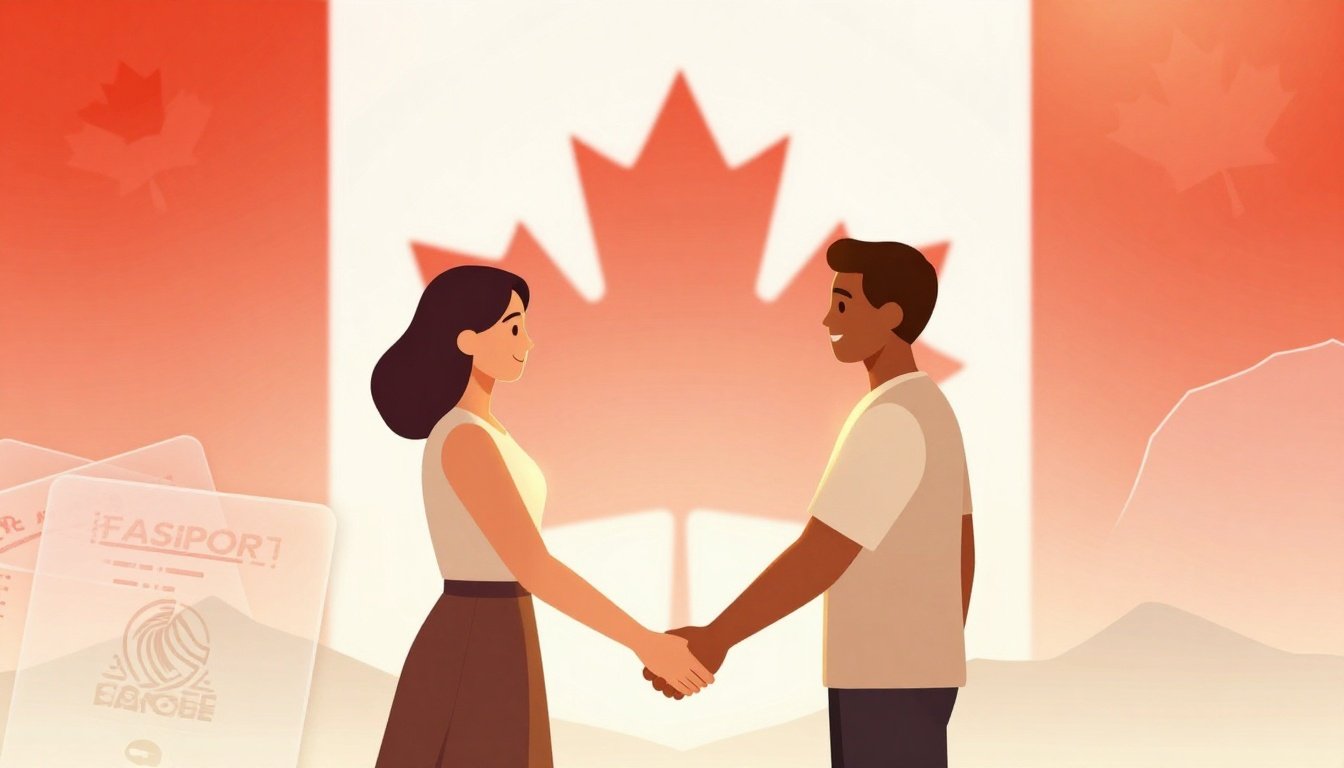
EnuImagine living with your partner for over a year, sharing a home and life together, but facing barriers to one of you staying in Canada forever. Canada permanent resident common law sponsorship changes that. It lets a Canadian citizen or permanent resident bring their common-law partner to live permanently in Canada.
In this guide, you’ll find full eligibility rules, a step-by-step application process, required proofs, current fees and times, pros and cons, mistakes to avoid, and tips for success. Whether you apply inland or outland, these details help you move forward confidently. Always check the official IRCC website for the latest rules, as they can change.
Quick Answer (Read This First)
- Yes, you can get Canada permanent resident common law status if you’ve cohabited continuously for 12 months in a marriage-like relationship.
- Sponsor must be a Canadian citizen or PR, live in Canada, and commit to financial support for 3 years.
- Fees total $1,205 CAD (sponsorship $85 + processing $545 + RPRF $575); add $85 biometrics per person.
- Inland processing: 12-28 months (partner in Canada, open work permit possible).
- Outland processing: 5-12 months (faster often, partner outside Canada).
- Strong proofs needed: joint leases, bills, photos, affidavits.
- Dependent kids can join if under 22 and supported.
- Quebec has extra steps; check provincial rules.
What Is Canada Permanent Resident Common Law Sponsorship and What Does It Do?
Canada permanent resident common law sponsorship is an official IRCC program. A Canadian citizen or permanent resident sponsors their common-law partner for permanent residency. Common-law means you’ve lived together full-time for at least 12 continuous months, like spouses, with no long separations.
The program unites families. It grants the partner PR status, opening doors to work, study, and a path to citizenship. Sponsors promise financial support, covering basics like food and shelter for 3 years, even if the relationship ends.
You choose inland (both in Canada) or outland (partner abroad). Inland lets the partner stay and work during processing. Outland might process quicker but risks travel issues.
Key Features of Canada Permanent Resident Common Law Sponsorship
- 12-month cohabitation proof: Show continuous living together via leases, utilities, or bank statements.
- Sponsor financial undertaking: 3-year commitment; no minimum income required for spouses.
- Inland open work permit: Partner can work legally while waiting in Canada.
- Outland faster processing: Often 5-12 months; partner can visit but not guaranteed entry.
- Medical and police checks: Required for partner and kids; clears health and criminal issues.
- Dependent children allowed: Under 22, financially dependent; extra fees apply.
- Quebec certificate needed: Sponsors in Quebec get a provincial approval first.
Step-by-Step: How to Apply for Canada Permanent Resident Common Law Sponsorship
- Confirm eligibility: Sponsor meets age, residency, and no-bar rules; partner proves 12-month common-law union.
- Gather relationship proofs: Collect joint bills, leases, photos (dated), travel records, affidavits from friends.
- Fill forms: Complete IMM 1344 (sponsorship), IMM 0008 (generic), IMM 5669 (background), and statutory common-law declaration.
- Pay fees: Submit $1,205 online (or $630 upfront, RPRF later); biometrics $85 extra.
- Submit application: Upload via IRCC secure portal; inland or outland stream.
- Give biometrics: Book appointment at Visa Application Centre within 30 days.
- Complete medical exam: Use IRCC panel physician; results sent directly.
- Wait for decision: Respond to any requests; attend interview if needed.
Before you submit checklist:
- Ensure inland applicant has valid status in Canada.
- Scan all docs clearly; translate non-English/French.
- Get police certificates from countries lived 6+ months.
- No recent criminal convictions.
Fees, Processing Times, and What They Really Mean
Fees total $1,205 CAD for sponsor plus principal applicant: $85 sponsorship, $545 principal processing, $575 Right of Permanent Residence Fee (RPRF, paid upfront or later). Add $85 biometrics per person; dependents $175 each. Quebec adds provincial fees. No refunds if refused.
Processing varies. Outland often takes 5-12 months; inland 12-28 months as of 2026 estimates. Check IRCC’s updated times. Example: A couple pays $1,290 total ($1,205 + biometrics), waits 6 months outland, gets PR.
Pros and Cons
| Pros | Cons |
|---|---|
| Keeps family together quickly | Needs strong common law partner proof |
| Inland work permit available | Inland waits longer (12-28 months) |
| Path to citizenship | Sponsor liable for 3 years support |
| Includes dependent kids | Risk of refusal on weak evidence |
| No income minimum for sponsor | Quebec extra paperwork |
| Flexible inland/outland options | Medical/police checks required |
Common Mistakes (and How to Avoid Them)
- Weak relationship proofs: Collect 2+ years of joint docs; include timeline letter.
- Incomplete forms: Download latest from IRCC; double-check with guide.
- Missing police certificates: Get from every country lived 6+ months; renew if old.
- No financial proof: Show sponsor’s income/tax returns even without cutoff.
- Inland invalid status: Renew visitor/work permit before applying.
- Forgetting biometrics: Book early; track instructions email.
- Outland travel risks: Apply visitor visa separately if needed.
- Quebec oversight: Get CSQ first for province residents.
- Late updates: Notify IRCC of address/relationship changes immediately.
Is Canada Permanent Resident Common Law Sponsorship Legit and Safe?
This program runs directly through IRCC, Canada’s government agency. It’s fully legit and secure when you apply via official channels. No middlemen needed.
Avoid scams by using only authorized RCICs or lawyers from the College of Immigration and Citizenship Consultants. Check reps on IRCC’s site; never pay upfront fees to agents. Direct applications stay safe.
Tips to Get Your Canada Permanent Resident Common Law Application Approved
- Build a clear relationship timeline from first meeting to now.
- Get 3-5 affidavits from friends/family confirming cohabitation.
- Apply outland if partner abroad for faster times.
- Keep inland status valid; apply for open work permit extension.
- Consult RCIC early for personalized review.
- Include diverse proofs: photos, trips, insurance naming partner.
- Translate all docs; use certified translators.
- Respond to IRCC requests within deadlines.
- Update any changes like address or job loss right away.
- Prepare for interview: practice genuine answers.
FAQs
What proofs work for common-law?
Joint lease/bills for 12+ months, photos, bank statements, affidavits, wills.
Inland vs outland difference?
Inland: Stay/work in Canada during wait, longer process. Outland: Faster, but partner outside.
Can sponsor live abroad?
No, must reside in Canada (citizens can sponsor from abroad if intend return).
2026 processing time?
Outland 5-12 months; inland 12-28.
Are fees refundable?
No, except overpayments; RPRF refunded if refused.
Can kids be included?
Yes, under 22 and dependent; extra forms/fees.
Work permit while waiting?
Inland yes (open permit); outland apply separately.
Quebec rules?
Need provincial eligibility certificate first.
Canada permanent resident common law sponsorship offers a solid path to PR for genuine partners. Follow eligibility, gather strong proofs, and pick inland or outland wisely. Fees hit $1,205 plus extras, with waits up to 28 months inland.
Gather your documents now, verify on IRCC site, and consider RCIC help. Start your application today for a shared future in Canada.


 Enu
Enu