 Enu
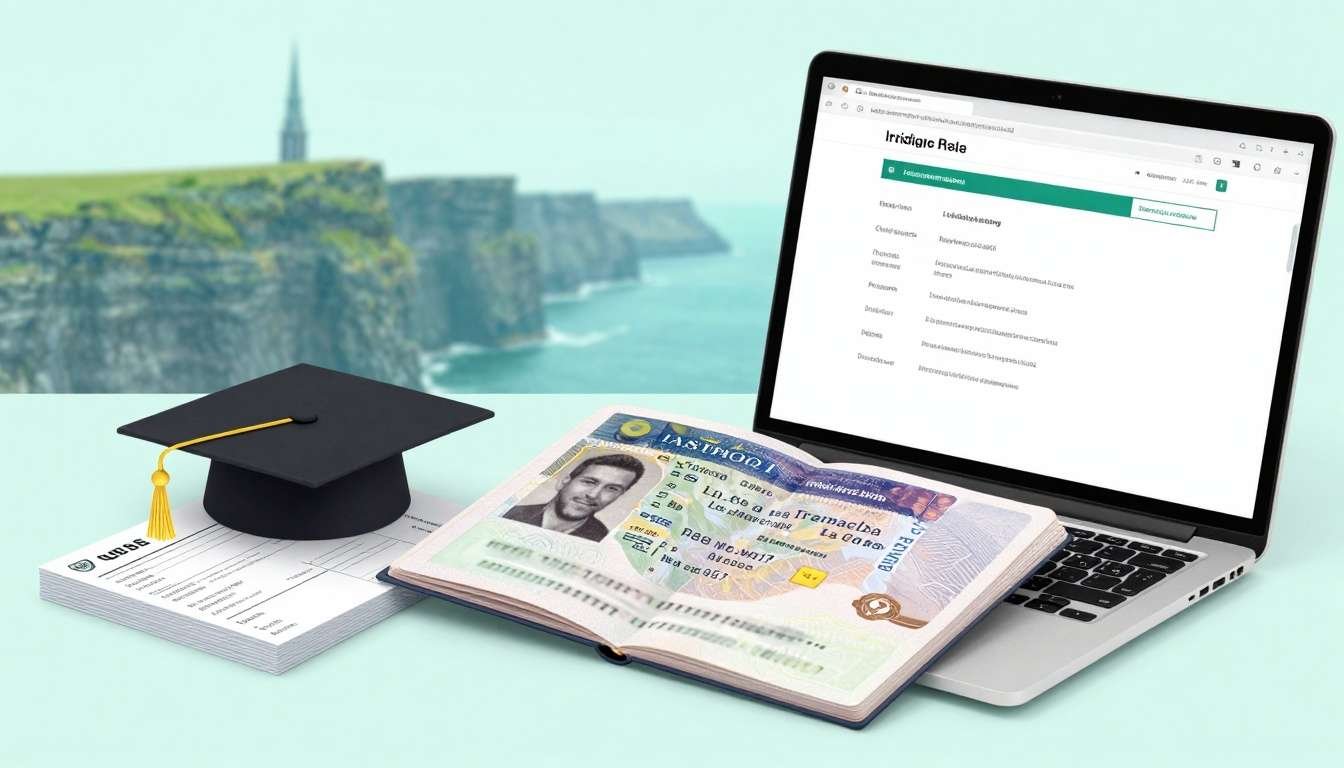
EnuPlanning an Ireland student visa for 2026 means getting three things right early: your course must be on ILEP, your finances must match the official rules, and your documents must tell one clear story.
This listicle walks through the Ireland student visa process in a practical order, from choosing an ILEP programme to submitting AVATS and reducing refusal risks. Always confirm prices and policies on the official site.
Quick Answer (Read This First)
- Most long courses use a Long Stay D visa route, and you typically register in Ireland as a student under Stamp 2 rules after arrival.
- Your course must be on the Interim List of Eligible Programmes (ILEP), otherwise refusal is likely.
- Proof of funds usually means showing living costs funds plus tuition paid, with clear, traceable bank history.
- You apply online first using AVATS, then submit your documents through the local visa process.
- Processing times vary, so applying about 3 months before travel is commonly recommended in guidance.
- The most common refusal themes are weak financial evidence, unclear study intent, and missing or mismatched documents.
1) Ireland Student Visa (2026) Basics: D Visa vs C Visa, and Stamp 2
For most full-time courses longer than 90 days, the Ireland student visa route is the Long Stay D visa. A short course (under 90 days) is generally a Short Stay C visa, which doesn’t fit most full academic plans.
The visa sticker is only one part of the journey. Many students also need to register after arrival for ongoing permission to stay as a student (commonly associated with Stamp 2 conditions). Your course length and type drive what you can apply for and how long you can remain.
2) 2026 Updates: What Usually Changes (and What Often Doesn’t)
For 2026, the safest assumption is that the core rules remain familiar: ILEP eligibility, AVATS submission, fee receipts, and financial evidence that matches published guidance. Small updates can still happen, like revised document wording or extra checks for certain regions and intakes.
To keep your Ireland student visa plan accurate, anchor your preparation to official guidance and re-check it right before you submit. Start with the government student help pages such as the official student visa FAQs.
3) Eligibility Rules That Decide Approval or Refusal
An Ireland student visa application stands or falls on eligibility. The biggest gate is course eligibility: a full-time course listed on ILEP, backed by an acceptance letter that’s unconditional (not “pending documents” or “pending payment” unless the school later issues an unconditional version).
Other common eligibility checks include a consistent education history, credible English ability when required, and a clean immigration record. If your course choice, personal statement, and finances point in different directions, refusals become more likely.
4) ILEP Schools Explained: What ILEP Is and Why It Matters
ILEP is the government’s list of eligible programmes for student immigration purposes. It’s designed to filter for approved programmes and providers for non-EEA students, including English-language options and higher education routes.
For Ireland student visa planning, think of ILEP as a hard requirement, not a nice-to-have. If the programme you pick isn’t on ILEP at the time you apply, your application can fail even if everything else looks strong.
5) Choosing the Right ILEP Programme: A Practical Selection Checklist (10 Factors)
Choosing an ILEP programme is more than picking a city. Your choice needs to be easy to explain and easy to document.
Use these 10 factors to compare options in a way that supports your Ireland student visa file:
- ILEP listing status (confirm it’s currently eligible)
- Course level and outcome (degree, pathway, English programme)
- Start date that fits your timeline and document readiness
- Total fee and payment schedule (deposit vs larger upfront payment)
- Refund and deferral rules (important if plans change)
- Attendance expectations and monitoring (ties to visa compliance)
- Accommodation support (school guidance vs third-party)
- Realistic weekly workload for your background
- Progression routes (if you plan to move from English to higher education)
- Document quality (how clear the offer letter and receipts are)
Your goal is to pick a programme that your academic history naturally supports, because that same logic is what the visa officer will look for.
6) Step-by-Step Ireland Student Visa Application (AVATS) for 2026
Most applicants start the Ireland student visa process online and then complete local submission steps. Keep the flow simple and consistent.
- Pick an ILEP course and apply to the school
- Receive an offer, meet conditions, then secure an unconditional acceptance letter
- Pay the required tuition amount and keep the receipt(s)
- Prepare proof of funds that matches the official thresholds for your course length
- Get medical insurance documents covering the full period required
- Complete the AVATS application accurately, then print or save the summary
- Submit biometrics and documents through the instructed local channel
- Track your application and respond quickly if more documents are requested
Before you pay (mini checklist):
- Your course is confirmed on ILEP
- Your acceptance letter states course dates, fees, and conditions clearly
- Your name, passport number, and dates match across documents
- Your financial statements show stable, explainable funds
7) Proof of Funds (2026): The Numbers, the Documents, and the “28-Day” Trap
Proof of funds is where many Ireland student visa applications get stuck. The typical model in public guidance is: show tuition paid (often at least a set minimum payment) plus living costs funds, commonly referenced as €10,000 for longer courses (separate from tuition).
Financial evidence should be easy to audit. That usually means multi-month statements from a real bank account, clear account ownership, and a clean explanation for any large deposits. Many refusals happen when the balance looks “parked” right before applying, or when funds can’t be linked to the applicant or sponsor.
For the most direct wording on what qualifies, use the government guidance on student finances, such as official student finances information.
8) Proof of Funds Mistakes That Trigger Refusals (7 Pitfalls)
A strong bank balance isn’t enough if the paperwork creates doubt. These are recurring issues that weaken an Ireland student visa file:
- Funds in a name that isn’t clearly connected (no relationship proof)
- Statements that don’t cover enough history, or look edited
- Sudden large deposits with no source explanation
- Tuition receipts missing key details (student name, course, dates)
- Currency conversions that don’t match what statements show
- Sponsor support without sponsor income evidence and relationship proof
- Documents that contradict each other (dates, course title, fee total)
This is why students often treat proof of funds as a “story pack,” not a single statement.
9) How to Avoid Ireland Student Visa Refusals: 12 Practical Rules
Avoiding refusal is mostly about clarity and consistency. These rules help your Ireland student visa file read as credible:
- Use an ILEP-listed programme only
- Submit an unconditional acceptance letter, not a conditional one
- Pay the required tuition amount and keep clean receipts
- Show living-cost funds separately from tuition, as required
- Keep your education timeline consistent, explain gaps with evidence
- Write a study plan that matches your academic and career direction
- Use medical insurance that meets the expected coverage requirements
- Keep passport validity strong for your intended stay
- Translate documents professionally when needed and keep originals
- Make AVATS entries match your supporting documents exactly
- Show sponsor ties clearly, relationship, income, and ability to fund
- Answer follow-up requests fast and in the same format the office asks for
Refusal risk often rises when the application looks rushed, or when documents were collected without a single checklist.
10) Final Document Checklist, Fees, and Timelines (What to Prepare)
A complete Ireland student visa file usually includes identity, education, course, finances, intent, and insurance. Build your checklist early so you can replace weak items before submission.
A practical checklist to assemble:
- Passport and copies of previous visas (if any)
- Passport photos that meet the required format
- Unconditional acceptance letter (ILEP course details, dates, fees)
- Tuition payment receipt(s)
- Proof of funds statements and sponsor documents (if applicable)
- Education transcripts and certificates
- English test evidence if required by the course
- Personal statement explaining the study plan and return logic
- Medical insurance policy and coverage confirmation
- Accommodation details (if available at submission time)
- Any police clearance or declarations requested for your route
Fees and timing vary by country and application channel. Many applicants plan around several weeks of processing time, longer during peak intake seasons, and budget for registration after arrival if required.
Conclusion
An Ireland student visa for 2026 is easiest to manage when the basics are locked early: ILEP course choice, clear acceptance paperwork, and proof of funds that’s traceable and well explained. Those three pillars reduce confusion and refusal risk.
Use the numbered steps to keep your application consistent from AVATS through submission, and re-check official requirements right before you apply. This is the simplest way to keep an Ireland student visa application clean, credible, and complete.


 Enu
Enu