 Enu
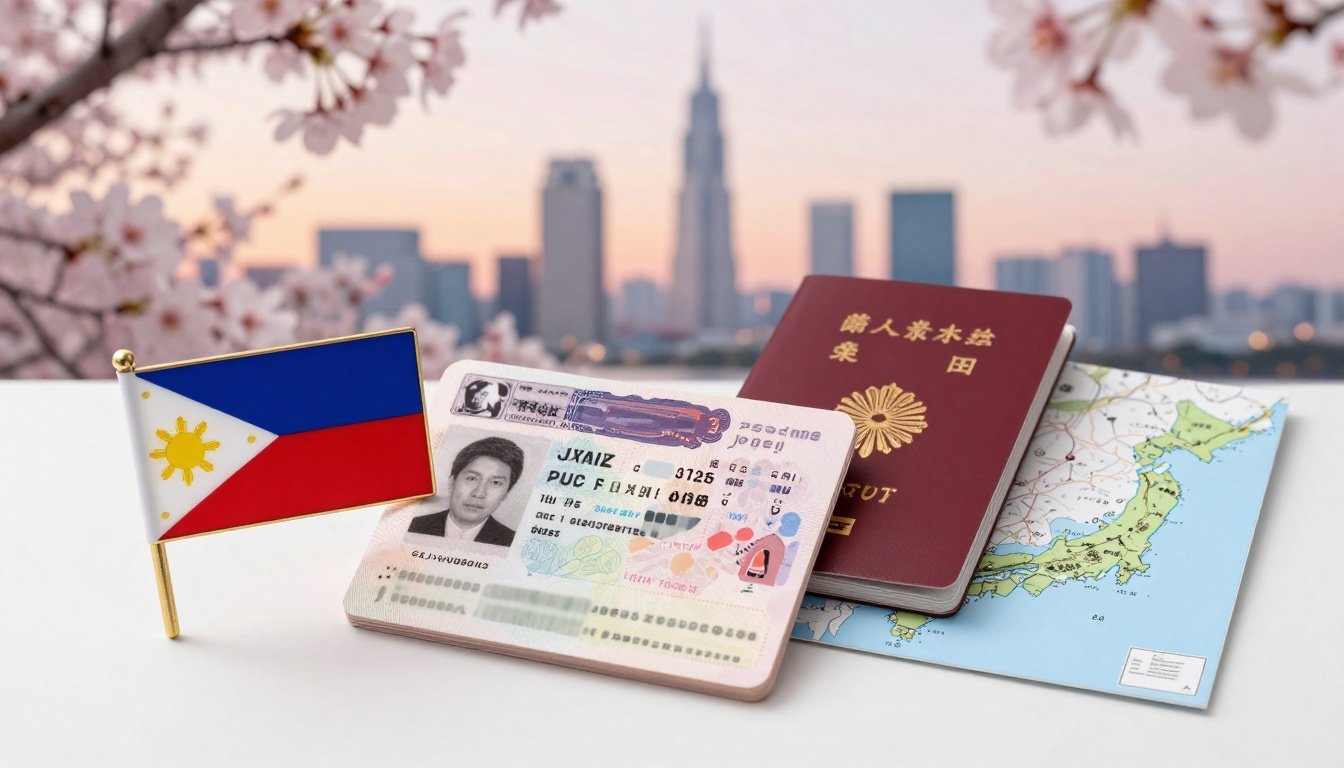
EnuPlanning japan visa renewal philippines can feel confusing because “renewal” isn’t a separate visa category for most short-term trips. In practice, many applicants are simply applying again, while adding proof of previous Japan travel and past visas.
This listicle breaks down what usually changes on a renewal, what stays the same, and how to submit through the current channels. Always confirm prices and policies on the official site.
Quick Answer (Read This First)
- “Renewal” usually means reapplying, especially for short-term visitor visas.
- Copy your old Japan visas and include them with your new application.
- Use the latest form and photo size (commonly 45 mm x 35 mm, per official guidance).
- You’ll apply via the Visa Center/agency route, not by walking in and expecting same-day service.
- The visa fee may be free, but agencies and service centers can charge processing fees.
- Processing times vary, so apply well ahead of your travel dates.
- Requirements shift by purpose, tourism, family visit, business, and other categories differ.
- If you’re renewing a Japan residence status, that’s handled in Japan, not in the Philippines.
What Is Japan’s “Visa Center” (VFS Global) and What Does It Do?
For many applicants, japan visa renewal philippines now runs through a service workflow that uses a visa application center model. This is where VFS Global comes in.
VFS Global is a service provider that collects applications, checks basic completeness, and returns passports once a decision is made. It’s not the same as the Embassy deciding your case.
This setup matters because it changes how you book, submit, and track. It also affects what “fees” really mean, because you might pay a service charge even if the visa itself has no consular fee.
For official entry points and updates, rely on the Japan visa services page in the Philippines and the Japan visa center information.
Key Features of japan visa renewal philippines
- Same core documents as a fresh application, with extra emphasis on prior travel history.
- Old Japan visa copies are a practical advantage, since they show consistent past use.
- Purpose-driven requirements, tourism vs visiting relatives vs business changes the packet.
- Standardized photo and form rules, small errors can slow down acceptance.
- Service-center submission and tracking, most applicants follow this route now.
- Timing rules, some channels may discourage submission if you need your passport too soon.
- No guarantee of multiple-entry, even with past Japan visas.
Step-by-Step: How to Use the Japan Visa Center (VFS Global) for Renewal
- Pick the right visa type based on your trip (tourism, visiting relatives, business).
- Download and complete the latest application form, then sign it.
- Prepare your passport and copies, including data page and any previous Japan visas.
- Build your financial file, bank certificate and supporting bank statements (typical).
- Add employment or business proof, like COE, payslips, or business registration and taxes.
- Submit through the Visa Center or accredited agency, based on the current process in your area.
- Track your application status using the reference details provided at submission.
- Receive your passport, then check the visa sticker details before booking final plans.
Before you pay (mini checklist):
- Confirm photo size and background rules.
- Confirm where you’re allowed to submit, some routes require appointments.
- Confirm service charges and acceptable payment methods.
- Confirm document format, many centers prefer A4 and clear photocopies.
For a step-by-step intake overview, compare with the VFS apply-visa guide.
1. Confirm what “renewal” means for your visa type
For short stays, japan visa renewal philippines typically works like a new application, not an extension of the old sticker. The “renewal” part is mostly about showing prior Japan travel and clean compliance.
For long-term residents (work, spouse, student residence in Japan), renewal is handled inside Japan with immigration procedures, not at the Japan Embassy in Manila. Mixing these two paths is a common source of wrong paperwork.
2. Gather the “renewal-ready” document set
Start with the basics: valid passport, application form, and photo. Add copies of previous Japan visas, since this is one of the most practical differences between first-time and renewal packets.
If you previously traveled as a tourist, you may not need to re-submit certain civil documents every time, but relationship proof can still matter for family visits. Treat it as purpose-based, not “renewal-based.”
3. Prepare financial and employment proof that matches your story
Financial documents should look consistent with your timeline and travel plan. A bank certificate issued recently, supported by statements, often reads stronger than a single snapshot document.
Employment proof should be simple and clean. A certificate of employment plus recent payslips usually answers the “stable work and return ties” question without extra pages.
If you’re self-employed, clear business registration and tax documents help align your income claim with your cash flow.
Pricing, Fees, and What “Cheap” Really Means
When people search japan visa renewal philippines, “cheap” often means the total out-of-pocket cost, not just the visa.
Total cost can include: photo printing, photocopies, transport to the center, and the service fee charged by the agency or visa center. Some visas have no consular fee, but third-party processing fees can still apply.
Example calculation (illustrative only): if you spend PHP 300 for photos and printing, PHP 200 for transport, and PHP 1,200 for a service fee, your “renewal” total could land around PHP 1,700 even if the visa itself has no fee.
Pros and Cons
| Item | Pros | Cons | Best for |
|---|---|---|---|
| Reapplying with old Japan visas | Shows travel history and consistency | Still not a guarantee | Repeat visitors |
| Visa center or agency intake | Clear submission process | Added service fees | Busy applicants |
| Multiple-entry request | Fewer applications later | Higher scrutiny | Frequent travelers |
| DIY preparation | Full control of documents | Easy to miss small format rules | Detail-oriented applicants |
| Family-visit paperwork | Strong purpose and ties | More civil docs needed | Visiting relatives |
Common Mistakes (and How to Avoid Them)
- Using the wrong photo size, fix it by confirming the latest specs before printing.
- Leaving blanks on the form, use “N/A” where appropriate.
- Submitting bank proof that doesn’t match the itinerary, keep dates and amounts realistic.
- Forgetting old visa copies, include photocopies of prior Japan visas and entry stamps if available.
- Inconsistent job details, keep your COE, form entries, and bank narrative aligned.
- Requesting multiple-entry with weak justification, attach a short request letter with clear reasons.
- Buying non-refundable bookings too early, prioritize flexible reservations until the visa is issued.
- Waiting until peak season, submit earlier when possible.
Is japan visa renewal philippines Legit and Safe?
japan visa renewal philippines is legit when you use official channels and documented service providers. The safe approach is checking who collects your passport, where it’s stored, and how status updates are sent.
Look for clear support channels, official receipts, and a traceable application reference number. Also verify refund and cancellation rules for service fees, since those can differ from the visa decision itself.
For official policy framing, use the Ministry of Foreign Affairs Japan visa page, then follow the Philippines-specific instructions.
Tips to Get Better Deals
- Bundle printing in one shop visit to cut repeated trips.
- Bring a ready A4 file, so you don’t pay extra for reformatting.
- Apply earlier to avoid rush transport and premium photo fees.
- Choose refundable flights and hotels until your visa is issued.
- Reuse a clean digital copy set of your standard docs, then update dates.
- Keep your bank certificate timing tight, don’t order it too early.
- Avoid “express” upsells that don’t change embassy processing times.
- Submit a clear itinerary that matches your budget.
- If requesting multiple-entry, keep your justification short and factual.
- Use one channel only, don’t double-submit through different agencies.
FAQs
Can I renew my Japan visa online in the Philippines?
Most applicants still submit documents through a visa center or agency process, not a full online renewal.
Is renewal easier than a first-time Japan visa?
It can be simpler if your prior Japan travel was compliant, but the decision still depends on your current documents.
Do I need my old Japan visa copies?
For japan visa renewal philippines, old visa copies are commonly expected and help show travel history.
How long does processing take?
Timelines vary by season and volume. Apply with enough buffer time for delays.
Should I apply for multiple-entry on renewal?
Multiple-entry can be useful for frequent travel, but it can also raise scrutiny. Your documents should support the request.
What if my passport expires soon?
A short passport validity can limit visa issuance or complicate submission. Many processes expect a passport with enough remaining validity.
Do agencies guarantee approval?
No. Agencies and visa centers help with submission and completeness checks, but they don’t control decisions.
Do I need travel insurance?
Some travelers include it to strengthen trip planning, but requirements depend on the visa category and current rules.
Conclusion
japan visa renewal philippines is best understood as a re-application that highlights your previous Japan visas, consistent purpose, and solid proof of funds and ties. The main win is clarity, when your packet tells one clean story, it’s easier to assess.
Pick the correct visa type, submit through the proper channel, and keep your documents consistent from form to bank proof. Always confirm prices and policies on the official site.


 Enu
Enu