 Enu
EnuJapan draws workers from abroad with its stable economy and unique culture. If you’re eyeing jobs in Japan work visa application process, you’ll find opportunities in tech, teaching, and more. This guide breaks down the steps, requirements, and tips to land a role with sponsorship.
Expect a process that starts with a job offer. Companies handle much of the paperwork. Success rates climb when you match skills to shortages like IT or hospitality.
Quick Overview of Japan’s Work Visa Landscape
Japan tightened rules in 2025 but still needs foreign talent. Labor shortages push firms to sponsor visas. Key is securing a sponsor first.
Popular visas include Specified Skilled Worker for blue-collar roles and Engineer/Specialist in Humanities for office jobs. Processing now averages three months for the Certificate of Eligibility alone.
Types of Work Visas for Foreigners
Japan offers targeted visas based on your skills. Pick the right one to match your job.
Specified Skills Visa suits industries like nursing or construction. You need a skills test score over 70 points. It lasts up to five years with paths to residency.
Highly Skilled Professional Visa fast-tracks experts in tech or research. Points-based system rewards education and experience. Holders qualify for permanent residency quicker.
Engineer/Specialist in Humanities/International Services Visa covers IT developers, translators, and marketers. No degree required if you prove 10 years’ experience.
Business Manager suits entrepreneurs with hefty investments. New 2025 rules demand ¥30 million and local hires.
Digital Nomad Visa lets remote workers stay six months. Earn ¥10 million yearly from outside Japan.
Check the Ministry of Foreign Affairs site for full details.
Popular Jobs with Visa Sponsorship in 2026
Demand surges in tech and education. Firms sponsor to fill gaps.
Tech roles top lists: software engineers at PayPay or Money Forward pay ¥5-25 million. Many skip Japanese requirements.
English teaching as ALT in schools offers steady work. Full-time spots in Aichi start visas immediately.
Hospitality needs front desk staff and managers. Bilingual customer support for French or English speakers pops up in Tokyo.
Animation and game development hire creatives. Studios like lowiro seek global talent.
Sites like GaijinPot Jobs list fresh openings. Filter for sponsorship.
Step-by-Step Work Visa Application Process
Start with a job. No offer means no visa.
Step 1: Find and Secure a Job Offer. Use Japan Dev or Indeed. Confirm sponsorship in writing.
Step 2: Employer Applies for Certificate of Eligibility (COE). Sponsor submits to immigration. Takes 1-3 months. Valid three months.
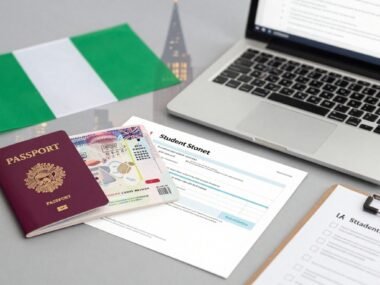
Step 3: Gather Documents. Passport, photos, application form, COE, resume, diplomas.
Step 4: Apply at Embassy/Consulate. Mail or visit in your country. VFS Global handles some spots.
Step 5: Attend Interview if Needed. Answer on job and plans.
Step 6: Receive Visa. Stamp arrives in 5-10 days post-COE.
Before submitting, verify sponsor’s legitimacy. Check reviews and contracts.
Eligibility Requirements You Must Meet
Basics apply to all: valid passport, clean record, health check.
Job-specific rules vary. Tech needs bachelor’s or experience. Specified Skills demands Japanese test (JLPT N4).
Age limits hit working holiday (18-30). Digital nomad requires high income proof.
Sponsors prove financial stability. They cover your setup often.
Finding Sponsorship Jobs Effectively
Job boards shine. Japan Dev focuses on remote-friendly tech with relocation.
GaijinPot and Daijob update daily. Tailor resumes to no-Japanese filters.
Network on LinkedIn. Attend virtual fairs. JLPT certification boosts odds.
Agencies like those on VisaHQ speed checks.
Processing Times and Costs in 2026
COE: 1-3 months. Visa: 5 working days standard.
Fees: ¥3,000-6,000 yen per application. Sponsors pay COE (¥4,000).
Delays hit if docs lack. Rush options rare.
Common Challenges and Fixes
Paperwork overwhelms. Solution: List everything twice.
Language barriers slow interviews. Practice basic Japanese.
Rejections from weak offers. Target big firms.
Visa denial post-COE possible. Appeal or reapply.
Overstay risks deportation. Track dates strictly.
Pros and Cons of Pursuing Japan Jobs
| Aspect | Pros | Cons |
|---|---|---|
| Jobs | High demand, good pay | Competition fierce |
| Visa | Sponsorship common | Long waits |
| Life | Safe, efficient trains | High living costs |
| Culture | Rich experiences | Adjustment shock |
| Career | Global resume boost | Japanese fluency ideal |
Tips to Boost Your Application Success
Tailor resumes to job ads. Highlight skills matching shortages.
Learn basic Japanese early. N5 level impresses.
Build portfolio for tech/creative.
Negotiate relocation aid.
Apply early for April starts.
Use recruiters versed in visas.
Monitor policy changes monthly.
Is the Process Safe and Legit?
Yes, through official channels. Stick to embassies and licensed sponsors.
Scams promise jobs sans interviews. Verify via MOFA.
Reviews on GaijinPot confirm real placements.
FAQs on Jobs in Japan Work Visa Application Process
How long does the full process take?
3-6 months total.
Do I need a degree?
Often, but experience substitutes.
Can I switch visas later?
Yes, with immigration approval.
What if my COE expires?
Reapply through sponsor.
Are families included?
Dependent visas possible post-approval.
Remote jobs qualify?
Digital Nomad yes, others need local employer.
Conclusion
Mastering the jobs in Japan work visa application process opens doors to rewarding careers. Secure sponsorship, prep docs meticulously, and stay patient.
Start job hunting today. Your Tokyo adventure awaits. What’s your target role?

 Enu
Enu