 Enu
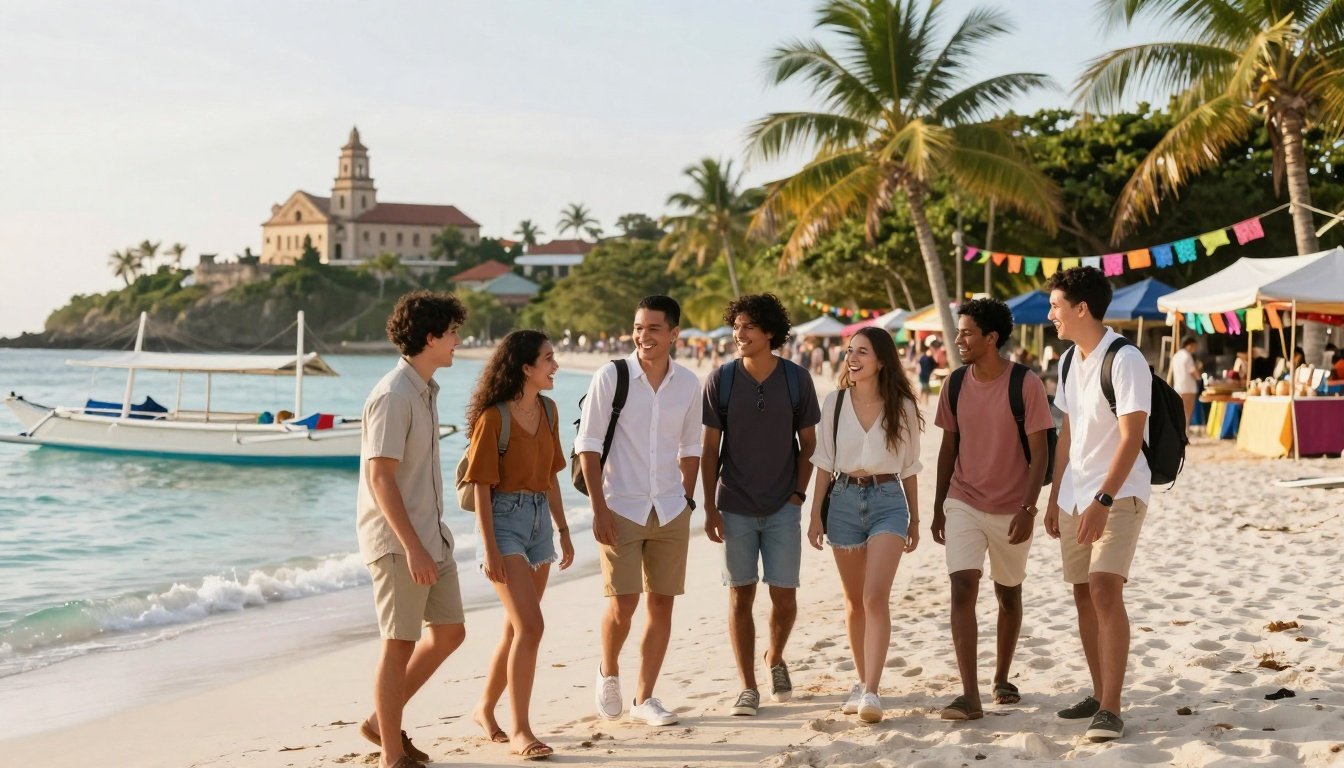
EnuImagine white sand beaches, vibrant festivals, and classes taught in English, all at a fraction of the cost of Europe or Australia. The Philippines draws students with its 7,000 islands, friendly locals, and mix of cultures from Spanish and American influences. A Philippines study abroad program offers adventure plus academics, from marine biology dives to TEFL teaching.
This guide covers top programs, application steps, real costs, pros and cons, and smart tips. You’ll see examples from sites like GoAbroad’s Philippines listings. Programs focus on language, culture, internships, and service learning. Always check official sites for the latest dates, fees, and requirements, as they change often. Whether you want a semester in Cebu or a summer in Manila, get ready for growth and memories.
Quick Answer: Is a Philippines Study Abroad Program Right for You?
- Affordable living: Monthly costs under $1,000, including dorms and street food.
- English everywhere: Classes and daily life use English, no language barrier.
- Varied options: TEFL certification, marine research, health internships, service learning.
- Visa basics: Tourist entry first, then Special Study Permit (SSP) or student visa with school help.
- Price range: $3,000-$10,000 total for 4-12 weeks, covering fees, housing, meals.
- Top providers: NRCSA, Projects Abroad, UC Berkeley partners, or IDP Education for guidance.
- Scholarships exist: Boren Awards, university aid, provider discounts up to $500.
- Best fit: Budget travelers seeking immersion and credits.
What Makes Philippines Study Abroad Programs Stand Out?
Philippines programs run through third-party providers or university partners. They emphasize hands-on learning in places like Cebu or Baguio. Expect English-taught courses on tropical ecology, public health, or Tagalog basics.
Low costs pair with island life. Students live in homestays or dorms, eat adobo and mangoes, and hop jeepneys. Field trips hit rice terraces or coral reefs.
Providers bundle support: airport pickup, 24/7 contacts, insurance options. Short trips last 2-8 weeks; semesters go longer.
Unique Benefits Like Cultural Immersion and Service Learning
Join community farms or turtle rescues, like Gateway programs. Urban visits build networks. Interactions teach resilience and gratitude, sparking personal shifts beyond textbooks.
Key Features of Top Philippines Study Abroad Programs
- English instruction in all core classes.
- Housing in homestays, dorms, or hotels.
- Durations from 2 weeks to one semester.
- Credit transfer to your home school.
- Visa and insurance assistance included.
- Excursions to beaches, volcanoes, markets.
- Hands-on work: medicine rotations, TEFL practice.
- Meals and transport often covered.
Step-by-Step: How to Apply for a Philippines Study Abroad Program
- Choose your focus: language, internship, or university exchange.
- Check eligibility: GPA 2.5+, age 18+, health clearance.
- Research providers on GoAbroad.
- Submit online app: essays, transcripts, fees.
- Get Notice of Acceptance (NOA) for visa.
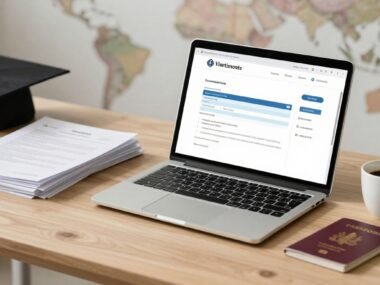
- Gather docs: passport, police clearance, medical cert.
- Apply for SSP or 9(f) student visa.
- Book flights, buy insurance, attend orientation.
Before you commit checklist:
- Read recent reviews.
- Confirm credit transfer.
- Budget $500 extra for fun.
- Verify weather fit.
Navigating Visas and Paperwork
Enter as tourist (30 days visa-free for many). Schools help with SSP ($100ish) for short stays. For degrees, NOA leads to 9(f) visa (2-4 weeks processing, $200+ fees). Show funds proof. Bureau of Immigration handles extensions.
Pricing for Philippines Study Abroad Programs: What to Expect
Program fees run $2,000-$8,000 for 4-12 weeks, including housing, meals, classes. Add flights ($1,000+ roundtrip), visa ($50-200), pocket money ($500/month).
Example: 4-week Cebu language package totals $3,800 (fees $2,500, air $900, extras $400). “All-in” covers most; extras hit souvenirs, nightlife.
Scholarships cut costs: home uni aid, Boren for languages, provider merit grants ($300-1,000). Language schools start at $700/month.
Pros and Cons of Philippines Study Abroad Programs
| Pros | Cons |
|---|---|
| Low costs beat Europe | Visa paperwork takes time |
| Full English use | Typhoons June-October |
| Beach paradise daily | Safety varies in remote spots |
| Deep cultural dives | Less party scene than Thailand |
| Easy credits transfer | Structured schedules limit free time |
Common Mistakes to Avoid in Philippines Study Abroad Programs
- Skip visa prep: Get NOA early; fix by listing docs now.
- Ignore weather: Avoid June typhoons; pick dry season.
- Underbudget flights: Shop sales; add $200 buffer.
- Forget credits: Confirm with advisor pre-pay.
- Wrong fit: Match skills to internships; quiz providers.
- No insurance: Buy travel policy; covers health/evac.
- Pack heavy: Light bags for islands; laundry cheap.
Is a Philippines Study Abroad Program Legit and Safe?
Yes, with vetted providers. Check reviews on GoAbroad or GoOverseas. Uni partners like Ateneo add trust. English aids chats; schools plan for islands. Get insurance for medical, theft. Stick to advised areas, use Grab rides.
Tips for the Best Philippines Study Abroad Experience
- Learn basic Tagalog greetings.
- Pack light, reef-safe sunscreen.
- Ride jeepneys for cheap thrills.
- Budget for halo-halo treats.
- Join group dives or hikes.
- Get hep A, typhoid shots.
- Use Globe SIM for data.
- Respect “bahala na” chill vibe.
- Volunteer extra for bonds.
- Journal nightly growth.
FAQs About Philippines Study Abroad Programs
How much does a Philippines study abroad program cost? $3,000-$10,000 total, varies by length.
Visa processing time? 2-4 weeks post-NOA.
Is English enough? Yes, primary in classes, cities.
Scholarships available? Yes, Boren, uni aid, provider deals.
Safe overall? Yes with precautions; schools guide.
Best time to go? November-May, dry season.
Credits transfer? Most do; confirm ahead.
Top for TEFL or internships? Projects Abroad, Roots Interns.
Ready for Your Philippines Study Abroad Adventure?
Philippines programs deliver value: cheap thrills, real skills, lifelong friends. From Cebu dives to Manila markets, they build confidence.
Browse GoAbroad listings, contact providers, apply for fall 2026 now. Book a consult today. Your island chapter starts here.


 Enu
Enu