 Enu
EnuPhilippines visa processing time depends on where you apply, which visa you need, and whether your case needs extra clearance in Manila. This guide breaks down realistic time ranges by visa path (tourist, work, student, immigrant, and extensions), plus the steps that usually slow things down.
Always confirm prices and policies on the official site.
Quick Answer (Read This First)
1. Quick Answer
- Tourist 9(a) applications filed through an embassy often take about 5 to 10 working days, but it can stretch longer if Manila approval is required.
- Some sources show single-entry tourist visas taking about 5 to 12 working days, with multiple-entry applications taking longer (example ranges can reach 15 to 21 working days).
- Visa-free entry isn’t the same as a visa approval, it’s permission to enter under a waiver, and extensions happen inside the Philippines.
- Extensions at the Bureau of Immigration (BI) don’t publish one fixed processing time, wait time depends on branch load and your case.
- Missing documents are the fastest way to add days or trigger requests for more proof.
- Nationality and prior travel history can increase screening time.
- Appointment availability can be a bigger delay than the actual processing.
- Don’t lock in non-refundable flights based on hope, many embassies won’t rush to match your travel date.
What Is eVisaPH and What Does It Do?
2. What It Is
eVisaPH is an online system where eligible foreign nationals can apply for a Philippine e-Visa without having a visa sticker placed in their passport. It’s designed for remote filing, uploads, and online status handling, so you don’t always need a consular counter visit.
It doesn’t replace every Philippines visa category. Eligibility still depends on nationality, travel purpose, and the current policy for your route.
If you’re comparing philippines visa processing time options, eVisaPH matters because it can reduce time spent on appointments, printing, and courier back-and-forth, even if the approval timeline still varies.
For the official explanation of what the e-Visa system is and who can use it, check the Philippine e-Visa FAQs.
Key Features of philippines visa processing time
3. Key Features
- Where you apply (embassy, consulate, or online platform) changes the practical timeline.
- Single-entry applications are often faster than multiple-entry ones.
- Some applications need DFA Manila clearance, which can extend the wait.
- Document completeness drives speed, missing items trigger follow-ups.
- Peak travel periods can slow appointment and review queues.
- Extensions inside the Philippines depend on BI office workload and your length of stay.
- Courier return time can add extra days even after approval.
Step-by-Step: How to Use eVisaPH
4. Step-by-Step
- Confirm you’re eligible for the Philippine e-Visa based on nationality and purpose of travel.
- Create an account and prepare clear scans of required documents (passport bio page, photo, and supporting proofs).
- Fill out the application carefully, matching passport details exactly.
- Upload documents in the requested format and size, then review every field before you submit.
- Pay the required fee using the available payment method.
- Track your status in your account and respond fast if they request more documents.
- Save the issued e-Visa confirmation and follow entry instructions for presentation at travel and arrival checkpoints.
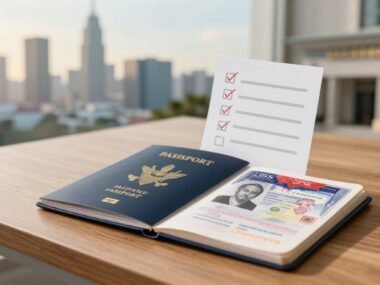
Before you pay, use this mini checklist:
- Passport validity is long enough for your trip window.
- Your name and passport number match across all forms.
- Supporting documents are current (bank proof, employment letter, or invitation as required).
- Your travel purpose matches the visa category you selected.
Pricing, Fees, and What “Cheap” Really Means
5. Costs That Shape Value
People searching philippines visa processing time often compare providers, but price ties directly to speed and friction. Even when a visa fee looks low, the total cost can rise once you add document prep and delivery.
The real total usually includes: visa fee, photo services, printing, courier fees (if you submit by mail), notarization or apostille (when requested), translations (if documents aren’t accepted in their original language), and travel insurance if it’s required for your route or personal plan.
Example calculation (example only): if a visa fee is X, and you add courier round-trip (Y), document notarization (Z), and new passport photos (A), your “cheap” application can cost X+Y+Z+A, and still take longer if one document is rejected.
Pros and Cons
6. Pros and Cons
| Topic | Pros | Cons |
|---|---|---|
| Embassy filing | Clear local instructions, direct accountability | Appointments and courier time can add days |
| eVisa filing | Remote submission, less paperwork handling | Not available for all nationalities or purposes |
| Single-entry | Often faster review | Less flexibility for repeat visits |
| Multiple-entry | More flexibility once issued | Often longer review window |
| BI extensions | Lets you stay longer without leaving | Wait times vary by office and season |
Common Mistakes (and How to Avoid Them)
7. Common Mistakes
- Submitting blurry scans, fix it by using high-resolution images and checking readability before upload.
- Choosing the wrong purpose of travel, fix it by matching your documents to the exact visa category.
- Inconsistent dates (work history, travel dates, hotel bookings), fix it by standardizing your timeline across all forms.
- Paying for non-refundable flights too early, fix it by waiting until a decision is issued.
- Missing financial proof or using outdated statements, fix it by providing recent, consistent records.
- Underestimating courier time, fix it by planning extra days after approval for delivery.
- Applying too close to travel, fix it by filing at least a month ahead when possible.
Is philippines visa processing time Legit and Safe?
8. Legitimacy and Safety Checks
“Legit and safe” comes down to where you file, who handles your passport, and what policies apply if your timeline changes. For embassy filing, the safest path is applying directly through the embassy or consulate instructions published on their official site. For eVisa, the safest path is using the official eVisa portal and keeping all receipts and status updates.
If you’re using a third party for help, verify who the ticket issuer is (if travel is bundled), confirm the real support channel, and read refund and cancellation terms. Many disputes come from unclear service scope, not the visa decision itself.
A practical reference for embassy-filed tourist visa timing is the Berlin embassy visa requirements page, which notes a processing range and warns that some cases need longer evaluation.
Tips to Get Better Deals
9. Better Deals Without More Risk
- File earlier so you don’t need rush handling or last-minute couriers.
- Choose single-entry when it matches your plan, multiple-entry can cost time and sometimes money.
- Use one clean set of documents, avoid “extra” files that create questions.
- Bundle document services (photos, printing) in one stop to avoid repeat visits.
- If mailing documents, pick trackable courier service and keep delivery proof.
- Avoid peak travel periods if you can, queues can affect philippines visa processing time even when rules don’t change.
- Keep a dedicated folder with scans, receipts, and submitted forms to prevent paid rework.
- For families, prepare a standard template pack (letters, proofs) so you don’t pay for multiple corrections.
- If you need extensions, plan BI visits on lower-traffic days and keep copies of past stamps and receipts.
- Don’t pay for “guaranteed approval” claims, nobody can promise that legally.
FAQs
10. FAQs
- What’s the normal philippines visa processing time for a tourist visa (9A)?
Many embassy sources cite around 5 to 10 working days for processing, with longer timelines possible when extra approval is needed. - Is single-entry faster than multiple-entry?
Often, yes. Some published ranges show single-entry moving faster than multiple-entry (examples can extend into the 15 to 21 working day range for multiple-entry). - Do visa-free visitors still deal with processing time?
Yes, but it shifts to extensions inside the Philippines. BI processing time isn’t fixed, it varies by office workload. - Can I extend from 30 days to 59 days quickly?
Many travelers do, but BI doesn’t publish one guaranteed timeline. Expect the real wait to depend on branch load and document checks. - Should I book flights before approval?
Many embassies warn against it. Non-refundable bookings can turn into losses if your processing runs long. - Are there refunds if my visa is denied?
Refund rules depend on the platform or office and the fee type. Check the official payment and fee policy where you apply. - Is applying online always faster?
Not always. Online can reduce appointment delays, but review and screening can still take time. - Do student and work visas have clear processing times?
Public timelines are often less consistent than tourist visas. These categories can involve added checks and approvals, so the range can be wider.
Conclusion
Philippines visa processing time is predictable in broad strokes and unpredictable in the details. The broad pattern is simple: tourist visas filed at embassies often follow a working-day range, multiple-entry and higher-scrutiny cases take longer, and BI extensions vary by office and season.
Use the same decision framework every time: pick the correct visa path, submit a complete file, and leave buffer days for appointments, screening, and passport return. Always confirm prices and policies on the official site.


 Enu
Enu