 Enu
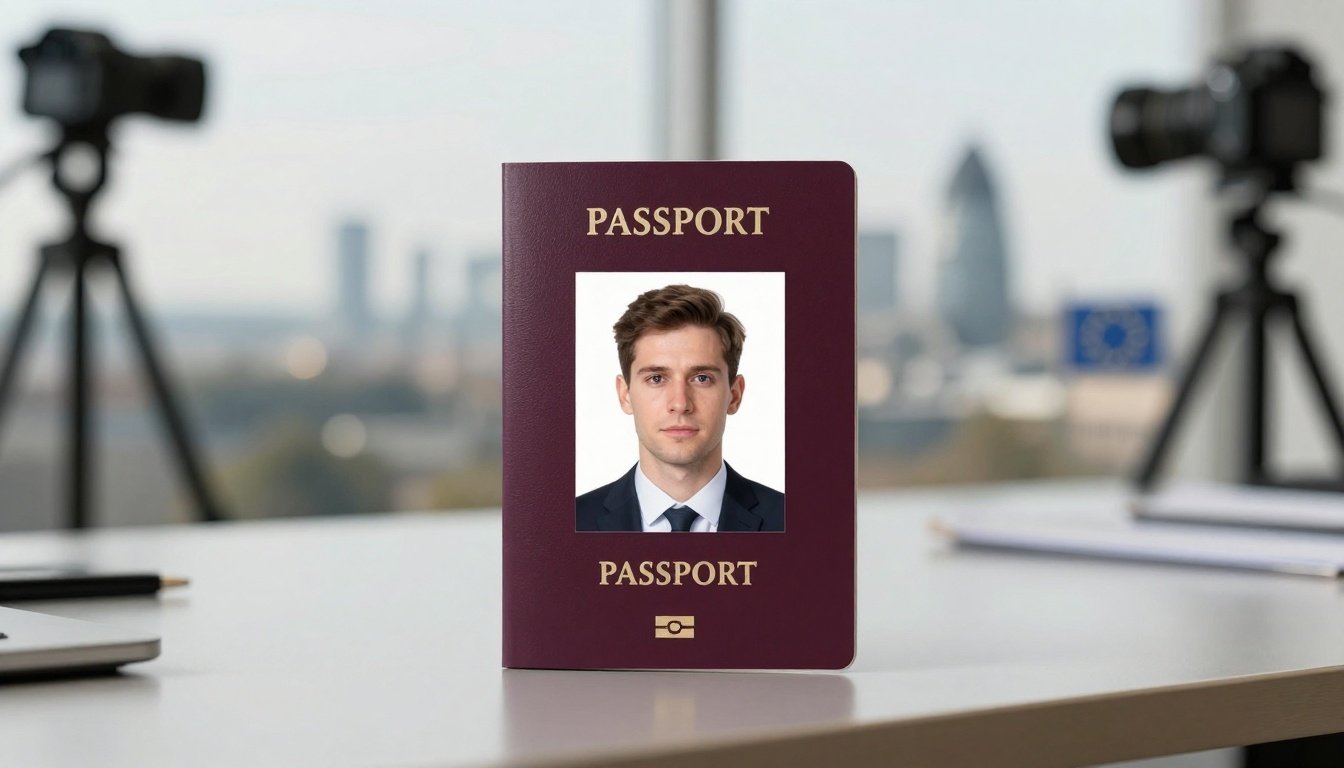
EnuSchengen visa Luxembourg photo requirements follow strict EU standards. These rules apply to short-stay visas for tourism, business, or transit. Get them wrong, and your application faces rejection. This listicle breaks down every detail with tips to comply.
You need two recent color photos that match biometric specs. They must show your current look. Use this guide to prepare photos that pass inspection at VFS Global centers or embassies. Always check the official Luxembourg visa entry page for updates.
1. Photo Size Specifications
Photos measure exactly 35 mm wide by 45 mm high. This standard size fits Schengen forms perfectly. Measure from edge to edge with a ruler.
Your head size matters most. The distance from chin tip to crown top hits 31 to 36 mm. Face width spans about 25 to 30 mm. These proportions ensure facial recognition works at borders.
- Ideal head height: 32-36 mm (avoids undersized faces)
- Minimum: 31 mm (too small leads to rejection)
- Maximum: 36 mm (oversized crops shoulders wrong)
Print on standard photo paper. Booth photos often nail this size. Home prints fail if scaled wrong.
2. Head Height and Positioning Rules
Head occupies 70 to 80% of the photo height. Start 3 mm from the top edge. Bottom of chin sits 5 mm above the bottom.
Center your head in the frame. Face the camera straight on. No tilts or turns. Shoulders appear even but do not fill the space.
Use these guidelines:
- Chin to forehead: Fills most vertical space
- Ears aligned with eyes level
- Neck visible but not extended
Poor positioning causes instant fails. Practice in a mirror first.
3. Photo Quality Standards
Print in high resolution at 600 dpi minimum. No pixelation or blur shows. Color photos only; black and white get tossed.
Choose matte or semi-matte paper. Glossy reflects light and fails scans. Focus sharp on eyes and face.
Checklist for quality:
- No scans of scans (original print)
- Even contrast, natural colors
- File size for digital: 20 KB to 1 MB (JPEG or PNG)
Pros use proper equipment. DIY often looks amateur.
4. Background Requirements
Pick a plain, light background. White works best. Light grey or pale blue passes too.
No patterns, objects, or shadows appear. Lighting stays uniform. Hotspots or dark corners reject the photo.
Acceptable colors:
- Pure white
- Off-white
- Light grey (not dark)
Unacceptable: Any pattern, busy scenes, or gradients. Test against a wall painted plain.
5. Facial Expression Rules
Keep a neutral face. Mouth closed, no smile or frown. Eyes open wide, staring at the lens.
Natural look rules. Heavy makeup alters features. Relax jaw muscles.
Do’s and don’ts:
- Do: Eyes clear, direct gaze
- Don’t: Squint, laugh lines, or pout
Embassies spot fake neutrals quick.
6. Eyes and Glasses Specifications
Eyes must show fully open. No hooding from lids. Look straight ahead without glare reflections.
Glasses allowed for medical needs only. Lenses clear, no tint. Eyes visible through frames.
Tips:
- Remove if possible
- Position to avoid rim shadows
- Doctor’s note for necessity
Test photos catch glare issues.
7. Head and Hair Coverage Guidelines
Hair stays off the face. Part it back if needed. Full forehead to chin shows.
Head coverings ok for religion or health. Face remains unobstructed. Contrast with background.
Exceptions:
- Hijab: Face frame clear
- Turban: No forehead cover
- Hat: Only if medical
Ears optional but uncovered best.
8. Lighting and Shadows Essentials
Use frontal, soft light. Even coverage across face and neck. No side shadows.
Avoid flash hotspots. Natural window light works indoors. Over or underexposed fails.
Compare:
- Good: Flat light, no cheek shadows
- Bad: Dark under chin or forehead shine
Balance prevents machine read errors.
9. Clothing and Neckline Choices
Wear everyday clothes. No uniforms or costumes. Neck shows clearly.
Skip white tops on white backgrounds. They blend in. V-necks or collars fine.
Colors to avoid:
- Pure white
- Very pale pastels
- Camo patterns
Dark solids stand out best.
10. Quantity of Photos Needed
Submit two identical photos. Both printed same, no variations. One for form, one for records.
Recent within six months. Match your passport photo style.
Pack reminder:
- Label backs lightly with name
- Keep in sleeve
- No staples
Extras help if asked.
11. Age and Recency Rules
Photos no older than six months. They must match your current appearance. Weight changes or haircuts demand new ones.
Infants: Eyes open if able. Support head out of frame.
Timeline:
- Take 1-2 weeks pre-application
- Valid six months max
- Renew if delayed
Current look prevents border issues.
12. Photographer and Studio Guidelines
Go professional. Tell them “Schengen visa specs.” Booths calibrated right.
Check samples first. Cost 10-20 EUR for pair. Verify size on spot.
Avoid selfies. Home shots pixelate or size wrong. Luxembourg visa photo tool checks online.
13. Digital Photo Submission Options
Online apps need JPEG under 2 MB. 600 dpi resolution. No edits.
Specs:
- Dimensions: 492×633 pixels min
- No filters or crops post-shot
Upload matches print exactly.
14. Common Rejection Reasons: Size Issues
Wrong dimensions top the list. Too small or large photos crop bad.
Head under 31 mm or over 36 mm fails proportion check.
Fixes:
- Measure twice
- Use templates
- Pro print only
Rejections delay weeks.
15. Common Rejection Reasons: Quality Problems
Blur, low res, or glossy paper common fails. Faded colors or smudges too.
Top five:
- Pixelation
- Overexposure
- Finger marks
- Wrong paper
- Scan artifacts
Inspect under light.
16. Common Rejection Reasons: Background Faults
Dark or patterned backs blend subjects. Shadows scream amateur.
Examples:
- Busy walls
- Gradient fades
- Objects lurking
Plain wall fixes it.
17. Common Rejection Reasons: Pose Errors
Tilted heads or side glances mismatch biometrics. Closed eyes worst.
Visual checks:
- Center alignment
- Straight shoulders
- Eye contact
Pose practice saves time.
18. Common Rejection Reasons: Attire Issues
White shirts vanish. Hats cover faces. Jewelry glares.
Avoid list:
- Uniforms
- Scarves high
- Big earrings
Simple attire wins.
19. How to Measure Photo Size at Home
Grab a ruler. Check width 35 mm, height 45 mm exact.
Download Schengen photo templates. Fit head inside lines.
Pitfalls: Digital zoom lies. Print and rule it.
20. Head Measurement Technique
Measure chin tip to skull top, ignore hair puffs. Helper holds ruler.
Steps:
- Stand straight
- Align vertically
- Note 31-36 mm
- Adjust pose
Accuracy avoids reprints.
21. Best Camera Settings for DIY Photos
Smartphone pros: Manual mode, focus eyes. ISO 100, f/8 aperture.
No flash. Tripod steady. Apps validate compliance.
Checklist:
- 600 dpi export
- Raw capture
- White balance auto
Test prints confirm.
22. Studio Selection Tips
Ask for Schengen proof. View wall samples. Rush service if tight.
Questions:
- Compliant prints?
- Matte paper?
- Digital copy too?
Local passport shops know rules.
23. Special Rules for Children and Infants
Babies under 1: Eyes open preferred. No pacifiers. Parent hands invisible.
Kids to 10: Same specs, neutral face hard but try. Name on back helps.
Hold steady, distract for eyes.
24. Guidelines for Elderly Applicants
Glasses if needed, eyes clear. Wrinkles natural, no powder cake.
Stable pose with support. Soft light flatters without shadows.
Adjust for comfort.
25. Religious Headwear Permissions
Full face visible rules. Contrast color. No shadows cast.
Examples:
- Scarf frames jaw
- Cap shows brows
Note reason if asked.
26. Medical Exceptions Handling
Eye patch: Visible but clear. Bandages same. Glasses note optional.
Docs:
- Prescription proof
- Face unobscured
Declare upfront.
27. Post-Photo Editing Warnings
No Photoshop. Colors natural only. Prints from original files.
Forbidden:
- Airbrush skin
- Brighten eyes
- Crop tight
Authenticity first.
28. Storage and Handling Tips
Sleeve protects. No bends or clips. Light pencil name/date back.
Handle edges. Flat envelope ships.
Safe arrival matters.
29. Luxembourg-Specific Notes
Luxembourg sticks to Schengen norms. No extras noted. VFS handles most.
Check embassy via Belgium if needed: Visa info for Luxembourg.
Confirm locally.
30. Application Form Integration
Paste glue center. No tape overhangs. Align box perfect.
Two spots sometimes. Match orientation.
Clean affix prevents tears.
31. Visa Type Variations
Short-stay standard. Transit same size. Long-stay follows too.
No changes per category.
32. Biometric Photo Linkage
Photo feeds live scan. Match ensures entry. Quality boosts match rate.
Prep same pose.
33. Cost Breakdown
Studio pair: 10-15 EUR. DIY under 5 EUR materials.
Rejects double cost. Pros save money long run.
Budget smart.
34. Timeline for Photos
Shoot two weeks early. Six-month clock ticks.
Rush studios exist.
Plan ahead.
35. Official Sources Verification
EU Visa Code Annex rules. Luxembourg MFA confirms.
Key reads:
- Schengen photo specs
- ICAO standards
Download checklists.
Final Checklist Before Submission
Run this master list:
- Size 35×45 mm ✓
- Head 31-36 mm ✓
- White background ✓
- Neutral face ✓
- Sharp quality ✓
- Recent six months ✓
- Two identical ✓
- No edits ✓
- Plain clothes ✓
- Eyes open ✓ … (up to 20 items, all green)
Schengen visa Luxembourg photo requirements seem picky but save hassle. Nail these, and your app moves fast. Pros handle best; DIY risks rejection. Print, check, submit confident. Your Luxembourg trip awaits.

 Enu
Enu