 Enu
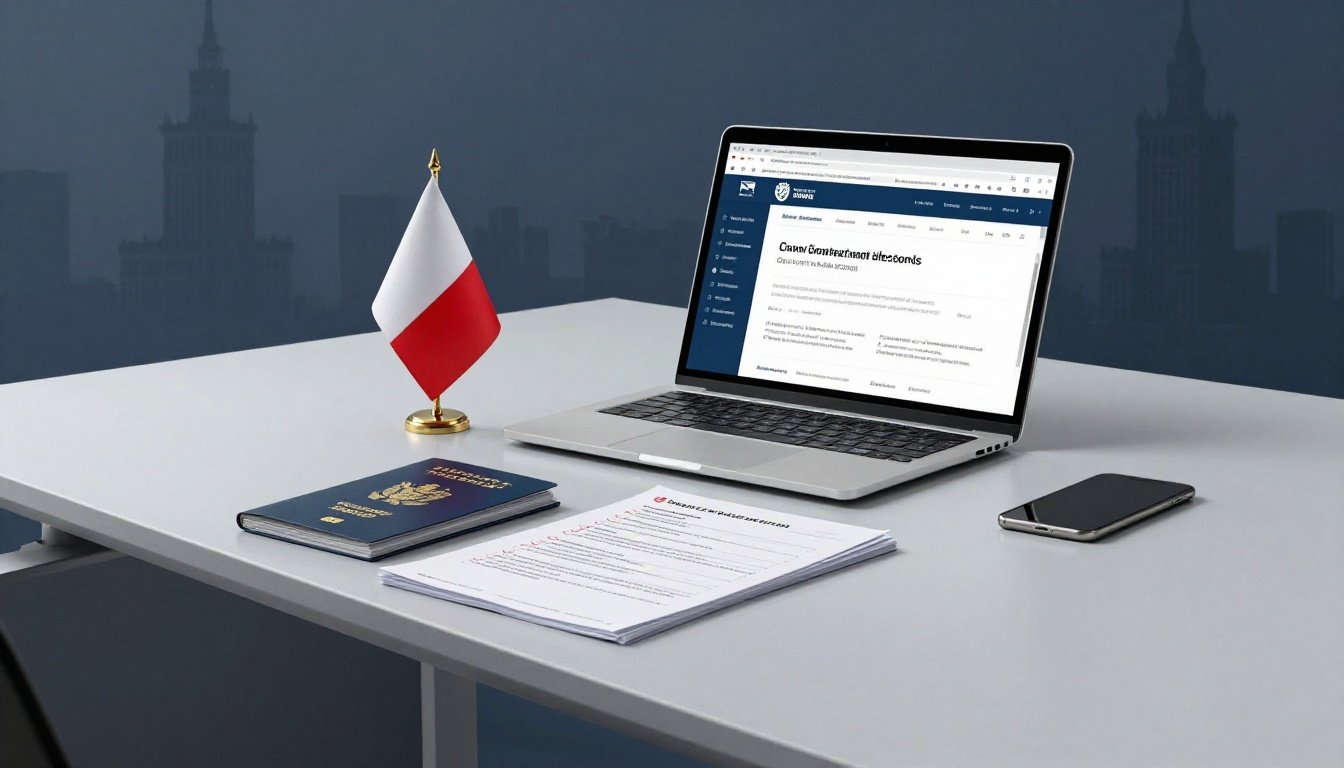
EnuWork permit Poland requirements can feel confusing because the “right” permit depends on who employs you, where the work happens, and how long you’ll stay. This guide breaks down the permit types, the standard document set, employer duties, fees, and the usual steps from job offer to legal work.
Always confirm prices and policies on the official site.
Quick Answer (Read This First)
- Most non-EU/EEA/Swiss citizens need a Polish work permit to work legally in Poland, the employer usually applies.
- The most common route is a Type A work permit for a Polish-based job.
- Posted-worker permits cover cases where a foreign company sends you to Poland (often discussed as types C, D, E).
- Seasonal work uses a separate seasonal permit (often called Type S), with strict time limits.
- Since mid-2025, applications have moved to electronic workflows in practice, and document lists got more formalized.
- Fees increased in recent updates (examples reported publicly include 200 PLN for short permits and 400 PLN for longer ones, with higher fees for postings).
- A work permit and the right entry and stay basis must match (visa, visa-free entry where allowed, or a residence permit).
What Is Work Permit Poland Requirements and What Does It Do?
A Poland work permit is an official authorization that allows a foreign national to work in a specific job under a specific employer and conditions. In most cases, it’s employer-led, meaning the company in Poland files the application and receives the decision.
It doesn’t replace a visa or a residence permit. It supports them. Your legal ability to enter Poland and remain in Poland must still be valid for the work period.
Work permit Poland requirements also tie you to the job details on the decision, such as position, salary terms, working hours, and location. If those change, a new permit or an update may be needed.
For official entry rules connected to working, use the government overview at Poland entry conditions for work.
Key Features of Work Permit Poland Requirements
- Employer-led application, most routes start with a Polish employer.
- Permit type depends on employment model (local hire vs posting vs seasonal).
- Fixed job scope, role, salary, and location are part of the permit conditions.
- Formal supporting documents, including company papers and worker qualifications.
- Labor market test may apply in some cases, depending on role and local rules.
- Higher scrutiny for postings, managers, or unusual job setups.
- Increased fees compared to older practice, plus translation costs.
Step-by-Step: How to Use Work Permit Poland Requirements
- Confirm you’re in the group that needs a permit (third-country national, not exempt).
- Pick the correct permit category based on how the work is arranged (Type A, posting, seasonal, managerial).
- Employer collects company documents, job details, and any labor market evidence required.
- Employer files the application to the competent authority (often the Voivodeship Office; seasonal routes involve labor office structures).
- Wait for a decision, respond quickly if the authority requests missing items.
- Use the permit to support the next legal step (visa, visa-free entry basis if applicable, or residence permit filing).
- Start work only under the conditions stated on the permit.
- Track expiry, renew early, and re-apply if you change employer or job terms.
Before you pay mini checklist:
- Confirm the permit type matches your work model.
- Confirm who pays which costs (fee, translations, courier).
- Check if your documents need sworn translation.
- Check whether a labor market test is required for the role.
Pricing, Fees, and What “Cheap” Really Means
Work permit Poland requirements come with official administrative fees and “hidden” practical costs. The state fee can depend on duration and the permit route. Recent publicly reported fee examples include 200 PLN for permits up to 3 months, 400 PLN for permits longer than 3 months, and higher levels for postings.
Your total cost often includes sworn translations, notarized copies, and document legalization where needed. If a consular visa is required, that adds another layer of fees.
Example calculation (example only): a long permit fee (400 PLN) + two sworn translations + notary copies can easily cost more than the permit itself, even before travel or visa costs.
Pros and Cons
| Factor | Pros | Cons | What to watch |
|---|---|---|---|
| Legal work status | Clear legal basis | Must match visa or stay basis | Entry and residence alignment |
| Employer sponsorship | Employer handles filing | You depend on employer compliance | Employer reporting duties |
| Permit specificity | Predictable conditions | Less flexible for changes | New permit if job changes |
| Seasonal route | Faster fit for seasonal roles | Strict time caps | Sector and duration limits |
| Posted worker route | Works for secondments | More documents and checks | Proof of foreign employment |
Common Mistakes (and How to Avoid Them)
- Using the wrong permit type for the employment model, fix it by mapping who employs you and where the work happens.
- Missing translation rules, fix it by using sworn translations when required by the authority.
- Submitting job terms that don’t match payroll reality, fix it by aligning contract, salary, and working time.
- Ignoring permit conditions on location or role, fix it by treating the permit as “job-specific,” not “person-specific.”
- Assuming visa-free entry always works for employment, fix it by confirming entry rules for your nationality and purpose.
- Employer forgets required notifications, fix it by tracking employer reporting tasks as part of onboarding.
- Waiting too late for renewal, fix it by starting renewal planning well before expiry.
Is Work Permit Poland Requirements Legit and Safe?
Work permit Poland requirements are “legit” when the permit is issued by the competent authority and matches your real job. Safety here means legal safety: correct permit type, correct employer details, and correct entry and stay basis.
Check who the issuing authority is, and whether your employer can show the decision, the application confirmation, and the final permit details. Also check that you have a valid support channel to correct errors fast, because mistakes in role, salary, or dates can create compliance problems.
For a concrete example of official procedure guidance from a Voivodeship-level foreigner department, see Wielkopolska work permit procedure.
Tips to Get Better Deals
- Bundle sworn translations together to reduce per-document handling fees.
- Avoid re-translation by keeping consistent name spelling across documents.
- Use only documents that the authority actually asks for in your case.
- Keep scanned copies clean and readable to avoid re-submission cycles.
- Align dates early (contract start, permit period, visa window) to avoid paying twice.
- Don’t pay for optional services unless they reduce your risk of re-filing.
- If you’re posted, prepare proof of foreign employment upfront, it’s often requested.
- Keep funds ready for follow-up requests, courier, and appointment travel.
- Track renewal timelines early, last-minute processing can raise costs indirectly.
- Store every receipt and filing confirmation, it helps if you need to appeal.
FAQs
What are the core work permit Poland requirements for most employees?
A valid passport, a real job offer with clear terms, employer documentation, and a completed employer application to the competent authority. Many cases also require proof of qualifications and translated documents.
What’s the difference between Type A and posted-worker permits?
Type A usually covers a standard job with a Polish employer in Poland. Posted-worker setups apply when a foreign employer sends you to Poland under specific posting conditions, and the evidence package tends to be heavier.
Do I need a work permit if I’m from the EU?
EU/EEA/Swiss citizens generally don’t need a work permit to work in Poland.
Can Ukrainians work without a permit?
Rules have used simplified paths in recent years, but the details and end dates matter. For 2026 planning, confirm the current legal basis and whether a permit or residence card is required for your exact situation.
How long does it take to get a work permit?
Processing commonly takes weeks to months depending on region, workload, and complexity. Electronic filing practices can reduce delays, but missing documents usually cause the longest setbacks.
Can I change employers on the same permit?
Usually no. Work permit Poland requirements typically tie the permit to one employer and job conditions. A new employer often means a new permit process.
Is a work permit enough to live in Poland long-term?
A work permit supports work authorization, but long-term stay usually requires the right visa or a residence permit. Over time, some people qualify for longer-term residence if they meet the legal conditions.
What costs should I expect besides the official fee?
Sworn translations, notarized copies, document legalization (if applicable), and visa or residence-related fees. Budget for re-submissions if your first filing is incomplete.
Conclusion
Work permit Poland requirements come down to four things: the correct permit type, a compliant employer application, a complete document pack (with proper translations), and a matching legal basis for entry and stay. When those align, the process is predictable.
Use the permit type logic and the document checklist mindset, then validate details on official sources before anything gets filed. Work permit Poland requirements change over time, so the final reference point should always be the current government procedure and your local authority’s instructions.

 Enu
Enu