 Enu
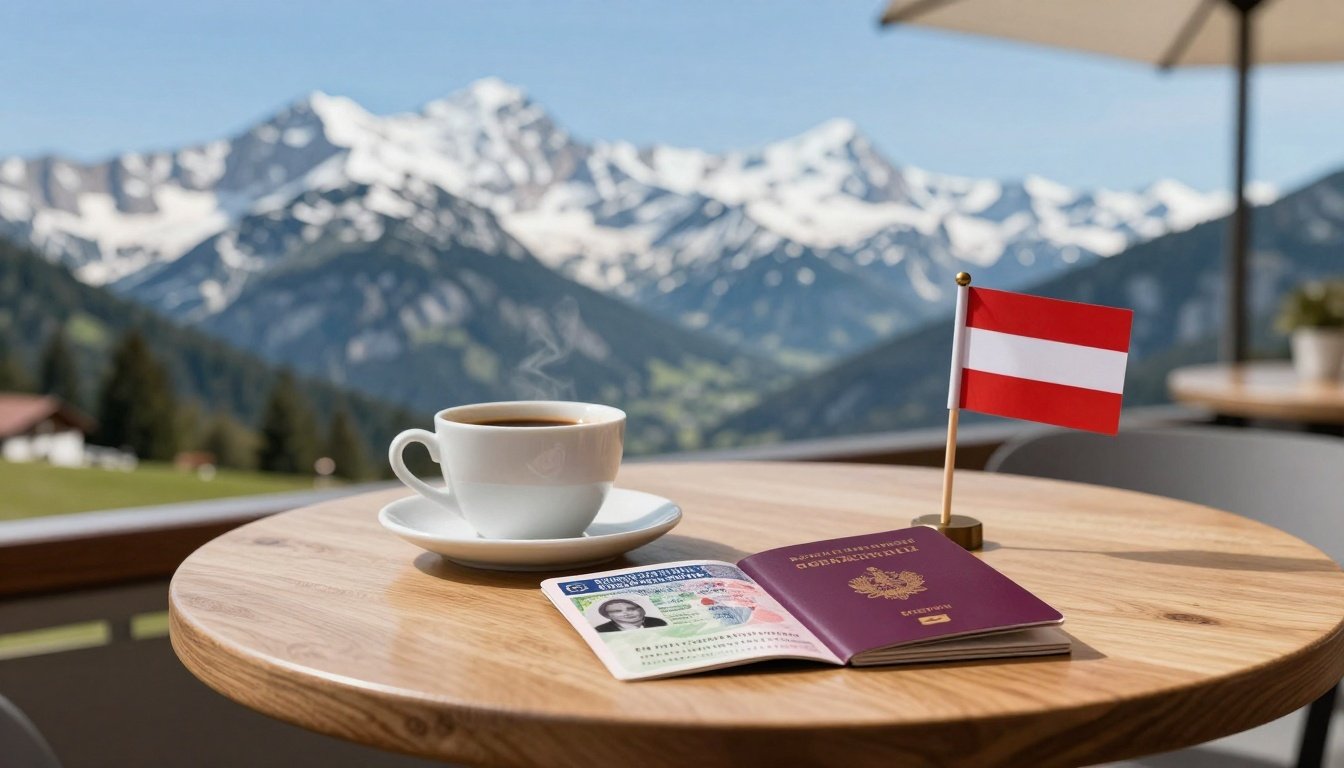
EnuImagine standing atop the Austrian Alps, breathing crisp mountain air, or strolling through Vienna’s grand cafes with a coffee in hand. If you’re from a country that requires one, you’ll need to apply for Schengen visa Austria to make that trip real. This visa opens doors not just to Austria but to 26 other Schengen nations for stays up to 90 days in any 180-day period.
In this guide, you’ll learn who qualifies, what documents to gather, the exact application steps, fees, and smart tips to boost approval odds. We’ll cover short-stay Visa C for tourism or business and when to go for long-stay Visa D. Note that ETIAS, a quick online authorization for visa-free travelers, launches in late 2026, so it won’t affect January 2026 trips yet. Always double-check rules on the official Austrian Foreign Ministry (BMEIA) site or your local embassy, as requirements shift. Services like VFS Global often handle submissions in many countries, saving you embassy lines.
Who Needs a Schengen Visa for Austria and Quick Eligibility Check
Citizens from over 60 countries, like India or Nigeria, must apply for Schengen visa Austria if planning short stays. Check the BMEIA site for your nationality; EU citizens and many others enter visa-free under the 90/180-day rule. Visa-free folks just need a valid passport, but border checks may ask for funds proof or return tickets.
Key eligibility factors include a passport valid at least three months beyond your Schengen exit, no entry bans, and strong home ties like a job or family. Austria follows Schengen rules tightly, so even visa holders face spot checks.
Here’s a quick checklist:
- Valid passport issued within last 10 years, with two blank pages.
- Travel medical insurance covering €30,000 minimum for the full Schengen Area.
- Proof of funds (about €50-60 daily per person).
- Round-trip itinerary and accommodation.
- Ties to home country (job letter, school enrollment, property deeds).
- No criminal record or prior overstays.
- Clean Schengen travel history.
Visa C vs Visa D: Which One Do You Need?
Opt for Visa C for short trips up to 90 days, perfect for tourism, business meetings, or family visits across Schengen. It suits backpackers hitting Vienna then Munich.
Choose Visa D for longer stays over 91 days in Austria, like extended study or work. Holders get 90-day Schengen travel too. Tourism rarely needs D; apply C first unless staying months.
Documents Needed to Apply for Schengen Visa Austria
Gather these before booking an appointment. Submit originals plus photocopies. Missing items lead to delays or rejection.
Core list from BMEIA:
- Completed, signed application form (download from embassy site).
- Passport photo (35x45mm, recent, light background).
- Travel insurance valid entire stay, covering medical emergencies, repatriation (€30,000 min).
- Bank statements or sponsor letter showing sufficient funds.
- Detailed itinerary (flights, hotels).
- Home ties proof (employer letter, school certificate, family registry).
Extras depend on purpose. Apply early; embassies request more if needed.
Core Documents Everyone Must Provide
Everyone brings:
- Passport: Valid 3+ months post-trip, under 10 years old, two blank pages.
- Application form: Fill online or print; sign it.
- Photo: One recent biometric-style.
- Insurance: Schengen-wide coverage; get quotes from providers like Allianz.
These form the backbone. Double-check photo specs to avoid instant returns.
Extra Papers for Tourism, Business, or Family Visits
Tailor to your trip:
- Tourism: Hotel bookings, full itinerary, ticket stubs.
- Business: Employer invite, conference agenda, company cover letter.
- Family: Host invitation (notarized if required), proof of relation, host’s income docs.
For medical trips, add doctor’s letter and treatment plan. Strong purpose proof sways decisions.
Step-by-Step: How to Apply for Schengen Visa Austria
Start six months ahead, but no later than 15 days before travel. Processing takes 15 days typically, up to 45 in peaks.
- Confirm eligibility on BMEIA or embassy site.
- Download and complete the form; pay fees online if possible.
- Book appointment via VFS or embassy portal (slots fill fast).
- Prepare docs in order; organize in a folder.
- Attend in person for biometrics (fingerprints, photo).
- Track status online; respond to any requests promptly.
- Collect passport with visa sticker or appeal if denied.
If multi-country trip, apply to main destination (Austria if longest stay). First-entry rule applies otherwise.
Before submitting, checklist:
- All docs translated to German/English if needed?
- Funds cover full trip (no skimping)?
- Insurance active from entry day?
Where to Submit: Embassies, Consulates, or VFS Global Centers
Apply at the Austrian embassy or consulate covering your residence. VFS Global manages many, like in Nigeria or India; check their site. No Austrian mission nearby? Use a Schengen partner under agreements.
Contact BMEIA for your location. In-person only for adults; kids may proxy.
Schengen Visa Austria Fees, Processing Time, and Approval Tips
Fees: €80 for adults, €40 for children 6-12 (free under 6); some nationalities get reductions. VFS adds service fees (€20-40). Pay in local currency at submission; non-refundable.
Processing: 15 calendar days standard, 30-45 if complex. Apply 3-4 weeks early.
Boost chances:
- Show ironclad home ties (job contract, kids’ birth certs).
- Exact funds match (recent statements).
- Consistent itinerary (no gaps).
| Aspect | Pro | Con |
|---|---|---|
| Processing Speed | Often 15 days | Peaks stretch to 45 |
| Coverage | Full Schengen access | Strict 90/180 rule |
| Flexibility | Multiple entries possible | No work allowed |
Common pitfalls:
- Weak funds proof (use 3-month statements).
- No return intent (add property deeds).
- Poor photos (use pro service).
- Late apps (plan ahead).
Tools like VisaHQ help pre-check forms.
FAQs: Applying for Schengen Visa Austria
Can I apply online fully? No, form yes, but submit in person for biometrics.
How long is it valid? Up to 90 days in 180; multiple-entry options for repeats.
What if rejected? Appeal within weeks; fix issues like docs, reapply after months.
ETIAS replaces visa? No, only for current visa-free after late 2026.
Must I apply from home country? Yes, usually; exceptions rare.
Biometrics needed every time? Every 59 months or new passport.
Family group apps? Yes, one form per person, but group appointments.
Overstay consequences? Ban up to years; avoid at all costs.
Ready to Secure Your Schengen Visa for Austria?
To apply for Schengen visa Austria, check eligibility, gather docs like passport and insurance, book via VFS or embassy, and submit early. Fees around €80 cover quick processing if complete.
Visit BMEIA.gv.at or your local consulate now; slots vanish fast. Picture yourself in Salzburg soon, passport stamped. Safe travels!

 Enu
Enu