 Enu
EnuPlanning a move to Canada for work? The work permit Canada length can make or break your plans. International students fresh from graduation, skilled workers with job offers, and families joining spouses all need clear timelines to build their futures. Excitement builds around Canada’s job market, but uncertainties around permit durations create stress.
This guide breaks it down. You’ll learn types of permits, standard lengths, extension options, and 2026 updates. It ties into study abroad paths, like turning a student visa into a post-graduation work permit for seamless transitions. Always check the official IRCC website for the latest rules, as policies shift. Data draws from IRCC guidelines and recent trends.
Quick Answer: How Long Does a Work Permit Canada Last?
Most work permits last 1 to 3 years, but it varies by type. No fixed maximum stay exists; limits tie to your job, program, or status.
- Employer-specific permits: Up to 2-3 years, matching job offer or LMIA.
- Post-Graduation Work Permit (PGWP): Up to 3 years for programs 2+ years; equals program length for shorter ones.
- Open work permits: Often 1-3 years, aligned with principal applicant’s status (e.g., spousal).
- Intra-Company Transfer (ICT): 1-3 years initial; total up to 5-7 years by role.
- International Experience Canada (IEC): 6-24 months, depending on country and category.
- Spousal open permits: Matches main permit; extensions possible.
- Bridging Open Work Permit (BOWP): Up to 2 years while PR processes.
- Extensions work if you apply before expiry and keep status valid.
These give a snapshot. Details follow.
Types of Employer-Specific Work Permits and Their Lengths
Employer-specific permits tie you to one job and boss. They demand proof like a job offer. Lengths depend on Labour Market Impact Assessment (LMIA) or exemptions.
Canada issues these under the Temporary Foreign Worker Program. Employers prove no Canadian fills the role. Durations match the offer, capped at 2-3 years initially. Recent rules ease the old 4-year stay limit but add checks on low-wage jobs.
LMIA-Based Work Permits
Employers apply for LMIA first. Positive result lets you get the permit. Length follows the job offer, usually 1-2 years, up to 3 in some cases.
Extensions need a new LMIA. Quebec adds a CAQ for most. Stricter 2026 oversight targets low-wage roles to protect locals. High-skilled jobs face fewer hurdles.
Intra-Company Transfers (ICT)
Multinationals move staff without LMIA. Executives get 3 years initial (1 year for new offices); managers similar. Specialized knowledge workers start at 1 year.
Renewals add 2 years each time. Max: 7 years for executives/managers, 5 for specialists. Passport validity caps it too. IRCC monitors compliance closely.
These permits suit corporate moves. Graduates from Canadian schools often pivot here post-PGWP.
Open Work Permits: Flexibility and Duration Details
Open permits let you work for any employer, any job (with limits). They offer freedom for spouses, students, or PR waiters.
Lengths run 6 months to 3 years. They match your main status, like a study permit. Vulnerable workers get them without ties.
For Quebec, a CAQ applies sometimes. Recent caps hit low-skilled access.
Spousal and Family Open Work Permits
Partners of skilled workers (NOC 0,A) or full-time students get these. Length mirrors the principal’s permit or study program.
Extensions follow if the main one renews. 2026 tightens for mid/low-skilled principals; only high-skilled spouses qualify easily. Families value this flexibility for dual incomes.
Testimonials from study abroad users highlight smooth visa shifts, easing family moves.
Post-Graduation Work Permit (PGWP): Length for Graduates
PGWP rewards Designated Learning Institution (DLI) grads. It’s open, one-time only. Apply within 180 days of graduation.
Length: Programs under 8 months ineligible. 8 months to <2 years match study time. 2+ years get up to 3 years max. Masters/PhD from any school: 3 years.
No extensions normally, but bridging options exist. Check IRCC’s PGWP page for eligibility.
Study abroad consultants help here. Users praise quick transitions from student life to work, with visa teams handling paperwork for top unis like UCL or Birmingham. One grad noted full support from apps to PGWP, landing scholarships too.
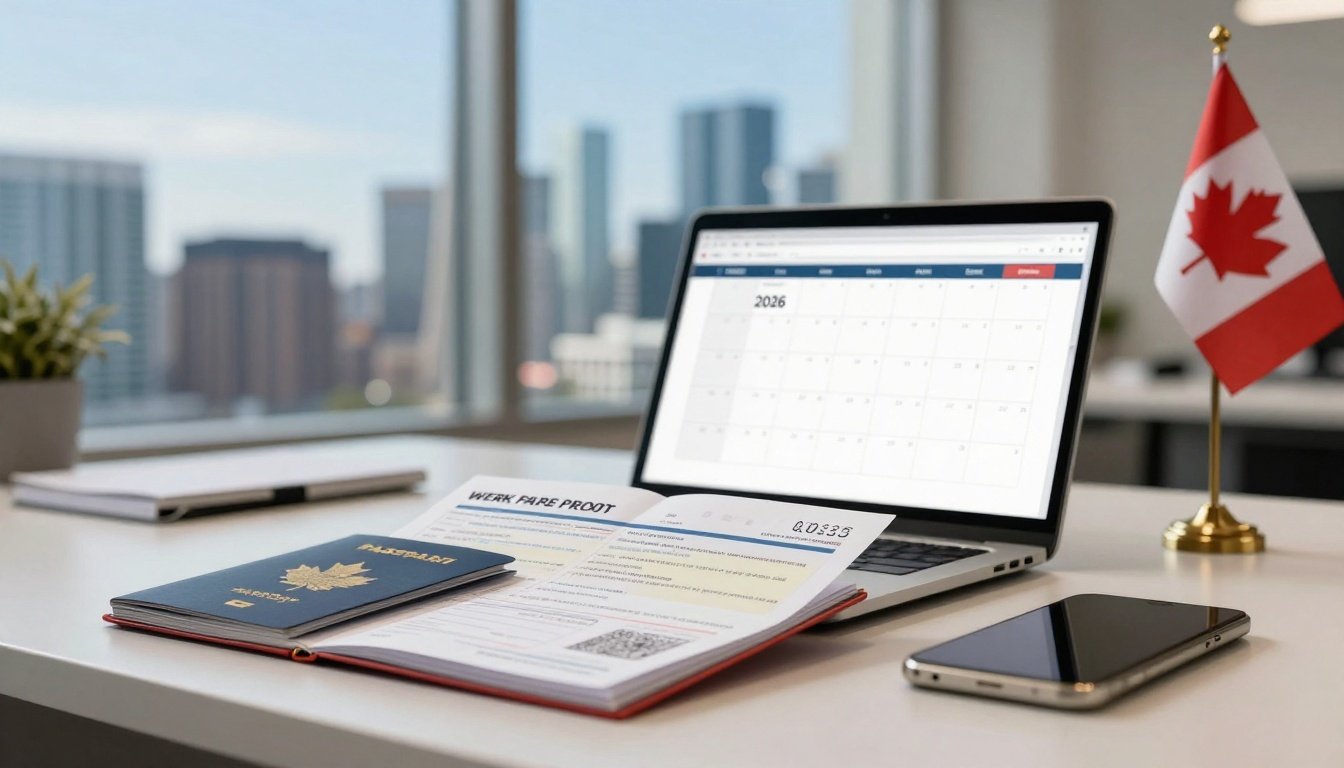
This visual sums permit timelines at a glance,
IEC and Other Special Work Permits Lengths
IEC targets youth 18-35. Working Holiday: open permit, 6-24 months by country (e.g., 24 for Aussies).
Young Professionals/International Co-op: employer-specific, up to 24 months.
Provincial Nominee Program (PNP) work permits: 1-2 years, tied to nomination.
Caregivers: 2-3 years under new pilots. Atlantic Immigration: up to 2 years.
Vary by draw. Quotas fill fast.
How to Extend Your Work Permit and Stay Longer
Apply 30 days before expiry for maintained status. You keep working during processing.
Gather: job letter, pay stubs, new LMIA if needed, passport copy. Apply online via IRCC portal.
No overall max stay, but program caps apply (e.g., 4 years low-skilled historically, now flexible). High-skilled get priority.
Steps: Log into account, upload docs, pay fee ($155+ biometrics). Approval emails come in weeks to months. Implied status bridges gaps.
Consultants streamline this, per user stories of hassle-free renewals.
Recent Changes to Work Permit Canada Length in 2026
Canada tweaks rules yearly. Open work permits for TR-to-PR applicants extend to December 31, 2026.
Spousal access shrinks: Only high-skilled (NOC 0,1) principals qualify from 2025. Low/mid-skilled drop off.
New employer-linked framework starts January 2026, replacing some opens. LMIA-exempt grows for trade pros.
Temporary stays face more monitoring; long-term temps need PR paths. High-skilled uncapped.
Stay updated via official sources.
FAQs: Work Permit Canada Length Questions Answered
How long is a standard work permit Canada length? 1-3 years, based on job offer.
Can I extend my PGWP? Rare; one-time only, but bridge to other permits.
What’s the max stay on ICT? 7 years executives, 5 specialists.
Does family affect length? Spousal matches principal; kids get study permits.
IEC length by country? Varies; check pool (e.g., UK 24 months).
Impact of 2026 changes? Tighter spousal, new framework.
Quebec differences? CAQ required, matches permit.
Passport expiry effect? Caps permit length.
Ready to Plan Your Work Permit Canada Length?
Work permit durations hit 1-3 years typically, with extensions for most. Employer-tied cap at job terms; opens flex with status. PGWP shines for grads up to 3 years.
Check IRCC first. Partners like StudyIn simplify it; users rave about visa pros turning apps into offers, even scholarships. Book free counseling to match your path.
Start today. Your Canadian chapter awaits.


 Enu
Enu