 Enu
EnuDutch visa assistance Schengen searches usually mean one thing, you want clear steps, real requirements, and fewer surprises. This guide breaks down what matters most when applying for a Netherlands Schengen visa and where “assistance” helps versus where it can waste money.
Always confirm prices and policies on the official site.
Quick Answer (Read This First)
- A Netherlands Schengen visa is a short-stay Type C visa for up to 90 days in any 180-day period.
- Your passport usually must be less than 10 years old and valid at least 3 months after leaving Schengen.
- Travel medical insurance is typically required, with a minimum coverage of EUR 30,000.
- You apply in your country of legal residence, often through a visa application center, and you’ll usually give biometrics.
- Processing can be as fast as 15 days, but can extend if extra checks are needed, plan early.
- Assistance is most useful for document prep, error checks, appointment readiness, and tracking.
- Don’t trust anyone promising “guaranteed approval”, decisions sit with the authorities.
What Is Visa Assistance and What Does It Do?
Visa assistance is a paid help service that supports your Schengen application. It doesn’t decide outcomes, but it can reduce errors, missing documents, and confusion around checklists.
Good support looks like practical guidance, document review, and clear communication. Many services also offer live chat or call center support, which helps if you’re applying under time pressure.
Some assistance providers also emphasize privacy and secure handling of personal data, plus transparent pricing so you can see service fees before you pay.
Key Features of Dutch Visa Assistance Schengen
- Checklist guidance aligned to your trip purpose (tourism, business, family visit, event)
- Application form review, common error spotting, and consistency checks
- Document organization so your file is easy to assess at the counter
- Appointment readiness support (what to bring, what to print, what to sign)
- Status tracking guidance and escalation paths if something stalls
- Optional add-ons like courier return or SMS updates (varies by center)
- Clear fee breakdown so you can separate consular fees from service fees
1) Understand the Basics: What “Netherlands Schengen Visa” Really Means
A Netherlands Schengen visa (Type C) lets you visit the Netherlands and other Schengen countries for a short stay, usually for tourism, business, family visits, or events. The key limit is the 90 days in any 180-day period rule, it applies across the whole Schengen Area, not just the Netherlands.
Schengen basics to keep straight:
- One visa can cover multiple Schengen countries if issued correctly
- The “main destination” rule matters when choosing where to apply
- Border officers can still ask for proof of funds, stay, and return plans
- Visa validity dates and “duration of stay” aren’t the same thing
- A Schengen visa isn’t a work permit, paid work needs a different route
For official Dutch checklists, start with tourism Schengen checklist.
2) Check If You Need a Visa and Apply in the Right Country
The first win in dutch visa assistance schengen planning is confirming whether you need a visa based on nationality and residence status. If you’re a visa national, you’ll apply for a short-stay visa. If you’re visa-exempt, you usually don’t need a visa for short trips, but you still need to meet entry conditions at the border.
You also must apply from your country of legal residence, not wherever you’re visiting. If you’re living abroad on a permit, that permit often needs to remain valid beyond your travel date.
A reliable starting point is the official hub for routes and country selection: Schengen visa application overview.
3) Pick the Right Purpose: Tourism, Business, Family, or Event
Choosing the wrong purpose is a quiet way to get delayed or refused. Dutch visa assistance Schengen services are most useful here because each purpose has its own supporting proofs.
Common purpose categories you’ll see:
- Tourism (hotel bookings, itinerary)
- Business or official visit (invitation, company letter, schedule)
- Visiting family or friends (host details, proof of relationship or invitation)
- Study or attending an event (registration, invitation, agenda)
If you’re visiting family or friends, use the official reference list: family and friends checklist. For business travel, the official list is here: business trip checklist.
4) Get Your Passport Right Before Anything Else
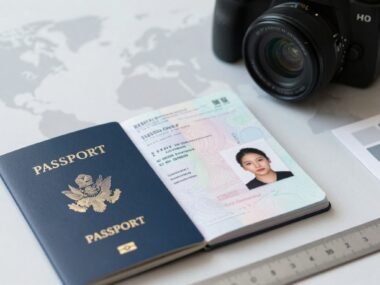
Passport problems are among the easiest refusals to avoid. For Schengen, the usual standards include being issued within the last 10 years, having at least two blank pages, and being valid at least three months after you leave the Schengen Area.
Also watch for damaged pages, missing signature pages, or mismatched names across documents. Assistance helps by catching these issues early, before your appointment.
If you have old passports with prior Schengen visas, keep them ready. Prior travel history can support your story, but only if your file stays clean and consistent.
5) Use the Official Checklist and Build a “One Story” File
Your file should read like one clear story, who you are, why you’re going, where you’ll stay, how you’ll pay, and why you’ll return. When documents contradict each other (dates, employer details, hotel nights), the application can slow down.
Use official checklists, not random blog lists. The Dutch government site is built around purpose-based checklists and your country of application. The main hub is Netherlands visa information portal.
VisaHQ-style services often position themselves around structured online steps and error checks. The useful takeaway is the workflow, submit online, prepare documents, track status, but you still need the official checklist and an in-person appointment in most cases.
6) Understand the Document Set That Most Applicants Need
Most Dutch Schengen applications ask for a predictable core set of documents. Assistance is valuable when it helps you confirm what applies to your case and what format is accepted.
A practical “standard pack” often includes:
- Completed application form
- Valid passport plus copies
- Recent photo that meets specifications
- Travel medical insurance (often EUR 30,000 minimum coverage)
- Proof of travel plans (itinerary, reservations)
- Proof of accommodation (hotel booking or host arrangement)
- Proof of funds (bank statements, payslips, sponsor support if needed)
- Proof of ties to your home country (job, school, family, property)
- If applying outside your home country, proof of legal residence there
- Extra documents based on purpose (invitation letters, registrations, agendas)
For attending an event or study-related short stay, use the official reference: study or event Schengen checklist.
7) Master the 90/180 Rule and Avoid Overstay Risk
Many people think “90 days visa” means 90 days per trip. It doesn’t. It’s 90 days total in any rolling 180-day window across the Schengen Area.
Three common scenarios (examples):
- You spend 30 days in Spain, then 30 in France, you’ve used 60 days total.
- You take three 20-day trips over 4 months, that’s 60 days used.
- You stayed 80 days recently, you may only have 10 days left until enough days “fall out” of the 180-day window.
If you’ve had recent Schengen travel, bring proof of exit and entry dates. Assistance can help you map this correctly so your itinerary doesn’t look risky.
8) Prepare Strong Proof of Money and Who Pays
Funds are a make-or-break area. Even when you have money, the problem is often how it’s shown. Bank statements should be clear, recent, and match your income story.
Common ways applicants show finances:
- Personal bank statements (often last 3 months)
- Payslips and employment letter (employed applicants)
- Business registration and taxes (self-employed)
- Sponsor support (with sponsor letter and proof of sponsor funds)
If someone else pays, your file should clearly show the relationship and why that sponsor makes sense. Don’t mix multiple sponsors unless the checklist allows it and the story stays simple.
9) Insurance, Photos, and “Small Details” That Trigger Big Delays
The small items cause outsized delays. Photos that don’t meet size or background rules, insurance that doesn’t cover the whole trip, or missing signatures can lead to a resubmission or refusal.
Typical photo rules for Schengen are 35x45mm, recent, clear face, light background. Some centers use digital photo capture, but don’t assume it.
Insurance needs to cover medical and repatriation, with minimum coverage commonly set at EUR 30,000, and it should cover the full stay dates. Assistance helps when it checks policy wording and date alignment.
10) Know Where You Apply: Embassy vs VFS Global and What They Actually Do
You usually apply through the Dutch embassy or consulate, but many countries use an outsourced application center to handle intake, biometrics, and basic document acceptance. VFS Global is one of the best-known operators in this space.
Important to keep straight:
- The center collects your application and biometrics
- The decision is made by the Dutch authorities, not the center
- Optional services (SMS, courier, premium lounge) can raise your total cost
If you’re not sure where to start for your country, use the official “choose your country” path: where to apply by country.
The “VFS Global” secondary keyword matters here because many applicants will interact with their appointment system and add-on services, even though the government sets core visa requirements.
11) Step-by-Step: How to Use Dutch Visa Assistance Schengen Support
This is a practical flow that matches how most support services work, including providers that highlight secure online applications, error checks, and status updates.
- Confirm visa need and correct visa type (short stay Type C vs long stay)
- Pick your trip purpose and download the correct checklist for it
- Build your document set and align dates, names, and addresses
- Get insurance and photo done to spec, matching your travel dates
- Complete the application form and cross-check it against documents
- Book the appointment with the correct center for your legal residence
- Attend in person, submit documents, provide biometrics, pay fees
- Track status, respond fast if extra documents are requested
Before you pay (quick checklist):
- The service fee is shown clearly and separately from the visa fee
- Refund rules are clear if you cancel an appointment
- You know who provides customer service (phone, email, live chat)
- The service doesn’t promise guaranteed approval
This is where “VisaHQ” can come up as a branded help option, their positioning often focuses on support, transparency, and real-time updates. The value is in reducing avoidable errors, not in changing decision criteria.
12) Pricing, Fees, and What “Cheap” Really Means
“Cheap” becomes expensive when you add everything up. A realistic total includes the official visa fee plus any service fee charged by the intake center, plus optional add-ons and your own prep costs.
What can be part of your total:
- Official Schengen visa fee (often EUR 80 for adults, confirm before paying)
- Service fee charged by the application center
- Courier return fee (optional)
- SMS updates (optional)
- Photo booth or scanning fees (sometimes)
- Travel insurance
- Translation or legalization costs if required
- Any change fees if your trip dates shift
Example calculation (example only):
- Visa fee: EUR 80
- Application center service fee: EUR 35
- Courier return: EUR 20
- Insurance: EUR 25
Example total: EUR 160
The “no hidden fees” promise matters, because unclear add-ons are where people feel trapped at the counter.
Pros and Cons
| Area | Pros | Cons | Best for |
|---|---|---|---|
| Document review | Fewer missing items | Can’t fix weak travel history | First-time applicants |
| Form filling | Reduces errors and mismatches | Still your responsibility to be truthful | Busy travelers |
| Appointment prep | Less stress on the day | Doesn’t speed up embassy processing | Tight schedules |
| Add-on services | Courier and SMS can help | Adds cost quickly | People far from the center |
| Status support | Clearer next steps | Limited influence on decisions | Anyone anxious about timelines |
Common Mistakes (and How to Avoid Them)
- Submitting the wrong checklist for your trip purpose, match purpose to documents.
- Showing unclear funds, use clean statements and explain large deposits.
- Insurance dates don’t cover the full stay, match exact entry and exit dates.
- Inconsistent itinerary, keep one set of dates across bookings and form.
- Weak ties to home, add job letter, school letter, or family commitments.
- Applying in the wrong country, apply where you have legal residence.
- Missing signatures or copies, verify everything the checklist asks for.
- Using fake reservations, it can lead to refusal and future issues.
- Not preparing for biometrics, most applicants must appear in person.
Is dutch visa assistance schengen Legit and Safe?
Dutch visa assistance Schengen services can be legit if they’re clear about what they do, and what they don’t do. They can help you prepare, but they can’t change the rules or approve the visa.
Safety comes down to basic checks:
- Who issues the visa decision (it should be the Dutch authorities)
- Where your data goes, and whether the provider has clear privacy terms
- Whether there’s a real customer service channel (phone, email, live chat)
- Refund and cancellation terms, especially for service fees
For official rules and documents, rely on government sources like visa requirements and steps. When you use a private service, treat it as admin support, not a shortcut.
Tips to Get Better Deals
- Compare total costs, not just the headline service fee.
- Skip add-ons you don’t need, courier and SMS aren’t mandatory.
- Book your appointment early so you don’t pay “urgent” premiums elsewhere.
- Prepare documents yourself first, then pay only for a review if needed.
- Keep your itinerary simple, fewer cities can mean fewer questions.
- Use one bank account for proof, mixed accounts create confusion.
- If sponsored, keep sponsor paperwork tight and complete.
- Don’t pay for “guaranteed approval” claims, walk away.
- Choose support that offers transparency and clear fee breakdowns.
- Keep copies of everything you submit, it helps with follow-up.
FAQs
Can I apply for the Netherlands and enter through another Schengen country?
Yes, if the Netherlands is your main destination (longest stay or main purpose). Your itinerary should make that obvious.
Do I have to submit the application in person?
In many cases, yes, including for children. Biometrics are commonly required unless you qualify for an exemption based on recent Schengen biometrics.
How long does it take to process a Netherlands Schengen visa?
Often around 15 days, but it can take longer if extra checks or documents are requested. Plan for delays.
What if my application gets refused?
Refusals usually cite reasons like weak ties, unclear funds, missing documents, or doubts about purpose. You may have appeal options depending on the case and decision letter.
Is it better to apply direct or use a visa help service?
Direct is usually cheaper. A help service can be worth it if you’re unsure about documents, need error checks, or want support with tracking and preparation.
How does ETIAS affect Netherlands travel?
ETIAS is expected to start in late 2026 for visa-exempt travelers. It’s a pre-travel authorization, not a visa, and it doesn’t replace a Schengen visa for visa nationals.
Are “premium lounge” or courier services required?
Usually not. They’re optional services offered at some intake centers, but they raise the total cost.
What should I bring to the appointment?
Bring the full document set from the official checklist, plus copies as required, your passport, and payment method accepted by the center.
Conclusion
Dutch visa assistance Schengen support works best when it reduces risk, missing items, and unclear paperwork. It’s most valuable for first-time applicants, complex cases, and anyone who wants a second set of eyes on the file.
Use the official checklists as your base, then decide if paid help is worth it for document review, form accuracy, and customer service access. Always confirm prices and policies on the official site.

 Enu
Enu