 Enu
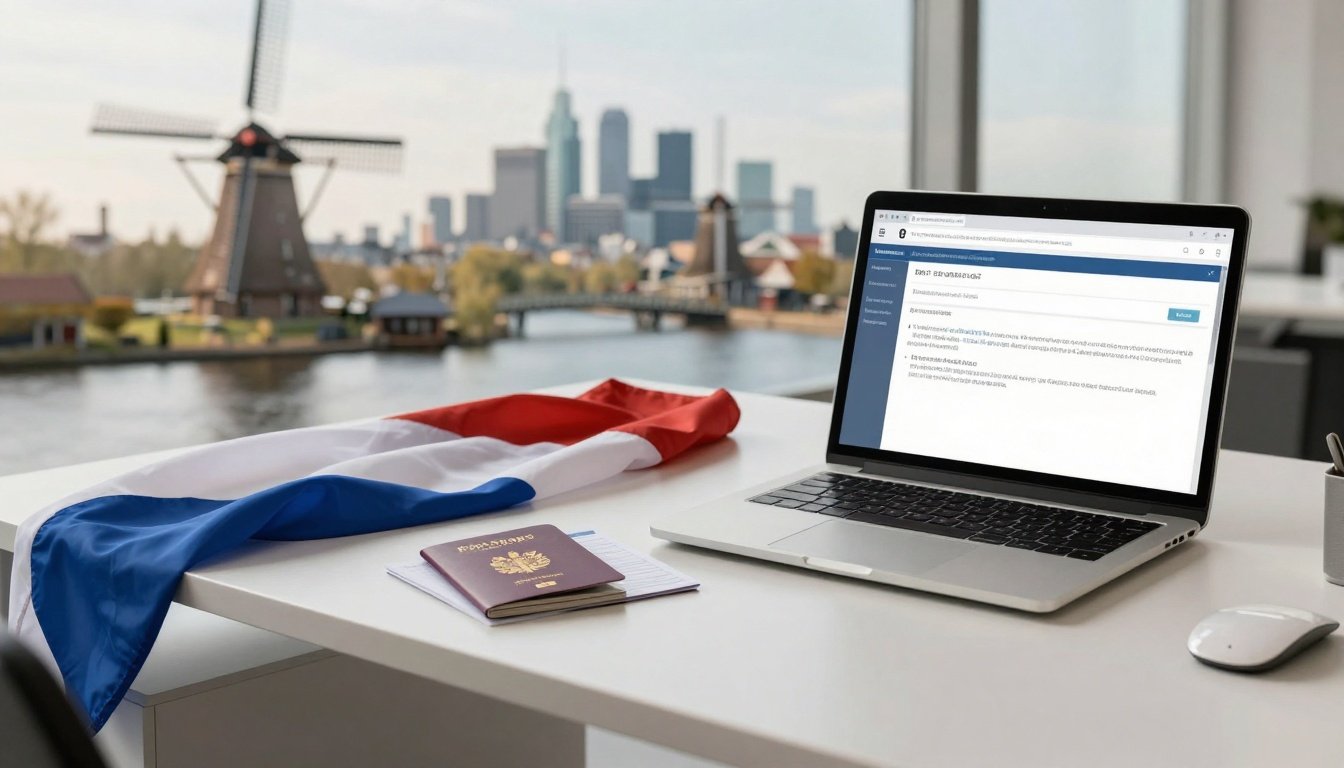
EnuGetting a netherlands work permit for foreign workers comes down to two things: your nationality (EU/EEA/Swiss or not) and the type of work you’ll do (skilled job, seasonal work, transfer within a company, graduation route, or self-employment). This guide breaks the main permit routes, what they’re used for, and what employers and workers typically need to prepare.
Rules change, and fees and salary levels can update each year. Always confirm prices and policies on the official site.
Quick Answer (Read This First)
- EU/EEA/Swiss nationals generally don’t need a Dutch work permit, non-EU/EEA nationals usually do.
- For short work (often under 3 months), employers may need a TWV (work permit) via UWV.
- For longer stays, many routes use the GVVA (combined residence and work permit) or a residence permit with work rights.
- Many skilled routes depend on the employer being an IND recognized sponsor.
- Highly skilled migrant rules include salary thresholds that are updated regularly, and they rose again from 1 January 2026 (IND publishes the required amounts).
- Some categories are exempt from a labor market test, others require the employer to prove they couldn’t hire locally.
- Expect extra prep for translations, legalization, and consistent payroll proof.
- Plan around processing time, registration in the municipality, and getting a BSN.
1. Who actually needs a Netherlands work permit for foreign workers?
A netherlands work permit for foreign workers is mainly relevant for people from outside the EU/EEA and Switzerland. In many cases, the employer must arrange the work authorization before the worker starts.
In practice, the first “sorting step” is nationality. These groups are commonly exempt from needing a work permit in the Netherlands:
- Citizens of EU member states
- Citizens of EEA countries
- Swiss citizens
Even when exempt, people may still need to register locally and meet residence requirements. For non-EU/EEA citizens, the work permission is tied to the type of residence permit and the job conditions.
2. TWV vs GVVA: the two permit names you’ll see everywhere
When people search netherlands work permit for foreign workers, they often run into two abbreviations:
- TWV: a work permit that’s typically employer-led and often used for specific shorter or limited work situations.
- GVVA: a combined residence and work permit (single permit), used when the stay and employment are longer and the worker will reside in the Netherlands.
A simple way to think about it: TWV is “work permission only” in many cases, GVVA is “work plus residence combined.” The right one depends on duration, residence plans, and the permit category used.
For a government overview of the TWV concept and when it applies, see Dutch TWV work permit rules.
3. Recognized sponsor status: why employers matter so much
For many skilled routes, the employer isn’t just a sponsor in the casual sense, they may need formal recognized sponsor status with the IND. This can affect how the application is filed and how quickly it moves.
The biggest practical impact is predictability. A recognized sponsor is expected to keep strong records, follow salary rules, and report changes. In exchange, some permit paths are designed around employers who can meet these compliance duties.
As of 2026, sponsor compliance expectations also include keeping clear proof of salary payments. That matters because the netherlands work permit for foreign workers is not only about the contract on paper, it’s also about what gets paid in reality.
4. Highly Skilled Migrant permit: the most common “skilled job” route
The Highly Skilled Migrant route is one of the best-known options within the netherlands work permit for foreign workers space. It’s used for professional roles where salary and employment conditions meet the IND standards, and the employer is often a recognized sponsor.
This route is mainly defined by eligibility checks that look like this:
- Employer is eligible (often a recognized sponsor).
- Job offer is real and documented.
- Salary meets the required threshold for the worker’s category (often age-based).
- Terms match Dutch rules and the IND framework.
In many cases, the permit is granted for the contract duration, up to the maximum allowed for that permit category.
5. Salary thresholds and compliance: what gets checked in 2026
Salary is one of the strictest parts of a netherlands work permit for foreign workers application. For Highly Skilled Migrants, there are different thresholds for people under 30 and those 30 and over, and the IND publishes the required amounts.
From 1 January 2026, salary thresholds increased again (IND lists the exact required amounts on its “Required amounts” pages). What matters for applicants is not only the number, but also the structure of pay, the payroll schedule, and whether it’s paid consistently.
Employers also need to be ready to prove that salary payments match what was promised, not just once, but over time. That’s one reason document quality and payroll records can decide whether an application succeeds.
6. EU Blue Card: a parallel option for degree-based skilled work
The EU Blue Card is another route that may fit some skilled workers. It’s often used when the worker has a higher education background and meets the required salary level for the scheme.
It’s not “better” than the Highly Skilled Migrant route in every case. The best fit depends on how the worker wants to move within Europe later, the employer’s setup, and the role conditions.
Fees can vary by situation. For example, published fee figures include EUR 243 for some cases (long-term EU resident status in another EU country) and EUR 405 for others, based on the available 2026 information.
7. ICT (Intra-Corporate Transferee): for company group transfers
The ICT permit supports transfers within a multinational group, often for managers, specialists, or trainees. It’s built for situations where the worker is already employed in one country and is sent to the Netherlands for a defined assignment.
The paperwork typically focuses on proof of the corporate relationship (group structure) and proof that the worker fits the role category. Salary and employment history requirements can apply, and the worker’s assignment length matters.
This route is very different from a general job offer. It’s less about hiring from the open market, more about documenting a real internal transfer that matches the category rules.
8. Short-stay and seasonal routes: limited time, strict conditions
Not every netherlands work permit for foreign workers case is a multi-year skilled contract. Some work is short or seasonal, and the permit logic changes.
Short-stay work can still require a work permit (often a TWV arranged by the employer), especially when the person is coming for a specific job and not just business meetings. Seasonal work is usually tied to defined sectors and short maximum periods, and it can trigger labor market checks.
Employers often need to show they tried to recruit locally before hiring from outside the EU/EEA, depending on the category. That’s where planning and lead time matter most, because recruitment proof and timing can decide the outcome.
For employer-focused guidance on the workflow, see UWV work permit information.
9. Orientation year (search year) for graduates: a bridge to work
The orientation year (often called a “search year”) is a known route for recent graduates. It can give time to find a job in the Netherlands and then switch into a longer-term work route later, depending on the job offer and employer.
This is a practical option for people who don’t yet have a qualifying contract for a full skilled permit, but do have an eligible education background. It’s also a common stepping stone into the highly skilled system once a qualifying offer is secured.
It still sits within the bigger netherlands work permit for foreign workers picture because it often leads into employer-sponsored work authorization.
10. Documents, fees, and processing times: what usually slows people down
Many delays in a netherlands work permit for foreign workers process come from basics: missing documents, unclear translations, mismatched job titles across forms, or salary details that don’t line up between the contract and payroll plan.
Common document buckets include:
- Identity documents (passport copies, photos, forms)
- Employment documents (contract, job description, pay details)
- Qualifications (degrees, CV, sometimes recognition evidence)
- Family documents (marriage and birth certificates if family is joining)
Fees and processing times vary by permit type and situation. Some decisions can move faster for recognized sponsors, while other routes can take longer depending on checks and workload. Budget for extra costs beyond the government fee, like translations and legalization, because those costs often surprise people.
Conclusion
A netherlands work permit for foreign workers is not one single permit. It’s a set of routes, and each route has its own logic: short-stay TWV, longer-stay GVVA, employer-driven Highly Skilled Migrant, EU Blue Card, ICT transfers, and graduate pathways.
The best outcomes come from matching the worker’s situation to the correct route, then backing it up with clean documents and compliant pay. For anything that affects cost, salary thresholds, or permit steps, always confirm details on the official government sources before you commit.


 Enu
Enu