 Enu
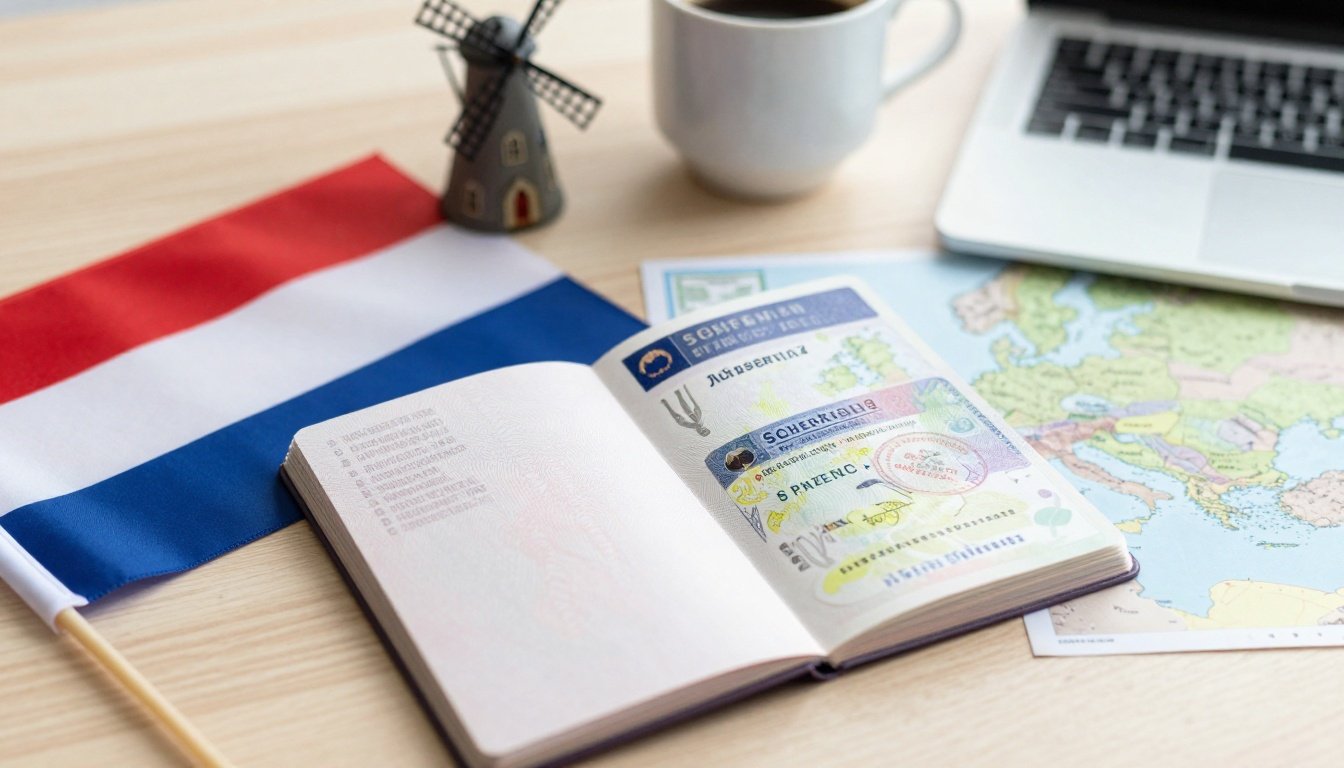
EnuDutch visa requirements can feel confusing because the Netherlands uses two main tracks, a short-stay Schengen visa (Type C) for the Schengen Area and a long-stay visa (often via an MVV). This guide breaks down what you’ll usually need, what it costs, and where people slip up as part of key Dutch immigration requirements.
Always confirm prices and policies on the official site.
Quick Answer (Read This First)
- For non-EU nationals, short trips are usually the Schengen short-stay visa (Type C), valid for up to 90 days in any 180-day period across Schengen.
- Long stays (over 90 days) often involve an MVV entry visa plus a residence permit process through the IND.
- Your passport typically needs 3 months extra validity after you leave Schengen, be issued within the last 10 years, and have at least 2 blank pages.
- Travel medical insurance for Schengen usually needs at least €30,000 coverage, including emergency care and repatriation.
- Proof of funds matters, a common working figure is about €55 per day as an example, but exact expectations can vary by case.
- Standard Schengen processing is often around 15 calendar days, but it can take longer if extra checks are needed.
- Most applicants must submit biometrics (fingerprints and photo), unless exempt due to recent Schengen biometrics.
- For the most reliable document list, start with the official checklist page: Netherlands visa document checklist.
What Is VFS Global and What Does It Do?
VFS Global is a service partner that runs visa application centres for many countries, including Dutch visa applications in certain regions. It’s not the decision-maker on your visa.
In practical terms, VFS Global usually handles appointment slots, document intake, biometrics collection, and passport return. The Dutch authorities through the embassy or consulate (and Schengen rules) still drive the decision.
Some countries apply directly through a Dutch embassy or consulate instead. Where you apply depends on where you live and your visa type. For complex applications, consider seeking legal assistance, and if you need local guidance on the VFS process, an immigration consultant Amsterdam can be a valuable resource.
Key Features of dutch visa requirements
- Two main stay lengths, short-stay Schengen (Type C) vs long-stay routes like family reunification or for highly skilled migrants (often MVV plus residence permit, followed by a residence permit).
- Strong document focus, passport validity, photos, form accuracy, and consistent dates across all paperwork.
- Financial proof that matches your trip plan (length, lodging, paid activities, sponsor situation).
- Mandatory travel medical insurance for Schengen applications, with clear minimum coverage.
- Biometrics and identity checks are standard, and missing appointments can slow everything down.
- Purpose-based documents (tourism, business, family visit, medical, labor migration) change the checklist a lot.
- Timelines and fees depend on visa type, age, and sometimes nationality categories.
Step-by-Step: How to Use VFS Global
- Confirm the right visa type first (tourism, business immigration, family visit, airport transit, residency application, or long-stay pathway).
- Check where to apply (some countries use a visa centre, others use an embassy directly).
- Book an appointment early, popular seasons fill up.
- Prepare your documents in a clean order, and keep copies of everything.
- Submit your visa or work permit in person, provide biometrics if required, and pay the fee using the accepted method for that location.
- Track your application, and respond quickly if the embassy requests extra documents.
- Collect your passport, then check the visa sticker details (name spelling, dates, entries).
- Keep your insurance and proof-of-funds accessible for border checks, just in case.
Before you pay:
- Confirm the fee for your age group and visa type at your local application point; for work-related visas, ensure you have a recognized sponsor, the licensed entity approving your employment.
- Check if your location requires payment online, in person, or by card only.
- Confirm photo specs, small photo issues can derail timing.
- Make sure your travel dates match across flights, hotel, itinerary, and insurance.
Pricing, Fees, and What “Cheap” Really Means
When people search Dutch visa requirements, they often focus on the visa fee alone. That’s only one part of the real cost. Under Dutch immigration law, fees and document requirements are strict, and the total can include visa fee, service fees (if a visa centre is used), expat services, document translations, travel insurance, and any change or cancellation costs if your plans shift.
Schengen fees can change, and reduced fees may apply to children. For long-stay routes, fees vary a lot by purpose (study, work, family).
Example total cost (example only): an adult short-stay applicant might pay a visa fee plus a visa centre service fee, then add travel medical insurance, paid photo prints, and relocation services if budgeting for moving to the Netherlands. If you also need certified translations, the “cheap” option often stops being cheap fast.
Pros and Cons
AreaProsConsSchengen Type CClear 90/180 rule, widely usedStrict document consistencyMVV routeBuilt for work, study, family stays such as EU Blue Card, Intra-Corporate Transfer, or DAFT visa for entrepreneursLonger process, more stepsApplying via VFSEasier appointment handling in many placesService fees can add upFinancial proofPredictable expectations when preparedWeak statements trigger doubtsInsurance rulesClear minimum coverage standardWrong dates invalidate coverage
Common Mistakes (and How to Avoid Them)
- Passport validity misread: count 3 months after you plan to leave the Schengen Area, not after you arrive.
- Old passport issue date: if your passport was issued more than 10 years ago, renew before you apply.
- Not enough blank pages: check for 2 truly blank pages, not endorsement pages.
- Photo rejection: use the required size (often 35 mm x 45 mm) and avoid shadows, reflections, and heavy edits.
- Form mismatches: your entry dates, hotel dates, and insurance dates must match exactly.
- Weak funds story: deposits without explanation can look risky, add context with payslips or a sponsor file.
- Missing ties to home country: the Dutch authorities review proof you’ll return (job letter, study letter, family responsibilities, property lease).
- Buying non-refundable travel too early: bookings and reservations should be realistic, but flexibility matters.
- Unclear purpose of visit: a simple day-by-day plan beats vague statements.
- Ignoring extra requests: late replies can push your file into longer processing.
Is dutch visa requirements Legit and Safe?
Dutch visa requirements are set by official Dutch and Schengen authorities, so the rules themselves are real and enforceable. What varies is where you submit and which intermediaries you use for appointment booking or document intake.
To keep things safe, check who’s actually handling your application (embassy vs visa centre), what refund rules apply to fees, and how you’ll get support if you need to change a booking or correct a mistake. If you’re facing potential refusals, consider consulting an immigration lawyer Amsterdam for expert guidance.
For long-stay clarity, use the Immigration and Naturalization Service’s overview: IND MVV official overview. That page helps confirm whether you need an MVV or if an exception, such as the Dutch-American Friendship Treaty for certain entrepreneurs, may apply based on nationality and purpose.
Tips to Get Better Deals
- Apply early so you can choose better-priced flights and lodging.
- Keep your itinerary simple, fewer cities often means fewer documents.
- Buy insurance that meets the minimums, avoid “cheap” plans that don’t cover repatriation.
- Use refundable hotel options when possible, but keep them believable and consistent.
- Don’t pay for premium appointment times unless you truly need them.
- If someone sponsors you, build a clean sponsor file (income proof, relationship proof, signed letter).
- Avoid last-minute photo shops, use a provider that knows Schengen photo rules.
- Bundle translations and legalization in one run to reduce repeated admin costs.
- Keep a single master timeline of dates (entry, exit, hotels, events) and reuse it.
- If you’ll travel across Schengen, plan around the 90/180 rule to avoid overstays.
- For long-term stay planning that positions you toward permanent residence, prepare early for civic integration, including passing the civic integration exam, to cut extra training and resubmission fees.
- Keep proof of internal transport simple (train reservations help, but don’t overdo it).
- Track booking fees and cancellation terms, small add-ons can become your biggest cost.
FAQs
1) What’s the main difference between a Schengen visa and an MVV?
Schengen Type C is for short stays, up to 90 days in any 180-day period. MVV is an entry visa used for long stays (over 90 days) when you’ll also need a residence permit.
2) Do I always need €55 per day for the Netherlands?
It’s a common example figure people use for planning, but requirements can vary by case and proof type. Some situations rely more on paid accommodation and sponsorship evidence.
3) Do I need a fully paid flight ticket before I apply?
Many applicants use a reservation or itinerary instead of a fully paid ticket. The key is consistency and credibility across your documents.
4) Can I change a single-entry Schengen visa to multiple-entry?
In limited cases, a change may be possible due to special circumstances. Rules and eligibility are strict and depend on your situation.
5) How long does a Dutch visa take to process?
Schengen processing is often around 15 calendar days, but longer timelines happen if extra checks are needed, such as for work permits. Long-stay routes can take much longer because they involve residence permit decisions.
6) What documents are most likely to cause refusal?
Inconsistent travel dates, unclear purpose, weak financial proof, and missing ties to your home country are common problem areas.
7) Do children have different requirements?
Yes. Minors often need additional documents like birth certificates and parental consent, sometimes notarised depending on the case.
8) Should I apply directly or through a visa centre?
You usually don’t choose, it depends on the system in your country. The safe path is applying through the official channel assigned to your location.
9) Can a long-stay MVV lead to Dutch citizenship?
An MVV and residence permit can be initial steps on the path to Dutch citizenship through naturalization, but you must meet additional residency, language, and integration criteria over time.
Conclusion
Dutch visa requirements are manageable when you treat them like a checklist project. Pick the correct route (Schengen Type C or MVV, leading to a residence permit for long stays), keep every date consistent, and support your story with clean financial proof and clear purpose documents.
Use official sources like the IND for the final checklist, then submit only what fits your visa type. That approach cuts delays, lowers costs you can’t recover, and reduces refusal risk.


 Enu
Enu