 Enu
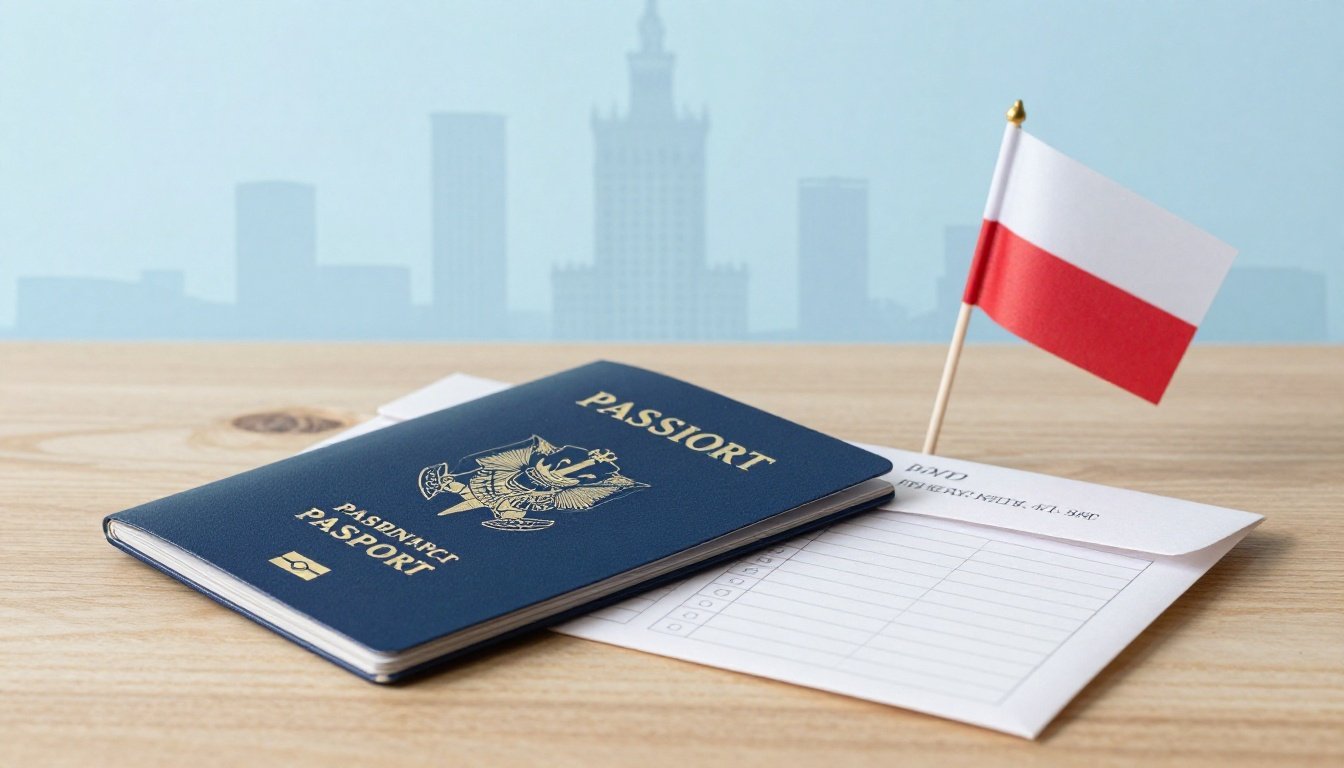
EnuFiguring out how to get Poland visa approval comes down to two things, picking the right visa type and submitting clean, consistent documents that match your trip story. This guide breaks the process into practical steps, from eligibility to appointment day and what happens after.
Always confirm prices and policies on the official site.
1) Quick Answer (Read This First)
- Poland is in the Schengen Area, so a short-stay visa for Poland is usually a Schengen C-type visa (up to 90 days in any 180-day period).
- If you’re from a visa-free country, you can often enter Poland without a visa for short stays, but you still must follow the 90/180 rule.
- For stays over 90 days (study, work, family), you typically need a national D-type visa.
- Your passport usually must be issued within the last 10 years, have at least 2 blank pages, and stay valid at least 3 months past your planned Schengen exit date (common requirement for Schengen files).
- Travel medical insurance for Schengen typically requires minimum coverage of EUR 30,000 and validity across the Schengen Area (confirm exact terms per consulate).
- Most applicants must apply in person, give biometrics, and may be asked for an interview.
- Appointment bookings should be free on official systems, be cautious of paid “appointment brokers” (some embassies warn about this).
- For official baseline rules, start with the Polish government page on Poland visa types and documents.
2) What Is How to Get Poland Visa and What Does It Do?
In many countries, the first step in how to get Poland visa paperwork moving is using e-Konsulat, the online consular system used for registrations and forms in selected locations. It’s not a “visa approval tool”; it’s mainly how you start the application record and get to an appointment workflow.
Some places use different systems or outsourced application centers, depending on local arrangements. That’s why the same Poland visa category can look slightly different from one country to another.
Treat any third-party agency that sells “guaranteed slots” as a risk. Some embassy sites explicitly warn that appointments aren’t sold and should be booked through the official channel.
3) Key Features of how to get poland visa
- Visa type choice: C-type (short stay), D-type (long stay), A-type (airport transit).
- Main destination rule: Apply to Poland if Poland is your main stay or main purpose.
- Document consistency: dates, hotel nights, work leave, bank history, and itinerary must match.
- Biometrics: fingerprints and photo are typically collected for first-time Schengen applicants (valid for a period in many cases).
- Insurance: Schengen-compliant medical coverage is standard for C-type files.
- Proof you’ll leave: job ties, study ties, family ties, and return plan usually matter as much as money.
- Tracking and pickup: many locations offer status updates and courier return options, but the rules vary.
4) Step-by-Step: How to Use How to Get Poland Visa
- Confirm your visa need based on nationality and trip length (90 days or less vs over 90 days).
- Choose the correct visa category (A, C, or D) and the purpose (tourism, business, family, study, work).
- Start your application in the official system used in your country (often e-Konsulat or a consulate platform).
- Book an appointment within the allowed window, many locations accept applications up to 6 months before travel, and not later than 15 days before.
- Prepare your full document pack in the order your consulate prefers, with copies.
- Attend in person, submit biometrics, pay the fee, and answer questions if asked.
- Wait for processing, then collect your passport or receive it by courier if available.
- Check the visa sticker (dates, entries, name spelling) before travel.
Before you pay:
- Check the appointment is on an official portal, not a reseller.
- Confirm the fee and payment method for your specific location.
- Make sure your insurance meets the Schengen requirements for the full trip.
- Make sure your dates match across flights, hotels, and leave letter.
5) Pricing, Fees, and What “Cheap” Really Means
When people search how to get Poland visa, they often focus only on the consular fee. Real costs can include photos, translations, travel insurance, courier return, and optional services at application centers.
“Cheap” can also hide risks. Paying extra to a middleman for appointment booking fees can backfire if the booking isn’t legitimate. Some official sites warn that appointments are free and not sold through agencies. For an example of this type of warning, see appointment booking warning from a German mission in Poland.
Example calculation (for illustration only):
- Visa fee (varies by category and age group)
- Photos and copies
- Travel medical insurance
- Courier or SMS service (optional) Total can easily be higher than the visa fee alone, even if you keep it basic.
6) Pros and Cons
| Option | Pros | Cons | Best for |
|---|---|---|---|
| Apply directly at consulate | Clear authority, fewer intermediaries | Fewer slots in some places | Applicants who can plan early |
| Apply via official visa center (where used) | Better logistics, tracking, courier options | Added service fees | Busy applicants |
| Use a document-prep service | Less stress, fewer missing fields | Not a substitute for eligibility | First-time applicants |
| “Appointment agents” | Convenience promise | Scam risk, no control | Best avoided |
7) Common Mistakes (and How to Avoid Them)
- Wrong visa type: match the visa to your real purpose and days in Poland.
- Inconsistent dates: keep one timeline across form, itinerary, hotels, and leave letter.
- Weak proof of purpose: tourism should show bookings or a clear plan; business should show invitations and meeting details.
- Insurance that doesn’t match rules: confirm coverage amount, dates, and Schengen-wide validity.
- Unclear funding story: bank statements should reflect normal income and spending, not sudden unexplained deposits.
- Missing ties to home country: add job letters, enrollment letters, family links, or property evidence when relevant.
- Overbuying “support services”: paying for customer service extras won’t fix an inconsistent application.
- Bad photos: wrong size or background can slow intake.
8) Is how to get poland visa Legit and Safe?
The process for how to get Poland visa is legitimate when you use official government channels, submit truthful documents, and attend the required appointment. Risk usually comes from third parties that promise guaranteed outcomes, sell “exclusive” slots, or push fake paperwork.
A safe application is simple: you know who issues the decision (the consulate), you can identify the official support channel, and you can explain refund and cancellation rules for any paid services (courier, SMS, premium lounge) before you purchase them.
If a seller claims they can bypass the consulate or speed approval for a fee, treat it as a red flag.
9) Tips to Get Better Deals
- Apply early to avoid last-minute rebookings and higher travel costs.
- Don’t buy non-refundable hotels unless your plan is locked.
- Compare insurance policies by coverage and exclusions, not just price.
- Keep your itinerary realistic, fewer cities often looks stronger.
- Use one clean set of documents, don’t submit extra papers “just in case.”
- Avoid paying booking fees to “slot finders”; use official scheduling.
- Bundle copy and photo prep ahead of time, it’s cheaper than doing it near the consulate.
- Choose courier return only if it saves real time or travel cost.
- If you’re adjusting dates, update every document, not only the form.
- Don’t confuse “cheap tickets” with credible proof, consistency matters more than bargain prices.
10) FAQs
What’s the main Poland visa for tourism?
Most short tourist visits use a Schengen C-type visa, which is limited by the 90/180-day rule.
Can I apply for a Poland visa from inside Poland?
In most cases, visas are issued outside Poland by consulates; long-term stays often shift to residence permits after entry, depending on the situation.
How long does processing take?
Processing time varies by consulate, season, and file complexity. Plan for weeks, and apply as early as the rules allow.
Do I need an interview?
Some applicants are called for an interview, especially if the purpose or funding needs clarification.
What if I need to cancel my trip after applying?
Cancellation doesn’t automatically cancel your visa, but fees and paid services might not be refundable, depending on the provider’s policy.
Is it better to book direct or use an agency?
Booking direct keeps control and usually reduces booking fees. Agencies can help with organization, but they can’t change eligibility.
What’s ETIAS and does it replace a visa?
ETIAS is a travel authorization planned for visa-free visitors to Schengen in late 2026. It’s not a visa, and it won’t apply to people who already need a visa.
11) Conclusion
A strong plan for how to get Poland visa approval is simple: pick the right visa category, apply to the right place, and submit documents that tell one clear story. Most refusals and delays come from mismatched dates, unclear purpose, and weak proof you’ll leave on time.
Use official sources first, prepare your pack like an auditor will review it, then book the appointment through the official channel. That’s the most reliable path for how to get Poland visa done with fewer surprises.


 Enu
Enu