 Enu
EnuA visa is simply written permission from another country that says, “You can come in, stay for a while, and sometimes work or study.” Your blue passport is strong, but you still often need visa services for US citizens to move smoothly across borders.
If you guess wrong about visas, you risk denied boarding, trip cancellations, and a spike in stress hormones right before you travel. When you handle visas early, you protect your plans, your sleep, and your overall energy for the things that matter: enjoying your trip and supporting your health.
This long-form guide helps you to:
- See if you even need a visa
- Understand common visa types and rules
- Decide whether to use a visa service or apply yourself
- Use tools like a quick table, checklist, and quiz concept you can turn into a downloadable PDF
Everything here is educational, not legal advice. Always confirm details on official government sites before you act.
What Is a Visa and How Do Visa Services Help U.S. Citizens?
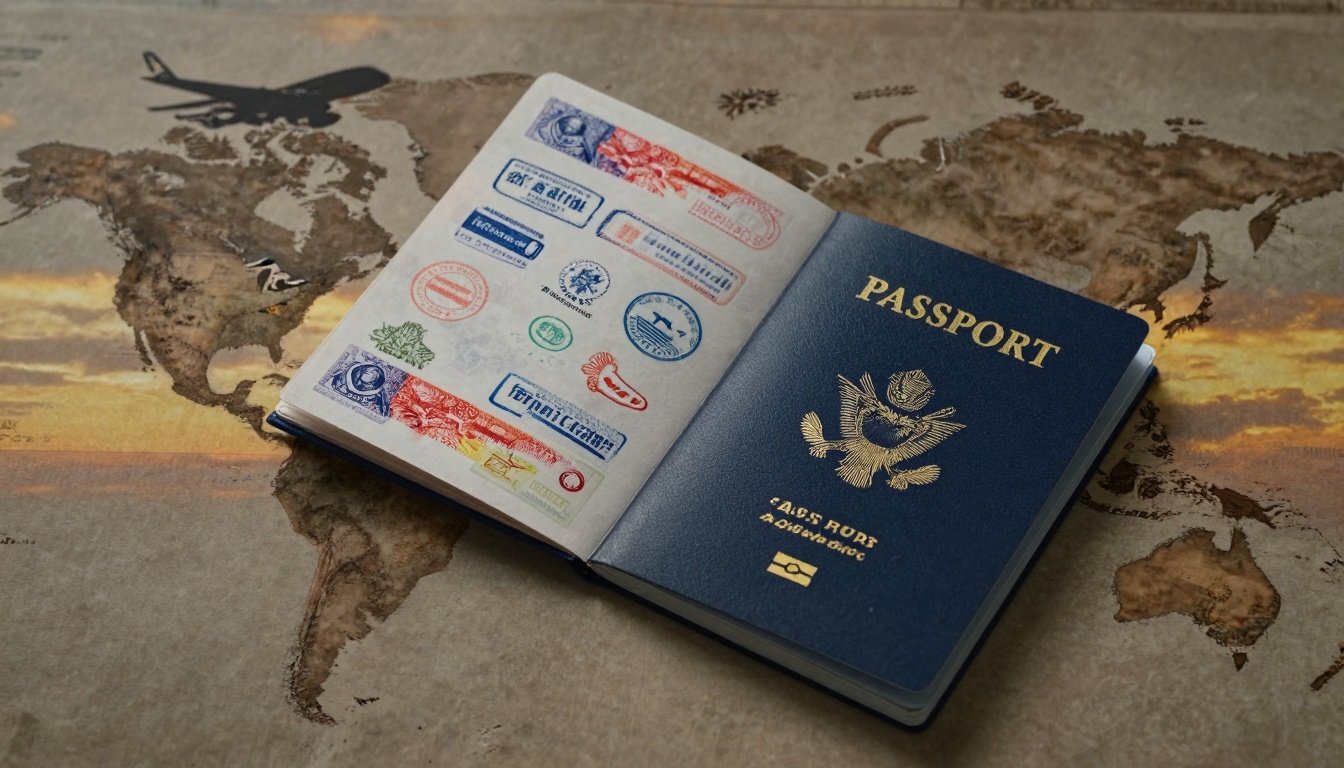
A visa is official permission from another country that lets you enter, stay, or work there for a set time. It can be a stamp, a sticker in your passport, or an electronic record linked to your passport number.
You do not need a US visa to leave the United States. You may need a foreign visa to enter the country you visit.
Visa services for US citizens are private companies and online tools that:
- Check if you need a visa
- Tell you which documents to gather
- Review your forms
- Deal with embassies or consulates on your behalf
Rules shift often, so official sources like Travel.State.gov and USAGov’s guide for citizens traveling abroad are always the final word.
Visa basics: how visas are different from your U.S. passport
Your US passport is your main ID and travel document. It proves who you are and what country you belong to.
A visa is extra permission from another country. It can be:
- A tourist visa for vacations and short family visits
- A business visa for meetings or short projects
- A student visa for long-term study
Some places let you visit without a visa for a short stay. Others want an online approval, like ETIAS for Europe, or a full visa at an embassy. Politics, security, and public health can change these rules quickly.
When you actually need visa services as a U.S. citizen
You might not need paid help for a simple, visa-free weekend in Mexico. Clear information from Travel.State.gov’s destination tool may be enough.
A visa service becomes useful when:
- Your trip is last-minute
- The rules are complex (for example China, India, Brazil, or Europe with ETIAS)
- You need a long-stay, work, or student visa
- Paperwork makes you anxious or English is not your first language
Planning early reduces rush fees, airport drama, and the stress spikes that can disturb sleep, digestion, and immune balance.
Where Do U.S. Citizens Need a Visa (and Where Do You Not)?
Your core question is simple: where do US citizens not need a visa, and where do you need one for 2025 and 2026 trips?
You can visit about 180 countries and territories without a traditional visa or with visa on arrival. A current list appears on tools like VisaIndex’s US passport visa-free countries page. Treat that as a starting point, not a final rule.
Where do U.S. citizens not need a visa for short trips?
In 2025, you can visit much of Europe, Latin America, and parts of Asia for short tourism or business without a pre-arranged visa.
Examples:
- Many Schengen Area countries in Europe for up to 90 days in 180 days
- Mexico, much of Central America, and parts of the Caribbean for 30 to 180 days
- Japan, South Korea, and Singapore for about 30 to 90 days
You may still need:
- An online travel authorization like ETIAS
- Proof of a return or onward ticket
- Proof of funds and travel insurance
- Vaccine records
Visa-free never means rule-free.
Popular destinations that now require visas or online approval
Some hot spots add extra layers:
- Schengen Europe and ETIAS: Starting 2026, US citizens will need ETIAS pre-approval for short visits. It is not a classic visa but a paid online check. You can read an overview on ETIAS.com.
- China: US travelers usually need a tourist visa from a Chinese embassy or consulate. Many people use a visa service due to detailed form and photo rules.
- India: Most US tourists use an India eVisa. You apply online, pay a fee, and print the approval.
- Brazil: Brazil is bringing back visa requirements for US visitors; coverage like CNN’s update on Brazil visas explains recent changes.
These details can change fast, so always cross-check with the US Department of State and the destination’s official site.
Quick-reference table: common visa rules for U.S. citizens in 2026
You can build a simple table for your own use with columns like:
| Destination/Region | Visa or ETIAS? | Typical stay | How to apply | Notes |
|---|---|---|---|---|
| Schengen Europe | ETIAS + passport | 90/180 days | Online ETIAS | Short stays only |
| China | Visa | 30–90 days | Embassy or service | Invite letter often needed |
| India | eVisa | 30 days | Online | Limited entry points |
Treat this as a quick filter. Always confirm current rules on Travel.State.gov’s destination search.
How to check visa requirements yourself in under five minutes
Build a pre-trip habit:
- Open travel.state.gov/destination.
- Type the country name and open the page.
- Scroll to “Entry, Exit, and Visa Requirements.”
- Read any safety or health alerts.
- Find the local embassy or consulate link and keep it handy.
This one routine removes most last-minute surprises that wreck sleep and spike anxiety.
Common Visa Types U.S. Citizens Use and What Type of Visa You Have
People often ask, “what type of visa does a US citizen have?” There is no single “US citizen visa.” Your type depends on your purpose and the country.
Main groups you will see:
Tourist and visitor visas: for vacations and short family visits
You use these for:
- Sightseeing
- Short wellness retreats
- Family visits
- Short conferences
You usually cannot work for local pay or enroll in long-term study. Many spots are visa-free for this purpose, but places like China, India, and Brazil may still require an eVisa or full visa.
Business visas: when your work takes you overseas
Use a business visa for:
- Meetings and trade shows
- Short consulting projects
- Negotiations and site visits
Rules on paid work can be strict. A tourist stamp may not match your real activities. If your company has a travel team or works with a visa service, ask them to review your plan.
Study, work, and long-stay visas: what you need for longer life abroad
You need these when you:
- Enroll in full-time study programs
- Take a job overseas
- Apply for “digital nomad” or retirement visas
These often bring more paperwork, background checks, and health insurance rules. Many travelers use professional visa services or immigration lawyers here.
Transit visas and airport layovers: do you need a visa just to connect?
Some countries want a transit visa even if you only change planes. Rules can depend on:
- How long the layover is
- Whether you leave the secure transit area
- Your full route and airline
Always check both airline guidance and official country rules so you do not see your connection canceled at the gate.
Step-by-Step: How to Use Visa Services for US Citizens
Private visa services are like specialized couriers plus form coaches. They are not governments. They prepare and carry your paperwork to embassies, then bring your passport back.
Trusted names often mentioned in 2025 include VisaHQ, CIBTvisas, and G3 Global Services. They charge a service fee on top of embassy fees.
DIY vs. paid visa services: which path should you choose?
DIY (do it yourself):
- Lower cost
- Direct control
- More time spent reading forms and instructions
Paid service:
- Higher cost
- Less time and stress
- Extra review to catch common mistakes
These companies cannot change the government’s decision. You must still give honest, complete information.
What visa services actually do with your application
A typical workflow:
- You answer a quick “Do I need a visa?” quiz on their site.
- They give you a checklist and forms.
- You mail or upload documents.
- They review, correct obvious issues, and submit to the embassy.
- They track your passport and ship it back.
Rush options cost more but can save a last-minute trip.
How to pick a safe, reliable visa service in 2025
Compare services on:
- Independent reviews, not only testimonials on their own site
- Years in business and clear contact details
- Transparent fee breakdown (service, embassy, shipping)
- Secure website (HTTPS and clear privacy policy)
- Responsive phone or chat support
Even when you use a service, always confirm main rules on official government pages.
Protecting your passport and personal data when using a service
Simple safety habits:
- Use tracked, insured shipping like FedEx or UPS
- Keep digital photos of your passport and visas in secure storage
- Avoid public Wi‑Fi when uploading documents
- Use strong passwords and, when possible, two-factor login
Reducing worry about lost passports or identity theft supports calmer travel and better health.
Visa Eligibility Checklist and Interactive Quiz for U.S. Travelers
Use this as a quick filter before every trip. On the Dofmar page, you can turn it into a printable checklist and a simple interactive quiz that gives you a custom PDF summary.
Pre-trip visa checklist: what to confirm before you book
Before you pay for flights or retreats, confirm:
- Country and any transit countries
- Planned length of stay
- Main purpose (tourism, work, study, medical care, retreat)
- Passport valid at least 6 months past return date
- At least 2 to 4 blank pages
- Return or onward ticket
- Proof of funds and lodging
- Needed vaccines or health documents
- Any extra forms like ETIAS or local entry cards
Checking these in advance is a small act of self-care.
How the visa-eligibility quiz on this page will work
A simple quiz can ask:
- Where are you going?
- When are you traveling and for how long?
- What is your main purpose?
- Do you already have a valid US passport?
Then it shows a short result, such as “Tourist visit to France under 90 days, ETIAS only, no full visa” or “Business trip to China, full visa likely, consider a visa service.” It can link to official rules and offer a short PDF summary and optional “free visa eligibility check” by email.
Why Visas Get Refused and How to Avoid Problems as a U.S. Citizen
People search for “why would you be refused a visa to USA.” The same patterns explain why foreign visas get denied for US travelers.
Stay calm. Most issues are fixable with time, better documents, and clear stories.
Top reasons foreign visas are denied for U.S. citizens
Common triggers:
- Incomplete or messy forms
- Missing bank statements, letters, or photos
- Travel plans that do not match your documents
- Past overstays or broken rules in that region
- Security or criminal history concerns
- Missing vaccines or medical issues
Each country sets its own standards and risk profile.
Simple habits that lower your risk of a visa refusal
You can cut risk with a few steady habits:
- Apply early, weeks or months before travel
- Read and follow the embassy’s checklist exactly
- Keep your story the same across forms, tickets, and hotel bookings
- Save copies of old visas and entry stamps
- Use a trusted visa service if your history is complex or forms stress you out
Less pressure around paperwork can support steadier mood and better focus.
What to do if your visa is refused or delayed
If your visa is refused or delayed:
- Read the letter or email slowly.
- Note each reason and any chance to reapply.
- Gather missing documents or correct mistakes.
- Consider a professional visa service or immigration lawyer if the stakes are high.
Stay flexible with travel dates and take care of your body during the wait. Good sleep, food, movement, and breathwork help you think clearly about next steps.
Staying Safe Abroad: What Foreign Immigration Officers and U.S. Officials Can and Cannot Do
You might wonder, “can immigration agents arrest US citizens?” The short answer is yes, if you break local laws, just like any other visitor.
Your visa lets you ask to enter. It does not put you above local law.
What to expect at foreign immigration and customs checks
On arrival, you usually:
- Show your passport and any visa or ETIAS approval
- Hand over an arrival card, if used
- Answer simple questions about your stay, funds, and hotel or host
Officers can deny entry if rules are not met, even if you hold a visa. Calm, honest, brief answers work best.
Can immigration agents arrest U.S. citizens abroad?
Foreign immigration officers or police can detain or arrest US citizens who:
- Break local laws
- Present false or altered documents
- Trigger serious security concerns
US embassies cannot “get you out of jail.” They can:
- Visit you
- Provide lists of local lawyers
- Contact your family with your consent
Staying informed and avoiding risky behavior protects both safety and long-term health.
Conclusion
You now have a clear map of where US citizens often need visas, how to check your own trip in minutes, which visa types fit common situations, and how visa services for US citizens can cut stress.
Use the table idea, the checklist, and the quiz concept as a simple pre-trip ritual. Each time you travel, you run through the same steps, lower your cortisol spikes, and protect both your plans and your well-being.
If you want extra help, sign up for a free visa eligibility check or email checklist, then always confirm final details on official government sites and speak with legal or immigration professionals when your case is complex. Prepared travel leaves more room for joy, rest, and health on the road.

 Enu
Enu