 Enu
EnuDenmark ranks as the third happiest country in the world. It draws students with free tuition for EU and EEA citizens, plus over 600 English-taught programs, mostly at the master’s level. So, is Denmark good for study? Yes, it stands out for high-quality education, safe streets, and English-friendly campuses.
This guide covers top universities, costs, visas, daily life, pros and cons, and real student insights. You’ll get practical tips to decide if Denmark fits your plans. Experts like those at services offering free counseling can guide you from applications to visas, just as they’ve helped students land spots at dream schools worldwide with full support.
Quick Answer: Yes, Denmark Excels for International Students
Denmark shines for global students. Here’s why in key points:
- Free tuition for EU/EEA students at public universities.
- Non-EU fees run 6,000 to 16,000 EUR per year, lower than in the US or Australia.
- English spoken widely; 600+ programs in English.
- High-trust society feels safe, with low crime.
- Work up to 20 hours weekly during term time.
- Copenhagen ranks 37th in best student cities worldwide.
- Strong focus on sustainability and innovation.
- Free Danish classes often available.
One downside: cold, dark winters test your resolve.
Top Universities in Denmark for International Students
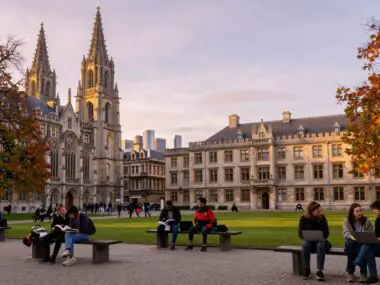
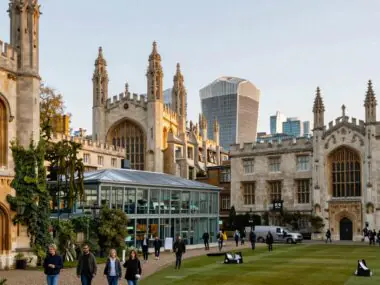
Denmark hosts eight public universities with global clout. University of Copenhagen leads at QS rank 101. Technical University of Denmark follows at 107. Aarhus sits at 131. These spots offer English programs and solid support for internationals.
Students praise how counselors refine applications and match them to fits. One got into a top program after rejection tweaks. Another secured housing and visa aid seamlessly.
Visit the official Study in Denmark portal for full program lists.
University of Copenhagen: Global Leader in Research
This top pick excels in sustainability and design. It offers 50+ English master’s programs. Rankings place it among Europe’s best for research impact.
International offices provide orientation, free Danish lessons for stays over six months, and career advice. Students settle fast with buddy programs pairing them to locals.
Technical University of Denmark (DTU): Engineering Excellence
DTU focuses on engineering and tech. Innovation hubs link students to industry. Grads land strong jobs in green energy and IT.
The university aids with housing hunts and residence permits. English programs dominate here, with hands-on projects from day one.
Tuition Fees and Cost of Living: What to Budget
EU/EEA students pay no tuition at public universities, just small fees. Non-EU pay 6,000 to 18,000 EUR yearly, based on program. STEM fields hit the higher end.
Living costs average 900 to 1,300 EUR monthly. Copenhagen tops at 1,000 to 1,300 USD equivalent. Smaller cities like Aarhus cut that by 20%.
Here’s a sample monthly budget:
| Category | Amount (EUR) |
|---|---|
| Housing | 400-800 |
| Food | 200-300 |
| Transport | 40-70 |
| Other | 100-200 |
| Total | 900-1,300 |
This totals about 12,000 USD yearly beyond tuition. Compare to the UK (15,000+ USD living) or US (20,000+). Plan for proof of funds in visa apps.
Scholarships and Financial Aid Options
Danish government scholarships cover tuition and some living costs for top non-EU talent. Universities like Aarhus offer their own waivers.
Check Aarhus Master’s site for details. Counselors spot these, as they do for global applicants, easing funding hunts.
Visa Requirements and How to Apply to Danish Universities
EU/EEA folks skip visas but register residence on arrival. Non-EU need a study residence permit before travel.
Key steps:
- Pick programs on optagelse.dk (up to eight apps).
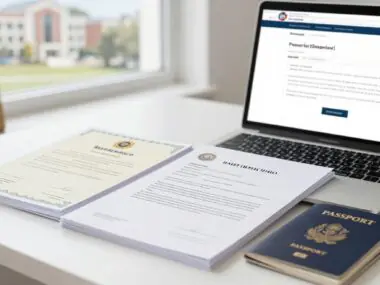
- Gather docs: transcripts, degree proof, English test (IELTS/TOEFL), motivation letter, finances, passport.
- Translate to English or Danish.
- Apply online; pay fee.
- Await permit (uni LOA helps speed it).
Universities guide through this. Processing takes 1-2 months.
Student Life in Denmark: Work, Housing, and Culture
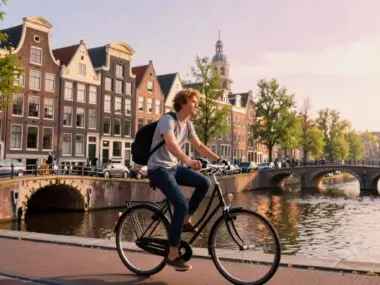
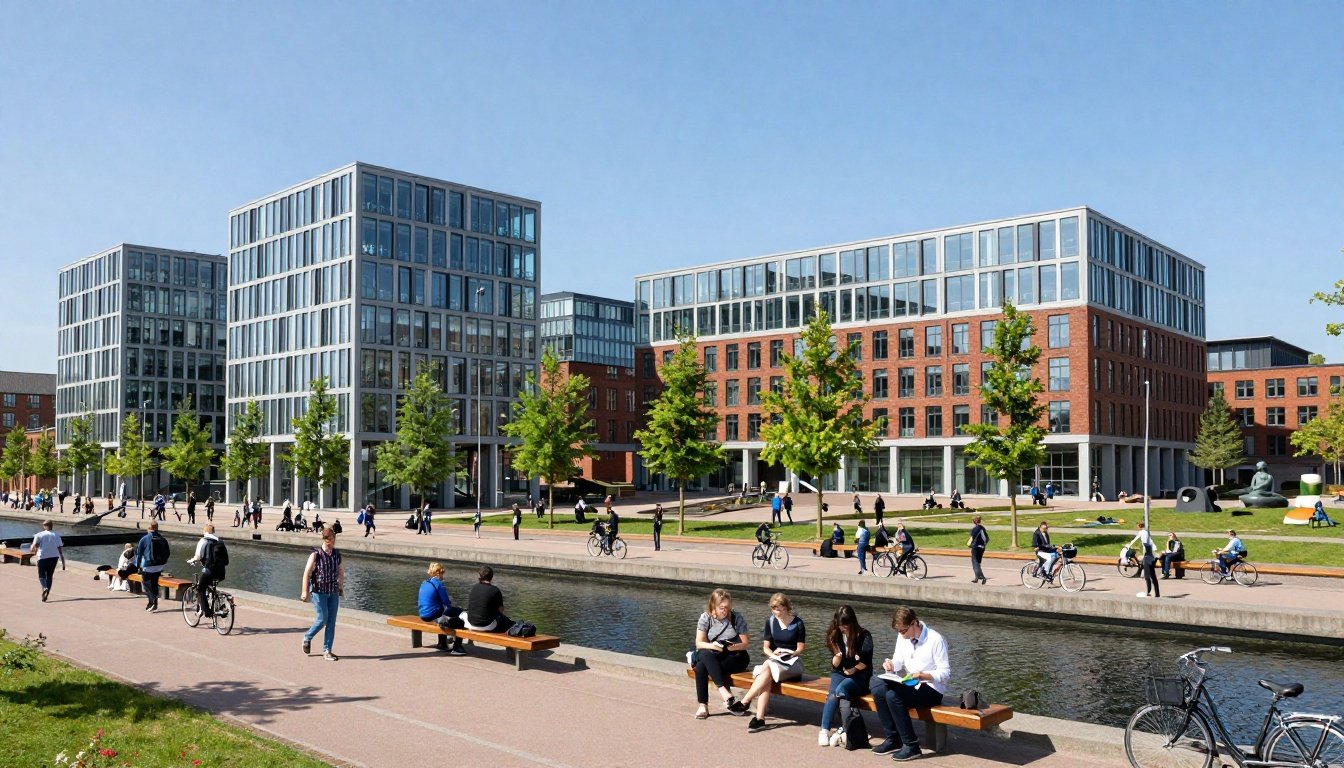
Denmark blends hygge coziness with bike culture. Copenhagen buzzes with cafes and events. International offices host welcome weeks.
Housing competes; apply early via uni dorms. Free Danish classes build ties. Students love the trust: leave bikes unlocked.
Counselors smooth visas and housing, per reviews. One said the process felt stress-free.
Part-Time Jobs and Work Permits for Students
Non-EU students work 20 hours weekly in term, full-time in summers. Jobs include cafes, tutoring, tech gigs. Wages cover much food or rent.
EU students face fewer limits. This offsets costs nicely.
Pros and Cons of Studying in Denmark
| Pros | Cons |
|---|---|
| World-class education | Cold, dark winters |
| Affordable for EU/EEA | Competitive housing |
| English programs abundant | Visa process for non-EU |
| Safe, high-quality life | Some programs in Danish |
Reviews note support trumps challenges. Grads thrive post-study.
Real Student Stories: Why They Chose Denmark
One student credited counselors for top uni offers after app tweaks. “They handled visas and housing; I settled fast.”
Another praised full guidance: “From program picks to scholarships, stress-free path to Aarhus.”
A third said, “Support turned overwhelm into smooth arrival in Copenhagen.”
These echo global tales where experts aid dream pursuits.
Conclusion
Is Denmark good for study? Yes, especially for EU/EEA students or engineering fans seeking quality and safety. Weigh winters and costs against strong unis and jobs.
Book free counseling for tailored Denmark advice. Verify fees and visas on official sites. Your study abroad starts now.


 Enu
Enu