 Enu
EnuImagine earning a world-class engineering degree in a city where historic castles meet modern innovation, all at a fraction of Western European costs. Budapest engineering universities draw students from around the globe with their strong programs, English instruction, and vibrant location. Schools like Budapest University of Technology and Economics (BME) and Óbuda University lead the pack, backed by QS rankings and Hungary’s engineering legacy.
This guide covers the top options, key programs, admissions, fees, living expenses, pros and cons, and application tips. You’ll get real insights from recent data to decide if Budapest fits your goals. Always check official university sites for the latest details, as requirements shift yearly.
Why Study Engineering at Budapest Universities in 2026
Budapest offers engineering education that rivals bigger names but costs less. Degrees here carry weight across Europe and beyond, thanks to Hungary’s long history in tech and manufacturing.
BME holds a QS World University Rankings 2026 spot in the 711-720 band globally, with engineering and technology in the top 300 worldwide. Óbuda shines in practical fields like IT and robotics. Both provide English-taught programs, perfect for internationals.
You save money compared to the UK or Germany. Tuition runs 3,000 to 7,000 euros yearly, and living stays affordable. The city buzzes with Danube views, thermal baths, and student events. Engineers thrive amid research labs and industry ties. Plus, central Europe means easy trips to Vienna or Prague.
Many students praise the support they receive. Counselors guide them from applications to visas, much like those who helped peers land spots at top schools. It’s a smart pick for quality STEM without breaking the bank.
Budapest University of Technology and Economics (BME)
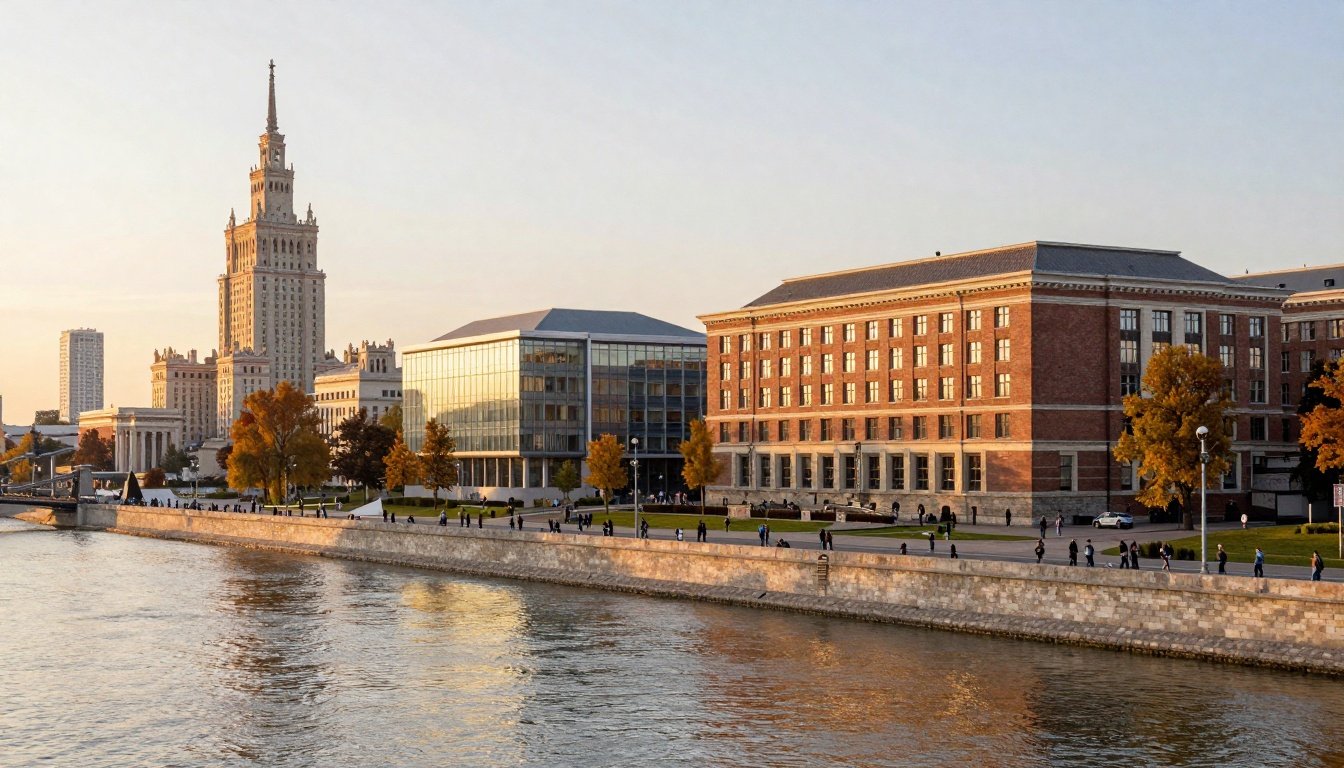
BME stands as Hungary’s flagship for engineering. Founded in 1782, it blends red-brick tradition with cutting-edge labs along the Danube.
This powerhouse excels in mechanical engineering, electrical, computer science, architecture, physics, math, and IT. Research centers tackle AI, renewables, and transportation. The campus hums with international students in modern facilities.
For more on BME’s global standing, see QS profiles. Its reputation draws firms like Bosch and Siemens for internships.
Classes emphasize projects and theory. Alumni build careers in Europe and Asia. BME suits ambitious minds ready for rigorous work.
BME Programs and Admission for International Students
Popular English BSc and MSc options include mechanical engineering, electrical engineering, computer engineering, civil engineering, chemical engineering, and mechatronics.
Admissions need a high school diploma for BSc or relevant bachelor’s for MSc. Expect strong math and physics grades. Prove English with IELTS 5.5-6.0 or TOEFL 60-72. Most face an online entrance exam in math and physics.
Submit transcripts, motivation letter, CV, passport, and sometimes medical proof. Apply November to April for fall start. Check Study in Hungary’s BME page for exact deadlines.
Tuition and Scholarships at BME
Non-EU tuition hits 3,000-4,500 euros per semester, or 6,000-9,000 yearly, depending on the program.
Stipendium Hungaricum covers full tuition, a monthly stipend of about 110-120 euros, dorm aid, and insurance for eligible countries. Apply via the official site in late fall.
University merit awards help too. Confirm rates on BME’s portal.
Óbuda University: Practical Engineering Focus
Óbuda offers a hands-on alternative to BME. Ranked in QS 1001-1200 range, it runs six engineering faculties with a focus on real-world skills.
Strengths lie in mechatronics, cybersecurity, robotics, and innovation management. Labs let students build robots and test networks. Smaller classes mean close mentor ties.
It’s ideal for those wanting applied learning over pure research. Partnerships with local tech firms boost job prospects. See EduRank’s Budapest engineering list for its solid position among locals.
Campus spreads across sites, easy by public transport. Students enjoy project-based courses that mimic industry.
Óbuda Engineering Programs for Internationals
English tracks cover electrical engineering, computer engineering, mechanical engineering, and standout mechatronics or robotics.
BSc needs high school math/physics focus; MSc requires related bachelor’s. English proof mirrors BME’s IELTS/TOEFL levels. Entrance tests or interviews apply.
Deadlines align with BME. Motivation letters highlight your fit.
Costs and Funding Options at Óbuda
Expect 3,000-4,000 euros per semester for non-EU, totaling 6,000-8,000 yearly.
Stipendium Hungaricum works here too, waiving fees and adding stipend. University scholarships reward high achievers. Verify on official pages.
Living Costs and Student Life in Budapest
Budapest keeps budgets in check. Monthly totals range 500-900 euros for modest living.
Rent a shared room for 250-400 euros; dorms cost 80-200. Food runs 150-250 euros cooking at home. Transport pass sits at 10-15 euros. Add 60-120 for extras.
It’s far cheaper than London or Paris. Students snag discounts on baths, museums, and cafes. Safety ranks high; English works on campuses.
Life mixes study and fun. Join ESN for trips, robotics clubs for hacks. International crowds ease homesickness. One student noted counselors made visas “hassle-free,” echoing tales of smooth transitions to engineering dreams.
Pros and Cons of Budapest Engineering Universities
Budapest engineering universities pack value, but weigh both sides.
Pros:
- Affordable tuition and living beat Western peers.
- English programs welcome globals.
- Strong rankings like BME’s QS spot ensure recognition.
- Central spot aids travel and networks.
Cons:
- Winters chill deep.
- Visa paperwork drags.
- Global alumni ties lag US/UK giants.
Students often succeed with expert help. Like one who clarified goals via counseling and nailed mechanical engineering entry, much as others did for top programs.
| Aspect | Pro | Con |
|---|---|---|
| Cost | Low fees, scholarships | Hidden admin charges |
| Academics | Practical labs, English | Intense math/physics load |
| Location | Vibrant, safe city | Bureaucratic visas |
| Career | EU job access | Smaller name abroad |
How to Apply and Get Started
Start by picking programs on university sites. Match your background to needs like math grades.
Gather docs: transcripts, English test, motivation letter, CV. Prep for entrance exams via practice tests.
Apply online by April. Secure acceptance, then visa with proof of funds and insurance.
Seek free counseling from study abroad pros. Teams like those aiding thousands mirror successes where students turned overwhelm into offers at places like BME. Book a chat for tailored steps.
Visa needs bank statements; start early.
Ready to Launch Your Engineering Career in Budapest?
BME and Óbuda top the Budapest engineering universities list for 2026, blending prestige, practicality, and price. BME suits broad ambitions; Óbuda fits hands-on types.
These schools open doors to EU tech jobs. Visit sites now, grab Stipendium details, and contact counselors. Your engineering path starts here; don’t wait, apply today.


 Enu
Enu