 Enu
EnuPicture this: You step off a plane in London or Sydney, ready for classes in a new culture. That dream starts with one application. If you’re a US student wondering how to apply to study abroad, this guide breaks it down. You’ll learn timelines for fall 2026 intake, key steps, costs, and real tips from students who’ve done it.
In December 2025, apps for next fall open soon. Many programs want submissions by January or February. Skip the overwhelm. Follow these steps to boost your odds of acceptance.
Why Study Abroad Right Now
US students gain global skills that stand out on resumes. Employers value the adaptability you build abroad. Plus, credits often transfer back home.
Programs mix classes, internships, and travel. Think business in Barcelona or engineering in Berlin. Over 300,000 US students went abroad last year. Join them for fall 2026.
Pick Your Destination and Program Type
Start with goals. Want full immersion? Choose direct enroll at a foreign university. Prefer support? Pick a provider-led program.
Popular spots for US students include the UK, Australia, Canada, Ireland, and New Zealand. UK unis like University of Birmingham draw many for masters in business or engineering.
Providers handle logistics. Check AIFS Abroad for award-winning options or CIEE programs with 470+ choices. They offer housing and excursions.

Key Deadlines for Fall 2026
Act fast. Campus study abroad offices open apps in December 2025. Early deadlines hit January; standard ones run to February or March.
Your home school sets the first deadline. Submit a request to study abroad there. Then apply to the host program. For example, Mount Holyoke lists fall 2026 requests open now.
Rolling admissions exist, but spots fill quick. Top providers like IES Abroad urge early apps for housing.
Documents You Need
Gather these early. Most programs require:
- Official transcripts showing good GPA (usually 3.0+).
- Personal statement (300-500 words on why this program).
- 1-2 recommendation letters from professors.
- Passport copy (valid 6 months past return).
- Proof of English skills if needed (TOEFL/IELTS, though many waive for US students).
Financial docs prove you cover costs. Health forms and insurance proof come later.
Step-by-Step: How to Apply to Study Abroad
Follow this process. Start 9-12 months ahead.
- Meet your campus advisor. Confirm credit transfer and eligibility.
- Research 5-10 programs. Use sites like GoAbroad for matches.
- Submit home school app by January 2026 deadline.
- Apply to host/provider. Upload docs online.
- Wait for acceptance (2-8 weeks). Pay deposit.
- Get pre-approval for courses from your major advisor.
Before paying: Check refund policy, total costs, and reviews. 7. Arrange visa and flights. 8. Attend orientation.
For details, see CIEE’s how-to-apply guide.

Handle Visas and Proves Funds
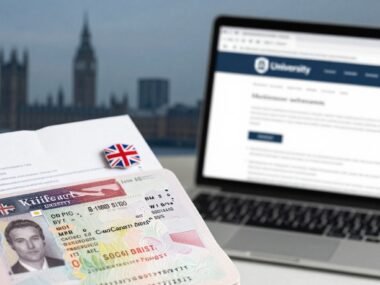
US students need visas for stays over 90 days. After acceptance, get a visa support letter.
Steps: Gather acceptance, finances (bank statements), and passport. Book embassy interview early (slots busy June-August). Fees run $160-500 per country.
UK Tier 4 or Australia subclass 500 common. Providers like CEA CAPA guide you.
Budget Breakdown and Funding
Expect $15,000-40,000 for semester. Breakdown:
| Item | Estimated Cost |
|---|---|
| Program tuition | $10,000-25,000 |
| Housing/meals | $4,000-8,000 |
| Flights | $800-2,000 |
| Visa/insurance | $500-1,500 |
| Books/extras | $1,000-2,000 |
FAFSA aid applies if credits transfer. Hunt scholarships via Fulbright checklists. Services like StudyIn offer loans and vouchers.
Lessons from Real Students
Students rave about support. One got into Leeds Beckett for occupational therapy after SOP help and seminars. Applied to five UK schools; accepted to all.
Another landed at University of Birmingham for mechanical engineering. Consultants handled apps, visas, and housing. “Stress-free,” they said.
Over 52,000 reviews praise quick service and university ties. Teams guide from inquiry to enrollment.
Avoid These Pitfalls
Missed deadlines kill dreams. Double-check each program’s dates.
Skip advisor chats at your peril; credits won’t transfer. Apply for aid early.
Don’t ignore finances; prove funds for visas or face delays.
Final Push: Your Next Move
To apply to study abroad in 2026, start today. Research programs, meet advisors, and hit those January deadlines. You’ve got the steps; now take action.
Book a free consult with experts or browse providers. Your global adventure waits. What’s your top destination? Share below.


 Enu
Enu