 Enu
EnuDutch visa assistance can mean very different things, from using an official visa application centre to paying a private agent to “handle everything”. This listicle breaks down what actually helps, what doesn’t, and what to check before you spend money.
You’ll learn how the Netherlands process works for short stays (Schengen visa) and long stays (MVV and residence permit), what documents usually trigger delays, and how to compare assistance options with less stress. Always confirm prices and policies on the Dutch Immigration Authority site.
Quick Answer (Read This First)
- Getting a visa is mostly about preparation, correct documents, and booking an appointment early, not “speeding up” a decision.
- For many countries, you submit biometrics and documents through an official visa application centre, then the government decides.
- Short stay usually means a Schengen visa (up to 90 days in any 180-day period).
- Long stay often involves MVV first, then a residence permit after arrival, depending on your nationality and purpose.
- Plan for extra time in peak seasons, processing can stretch when extra checks are needed.
- Keep your story consistent across forms, letters, bookings, and bank statements.
- Only pay for immigration experts, not for promises of outcomes.
What Is VFS Global and What Does It Do?
VFS Global, similar to TLScontact, is a service provider that collects visa applications, documents, and biometrics for many Dutch visa applicants outside the Netherlands. It manages appointments, intake checks, and tracking, depending on your location.
It doesn’t decide if you get the visa. The decision is made by the Dutch authorities, and timelines can change based on workload and checks.
If you feel stuck, start by understanding which parts are “admin tasks” (appointments, forms, biometrics) and which parts are “decision tasks” (eligibility and approval). Paying for help only improves the admin side.
A practical starting point is the official VFS flow for your country, see the VFS Netherlands visa portal.
Key Features for Dutch Visa Applications
- Visa type clarity (Schengen visa vs MVV visa vs residence permit) before you book anything.
- Document checklists that match your purpose (tourism, business visa, family reunification, study, work).
- Appointment support (finding the right centre, correct category, correct add-ons).
- Form accuracy checks (dates, names, passport details, travel history).
- Financial and itinerary consistency checks (funds, bookings, sponsor letters).
- Status tracking help (knowing where to track and when to wait).
- Refusal-ready file building (so an appeal or reapply is easier).
1. Start with the right visa type (short stay vs long stay)
Most wasted time in visa processes comes from choosing the wrong route. A short stay is usually a Schengen visa. A long stay is usually a residence permit process, and you may need an MVV entry sticker first.
If you’re staying over 90 days for work (like Highly Skilled Migrant schemes with a Recognised Sponsor), study, or family, the MVV and residence permit path matters more than the Schengen checklist. For MVV basics and when it applies, use the IND MVV overview.
2. Use the government steps, not random checklists
Private checklists often miss small details that cause big delays, like photo rules, passport age rules, and which documents need legalisation. Government pages are less “friendly”, but they’re built for your exact situation.
If you’re applying from outside the Netherlands, you’ll usually find clear steps by country on NetherlandsWorldwide. It’s one of the most reliable anchors for Dutch visa applications.
3. Build a “consistent story” file (the #1 delay blocker)
A strong application reads like one story told the same way everywhere. Your dates, cities, employer letter, hotel bookings, and bank statements should all match.
Consistency is where paid assistance can be worth it, if the provider actually reviews details instead of only uploading forms. Even small mismatches can trigger extra checks, which can extend timelines.
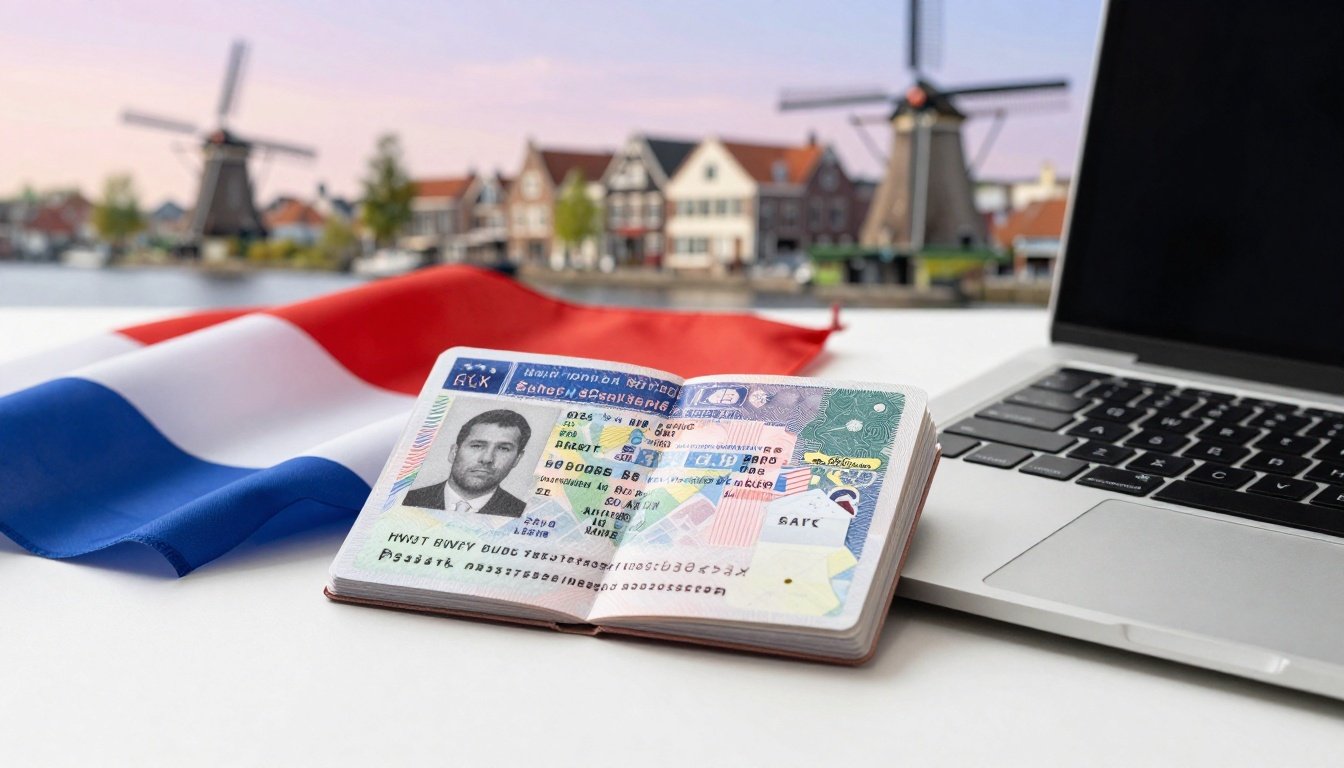
Image suggestion: A one-page “visa document checklist” photo showing passport, insurance certificate, bank statements, and appointment confirmation on a desk.
Step-by-Step: How to Use VFS Global
- Confirm if you apply through an application centre or a Dutch embassy for your country.
- Pick the correct category for your purpose of travel, then start the visa application.
- Prepare documents using the official checklist for that purpose.
- Book an appointment as early as possible, earlier is safer than “15 days before”.
- Attend in person for biometrics and document submission, unless your route states otherwise.
- Keep copies of everything, including the final submission set.
- Track the application using the official tracking option and wait for updates.
- When you get the decision, review the visa sticker details right away (names, dates, entries).
Before you pay (mini checklist):
- You’ve confirmed the official application path for your nationality and country of residence.
- You know which fees are mandatory and which are optional services.
- You have a clear refund and cancellation policy for any paid help.
- You’re not paying for “guarantees” or promised approval; verify work authorization after receiving the decision.
For a clear official walkthrough, use the VFS step-by-step guide.
Pricing, Fees, and What “Cheap” Really Means
“Cheap” Dutch Visa Assistance often turns expensive after add-ons. Total cost can include the visa fee, service fees, photos, courier returns, translations, legalisation, travel insurance, and appointment-related extras.
Example calculation (example only): Visa fee + service fee + travel insurance + photo service + courier return can add up fast, even if the “assistance fee” looked low. Cheap help is only a win if it prevents a refusal, a reapply, or a missed trip.
Also remember that long-stay routes can include IND fees, salary criteria for eligibility checks, and post-arrival costs (like municipality registration steps). Always confirm current fees on official pages before paying anyone.
Pros and Cons
PointProsConsUsing official centresClear process, predictable stepsAppointment scarcity in peak periodsPaying for document reviewCatches errors early, ensures legal complianceQuality varies a lotFull-service agentsSaves your time on corporate immigrationSome oversell influence they don’t haveDIY + official checklistLowest cost, full controlEasy to miss details if you rushPremium add-onsComfort, easier logisticsDoesn’t mean faster decisions
Common Mistakes (and How to Avoid Them)
- Booking flights too early: use reservations that fit the process, avoid non-refundable pressure.
- Weak financial proof: show clear income and balances, not confusing transfers.
- Missing travel insurance rules: ensure Schengen visa-valid coverage and dates match your itinerary.
- Mismatched dates: forms, employer letters, and hotel bookings must align.
- Wrong visa category: business traveler vs tourist vs family visit changes the file.
- Poor photo specs: wrong size or background can force re-submission.
- Applying too late: leave room for appointment delays and extra checks.
- Not keeping copies: always store a full PDF set of what you submitted.
Is dutch visa assistance Legit and Safe?
Visa assistance for the Netherlands is legit when it’s transparent about its role. The Dutch Immigration Authority oversees official partners that collect documents and biometrics, but they don’t control outcomes. Private services can be safe too, but only if they’re clear about what they do, how they handle data, and what happens if you cancel.
Check these basics before you share documents or pay:
- A real support channel and written terms (not only chat promises).
- Clear refund rules and cancellation rules, including booking fees.
- Who submits the application, and whether you keep access to the account.
- Whether they claim they can “influence” the decision (that’s a red flag).
For timing expectations and what “normal” looks like, see the official guidance from the central immigration offices in The Hague on Netherlands visa decision times.
Tips to Get Better Deals
- Pay only for the step you need (form review, translation check, appointment help).
- Avoid bundles that include “priority decision” claims, decision speed isn’t for sale.
- Compare at least two providers’ refund terms before paying.
- Ask what happens if you can’t get an appointment date you want.
- Keep control of your email and application login, don’t hand over ownership.
- Don’t pay extra for “premium lounge” unless comfort matters to you.
- Use travel insurance that meets Schengen rules, but compare prices.
- For those traveling for cross-border projects, handle Posted Worker Notification yourself to avoid agency fees.
- If translations are required, price certified translation early.
- Schedule document printing and photos ahead for long-term planning like residency in the Netherlands, last-minute fees add up.
- Save every receipt and confirmation, it’s useful if you dispute charges.
FAQs
Can professional assistance speed up my visa decision?
It can reduce mistakes and prevent delays, but it can’t force a faster decision.
Should I apply for a Schengen visa or MVV visa?
Schengen visa is for up to 90 days in any 180-day period. MVV is tied to stays over 90 days, such as for an EU Blue Card or intra-company transfer, often linked to a residence permit.
What’s the biggest reason applications get delayed?
Extra checks caused by unclear purpose, missing documents like a work permit, or mismatched information.
Do optional services mean higher approval chances?
No. Optional services may help with comfort or admin, not approval.
Can I cancel paid dutch visa assistance?
It depends on the provider’s cancellation policy. Always read it before payment.
How do I track my application safely?
Use the official tracking method given after submission, and keep your reference number private.
Is it better to apply direct or use an intermediary?
Direct is often fine if you can follow checklists and stay organized. Intermediaries can help if language, documents, or timelines are hard for you.
What changes should I watch for in late 2026?
ETIAS is expected for many visa-exempt travellers. It’s not a visa, but it’s an extra step to plan for.
Conclusion
Dutch Visa Assistance works best when it’s focused on accuracy, not promises. The real advantages are choosing the right route (Schengen visa vs MVV visa), building a consistent file, and booking early.
If you’re comparing options, pick help that shows you the exact steps, costs, and refund rules in writing, then use official sources to confirm details. Transparent assistance should make the process clearer and calmer, not more confusing, paving the way for your long-term immigration journey toward temporary residency, permanent residency, and Dutch citizenship.

 Enu
Enu