 Enu
EnuPoland visa services can mean two different things, the official way to apply (embassy, consulate, or an authorized visa application center), and paid help (form checks, document sorting, courier return). This guide explains both, so you can pick the right route for your trip and budget.
You’ll also see what usually drives the final price, how appointments and biometrics work, and what to double-check so you don’t lose time. Always confirm prices and policies on the official site.
Quick Answer (Read This First)
- Poland uses Schengen visas (Type C) for stays up to 90 days in any 180-day period, and national visas (Type D) for stays over 90 days (often up to 1 year).
- Most applications go through a Polish embassy/consulate or an authorized partner center in your country (often VFS Global), not “any visa agent.”
- Core documents are similar across types: valid passport, application form, photo, proof of funds, travel plan, and insurance (for Schengen, typically EUR 30,000 minimum coverage).
- Fees can change and can differ by location, but as of January 2026 updates, the Schengen (C) fee is EUR 90 and the national (D) fee is EUR 200 (service fees are extra where centers are used).
- For many countries, you must book first and show up in person for biometrics; walk-ins are rare.
- If you’re visa-free, watch for ETIAS timing (expected mid-2026 or later). It’s not a visa, but it can become a required travel authorization.
- The safest Poland visa services are the official channels and authorized centers, because they can take biometrics and submit your file correctly.
- Tracking is usually done with a reference number given after submission (method depends on where you applied).
What Is VFS Global and What Does It Do?
VFS Global is a service company that supports visa processing for certain governments in certain countries. For Poland, it often acts as an official intake point where you can submit your application, provide biometrics, and use paid add-ons.
It doesn’t decide your visa outcome. The Polish consulate makes the final decision, and the rules come from official consular guidance, not the service center.
What you’re really paying for with this type of Poland visa services setup is access to the intake process and practical support (appointments, document handling, courier return, status updates).
If your country uses VFS for Poland, you’ll usually start with their appointment and application flow, then submit in person.
Key Features of poland visa services
- Appointment-based submission for most applicants (especially where VFS runs centers).
- Biometrics collection (fingerprints and photo) when required for Schengen.
- Clear visa category selection (tourism, business, visit, medical, study, work).
- Optional paid services (SMS updates, courier return, form-filling support, premium lounge in some locations).
- Application tracking with a reference number once your file is accepted.
- Basic document checks for completeness (not a legal review or approval promise).
- Multiple locations per country in some markets (useful for territorial jurisdiction rules).
Step-by-Step: How to Use VFS Global (Poland application route)
- Pick the visa type you actually need, Schengen Type C for short stays, national Type D for long stays.
- Confirm where you must apply, based on your residence and the consulate’s jurisdiction rules.
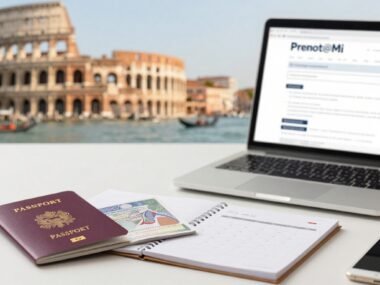
- Book your slot through the official booking path used in your country, for example via VFS appointment booking for Poland.
- Prepare your documents in the format requested (order, copies, translations if required).
- Attend the appointment and submit your file, biometrics are taken if required.
- Pay the fees you’re instructed to pay (visa fee plus any service fees).
- Track your application using the reference details provided after submission.
- Collect your passport or receive it by courier, depending on your chosen option and local rules.
Before you pay:
- Confirm the visa category matches your trip purpose and dates.
- Check passport rules (age of passport, blank pages, validity after departure).
- Confirm travel insurance meets Schengen coverage expectations.
- Make sure your proof of funds matches your planned length of stay.
- Read the refund and cancellation rules for appointments and add-on services.
Pricing, Fees, and What “Cheap” Really Means
When people compare Poland visa services, they often compare only the headline fee. The real total cost is usually the visa fee plus the costs created by your trip plan and the support you buy.
For a Schengen file, your total cost usually includes the visa fee, travel insurance, photos, document printing, courier return (optional), plus any paid appointment services if offered in your country. For a national visa, add costs tied to your purpose, like legalized documents, translations, or proof of accommodation.
As of 2026 updates referenced in public guidance, the Schengen (Type C) visa fee is EUR 90, and the national (Type D) visa fee is EUR 200. Service center fees, courier fees, and premium options vary by country and are usually non-refundable.
Example total (example only):
- Schengen Type C fee: EUR 90
- Travel insurance: depends on provider and trip length
- Optional center services (SMS/courier): depends on country
The “cheap” option is often “no add-ons,” but it’s only cheap if your file is correct the first time.
Pros and Cons
| Option within Poland visa services | Pros | Cons | Best for |
|---|---|---|---|
| Applying via embassy/consulate | Direct, fewer middle steps | Harder appointment access in some places | People who want minimal add-ons |
| Applying via authorized center (often VFS) | Clear intake process, biometrics handled, tracking | Extra service fees, strict appointment rules | Most applicants in VFS markets |
| Using paid form-filling add-ons | Reduces basic errors | Doesn’t guarantee approval | First-time applicants |
| Courier return | Saves time | Extra cost, address rules | Busy travelers |
| Premium lounge (where available) | Comfort, faster on-site experience | Higher price | People who value time and comfort |
Common Mistakes (and How to Avoid Them)
- Picking the wrong visa type (C vs D), fix it by matching your stay length and purpose first.
- Submitting a weak itinerary, fix it with consistent dates across flights, hotels, and leave letters.
- Missing insurance details, fix it by confirming coverage meets Schengen expectations (medical and repatriation).
- Bank statements that don’t match the trip plan, fix it with clear, steady proof of funds and a simple explanation.
- Inconsistent purpose story (tourism vs business), fix it by aligning invitation letters and bookings.
- Booking the wrong jurisdiction, fix it by confirming where your residence must apply.
- Bringing originals but no copies (or vice versa), fix it by following the center’s checklist exactly.
- Paying for add-ons before confirming rules, fix it by reading cancellation and booking fees policies first.
- Assuming “agent help” replaces the official process, fix it by using only official channels for submission.
Is poland visa services Legit and Safe?
Poland visa services are legit when they mean official consular processing or authorized submission partners that the government uses in your country. That includes using an official portal, the embassy/consulate, or an official visa application center that collects biometrics and forwards files.
Safety comes down to basic checks. Confirm the ticket issuer for any paid service, confirm the support channel is the real one, and confirm refund rules for cancellations and booking fees before payment. Don’t share passport scans or bank statements with random third parties that can’t submit your application anyway.
For official context on visas used for study stays, see Study in Poland visa guidance, then verify details with your local consulate rules.
Tips to Get Better Deals
- Apply early, last-minute rush usually costs more in courier and rebooking.
- Skip premium services unless you know you’ll use them.
- Use one clean document set, duplicates and mismatched pages often cause rework.
- Book refundable hotels only if your plan might change.
- Avoid paying for “guaranteed approval” claims, approvals aren’t for sale.
- Compare insurance based on coverage and exclusions, not just price.
- Keep your trip dates realistic, extreme “30-day tourism” plans can raise questions.
- Use electronic bank statements only if they’re accepted in your location.
- If you must rebook, rebook once with final documents ready to avoid repeated booking fees.
- Keep a simple cover letter that matches all documents (purpose, dates, funding).
FAQs
1) What are the main types of visas for Poland?
Most travelers apply for Schengen Type C (short stay) or national Type D (long stay). Your purpose and length of stay decide which one fits.
2) How long can I stay on a Schengen visa for Poland?
Up to 90 days within any 180-day period across the Schengen area, not just Poland.
3) Do I always need an appointment?
In many countries, yes. Authorized centers often accept applications only with a prior booking.
4) What documents are “core” for most applications?
Passport, application form, photo, proof of funds, trip plan, and insurance for Schengen. Type D adds purpose documents like a work or school basis.
5) Are visa fees refundable if I’m refused?
Visa fees are generally non-refundable. Service add-ons and booking fees usually have their own cancellation rules.
6) Can a visa service guarantee approval?
No. A service can help reduce errors, but only the consulate decides.
7) Do children need biometrics?
Rules vary, but Schengen biometrics often have age-based exemptions. Confirm locally before the appointment.
8) Should I apply direct or use a center?
Use the channel required in your country. If an authorized center is the intake route, that’s the correct path.
Conclusion
Poland visa services work best when you treat them as an official process first, and a convenience upgrade second. Start by choosing the correct visa type, then apply only through the embassy/consulate or the authorized center used in your country.
If you’re comparing options, compare the true total cost, including visa fee, insurance, courier, and booking fees. For most people, the best next step is booking the correct appointment route and building a consistent, complete document file for a single clean submission using Poland visa services.


 Enu
Enu