 Enu
EnuPlanning a trip and trying to pin down visa application Philippines requirements can feel messy because rules change by nationality, purpose, and length of stay. This guide lays out the common requirements, plus the extra documents you’ll need for popular visa types.
Always confirm prices and policies on the official site.
Quick Answer (Read This First)
- Many travelers (including Norwegian citizens) can enter visa-free for up to 30 days for tourism, if they meet entry rules and have an onward ticket.
- Your passport usually needs at least 6 months validity beyond your planned departure date.
- You may need to complete an online arrival registration (eTravel) before flying.
- If you can’t enter visa-free or you want a longer stay, you’ll usually apply for a temporary visitor visa (often called 9A) through a Philippine Embassy/Consulate or approved online channels.
- Typical visa application Philippines requirements include a form, photo, passport, itinerary, and proof you can pay for the trip.
- Immigration at the airport has the final say, even if you have a visa.
- If you’ll extend, do it before you overstay, extensions are handled in the Philippines through the Bureau of Immigration.
- If you’re unsure which path fits, start with the government portal policy notes on Philippine eVisa eligibility and rules.
What Is Philippine Visa Online Portal (evisa.gov.ph) and What Does It Do?
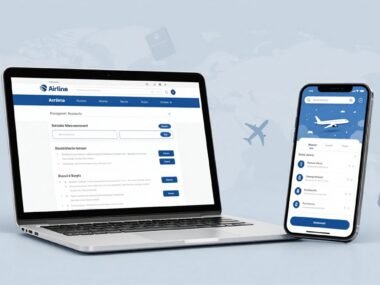
The Philippine Visa Online Portal is an official online channel that supports e-visa applications for eligible travelers, based on nationality and purpose. It’s designed to reduce paperwork and limit in-person visits, when online filing is offered.
It doesn’t replace all embassy applications. Some applicants still need to apply through a Philippine Embassy or Consulate, depending on where they live and what visa they need.
It also comes with important limits. For example, published policy notes can restrict extension or conversion rules for certain e-visas, so you should read the conditions before you apply.
For travelers comparing options, it helps to treat the portal as one valid route, not the only route, for meeting visa application Philippines requirements.
Key Features of Visa Application Philippines Requirements
- Clear passport standards (validity, condition, and available blank pages).
- Standard application forms, usually from the embassy or consulate handling your case.
- Photo rules (size, background, and recency) that can cause delays if ignored.
- Proof of onward travel, often required even for visa-free entry.
- Proof of funds (bank statements, sponsor papers, or other financial evidence).
- Purpose-based documents (tourism, business, study, work, or family-related papers).
- Possible extra checks for longer stays, like medical and police documents.
1. Start With the Two Big Questions (Nationality and Length of Stay)
Most confusion around visa application Philippines requirements comes from skipping the basics. First, confirm your passport nationality rules and how long you’ll stay.
For many nationalities, the Philippines allows visa-free entry for short tourism visits. Real-time government guidance for 2026 travel planning often highlights a 30-day visa-free stay for Norwegians, with an onward ticket and valid passport.
If you’ll stay longer than your visa-free window, or your nationality is visa-required, you’ll move into a formal visa process (commonly a 9A temporary visitor visa).
2. Know the Main Visa Types You’ll See (So You Pick the Right Checklist)
The Philippines uses different visa categories for different purposes. For most travelers searching visa application Philippines requirements, these are the big ones:
- Temporary Visitor Visa (9A): tourism, family visit, short business meetings.
- Transit Visa (9B): for travelers who must clear immigration during transit.
- Student Visa (often referenced as 9F): for approved study programs.
- Work-related visas: typically sponsored and document-heavy.
- Immigrant and resident visas: for marriage, family ties, or long-term residence.
Some consulates publish plain-language overviews that help you compare entry options, including Balikbayan notes for eligible former Filipinos and family. See the overview on Philippine visa rules and Balikbayan privilege.
3. Passport Requirements (The Non-Negotiables)
A valid passport is the base of all visa application Philippines requirements. Many official sources and consular pages repeat the same core rule: keep at least 6 months validity beyond your intended departure.
Also check condition. Tears, water damage, loose pages, and unreadable data pages can lead to refusal at the airline counter or problems at entry.
Bring copies too. Many applications ask for the bio page photocopy, plus copies of previous visas or entry stamps if relevant.
4. Application Form Requirements (Where Most Errors Happen)
For visa-required travelers, the form is a common rejection point. Use the form provided by the embassy or consulate handling your location, not a random template.
Fill it in consistently. Names, passport numbers, and dates must match your passport exactly. If your application asks for local contacts in the Philippines, use real details that match your accommodation proof.
Keep a copy of everything you submit. It helps if the consulate requests clarifications later, and it keeps your story consistent.
5. Photo Requirements (Small Detail, Big Delays)
Photo specs vary by post, but the common pattern is strict: recent photo, plain white background, clear face, and no heavy editing.
Some posts also require a specific size and may reject selfies or low-quality prints. To avoid rework, use a studio and ask for visa photos, then keep extra copies for backups.
If you’re aiming for a smooth process, treat photo specs as core visa application Philippines requirements, not an optional detail.
6. Proof of Onward Travel and Trip Plan
Onward travel is a frequent requirement, even for visa-free entry. Many travelers use a round-trip ticket, but onward tickets can also work if they clearly show departure within the allowed stay.
Your trip plan should match your purpose. For tourism, include hotel bookings or a host’s address. For business, include meeting details and an invitation letter.
7. Proof of Funds and Sponsor Documents (If You’re Not Self-Funding)
Proof of funds often includes recent bank statements (commonly 3 to 6 months), proof of income, or other evidence you can cover your stay. There’s no single global minimum that fits everyone, so focus on clarity and consistency.
If someone else pays, you’ll usually need sponsor paperwork. That can include a notarized affidavit of support plus the sponsor’s bank statements and proof of legal status where they live.
This is one of the most important visa application Philippines requirements because it ties directly to return risk in the eyes of visa officers.
Step-by-Step: How to Use Philippine Visa Online Portal (evisa.gov.ph)
- Confirm your nationality is eligible for the online portal and check policy limits.
- Choose the correct visa type and purpose, then review the required documents list.
- Prepare clean scans of your passport bio page and supporting documents.
- Fill out the application carefully, keeping names and dates identical to your passport.
- Upload documents, then review each file for readability before final submission.
- Pay the required fee (if applicable) using the accepted payment method shown on the portal.
- Track updates using the portal status tools and your email notices.
- Print or save the issued e-visa, then keep it ready for airline check-in and arrival.
Before you pay:
- Double-check passport validity and passport number.
- Confirm your travel dates match your onward ticket.
- Make sure uploaded images are clear and not cropped.
- Re-read the policy note on extension or conversion limits for your visa type.
Pricing, Fees, and What “Cheap” Really Means
People often search visa application Philippines requirements while also hunting for the cheapest route. The catch is that “cheap” isn’t just the visa fee.
Total cost usually includes visa fee (if needed), photo costs, document printing, courier fees (if mail-in), and travel changes if your dates shift. If you apply through a consulate, you may also have service or processing fees depending on location.
Example calculation (example only): visa fee + photo fee + courier return envelope fee + bank fees for international payment can add up more than you expect, even if the visa itself looks low-cost.
Pros and Cons
| Approach | Pros | Cons | Best for |
|---|---|---|---|
| Visa-free entry (if eligible) | No visa paperwork upfront | Strict day limit, onward ticket expected | Short tourism trips |
| Embassy/consulate 9A visa | Clear process, human review | More documents, possible mail-in delays | Longer stays or visa-required travelers |
| Online e-visa (if eligible) | Apply from home, fewer visits | Not available to all, policy limits | Eligible nationalities |
| Extension inside PH | More time without reapplying abroad | Costs money, must apply before expiry | Travelers who decide to stay longer |
| Sponsor-backed application | Helps if you lack funds proof | Extra paperwork and scrutiny | Visiting family or hosted travel |
Common Mistakes (and How to Avoid Them)
- Submitting the wrong form version, use the post’s official form and checklist.
- Passport validity too short, renew before you start the process.
- Mismatch between dates on your form and your ticket, fix consistency before submission.
- Blurry document scans, rescan in good light at high resolution.
- Weak proof of funds, show steady balances and clear income sources.
- Missing host details when staying with family, include address and proof of relationship if asked.
- Assuming a visa guarantees entry, keep your documents ready for arrival screening.
- Waiting too late to extend, apply before your authorized stay ends.
Is visa application Philippines requirements Legit and Safe?
Searching “is visa application Philippines requirements legit” usually means you’re trying to avoid scams and fake portals. The safe route is to use official government and consular sites, then confirm the submission channel they list.
Check the ticket issuer rule too, airline staff may ask for proof of onward travel and your valid visa or visa-free eligibility. Also confirm your support channel, if you’re applying online, know exactly where official status updates come from.
If you’re comparing services, treat refund policy and cancellation terms as part of safety. Keep receipts, emails, and screenshots of submitted documents.
Tips to Get Better Deals
- Lock in flight dates before you pay non-refundable visa costs.
- Avoid last-minute courier shipping, it’s expensive.
- Batch document printing, photos, and copies in one visit.
- Use a local photo studio that knows visa specs.
- Keep a digital folder for every trip version so you don’t pay to reprint.
- Don’t buy flexible flights unless you truly need them.
- If you may extend, budget for extension fees early.
- Choose accommodation with free cancellation until your entry plan is firm.
- Travel with a printed onward ticket, it can reduce airport stress.
- Track embassy holiday closures, it affects processing time.
FAQs
Do I need a visa to visit the Philippines from Norway?
Many Norwegian passport holders can enter visa-free for short tourism stays, but you still need to meet entry rules like passport validity and onward travel.
What are the core visa application Philippines requirements for a tourist visa?
Common basics include a valid passport, completed form, photo, proof of travel plans, and proof of funds. The exact checklist depends on the consulate and your nationality.
Can I extend a visa-free stay in the Philippines?
Extensions are handled inside the Philippines through immigration offices, and rules depend on your entry status and nationality.
Is an e-visa guaranteed entry at the airport?
No. Immigration officers at the port of entry decide admission, even if you hold an approved visa.
Do I need travel insurance for the Philippines?
It’s often recommended for medical coverage, but requirements depend on your situation and current rules.
Should I apply online or through an embassy?
Use the channel that matches your nationality and visa type. Some travelers are eligible online, others must apply through a consulate.
Conclusion
Getting visa application Philippines requirements right is mostly about matching your nationality, purpose, and length of stay to the correct checklist, then submitting clean, consistent documents. The biggest wins come from valid passport timing, clear proof of onward travel, and solid proof of funds.
For your next step, confirm your eligibility on official sources, then build your documents around the exact requirements for your consular post or the online portal, and keep copies ready for arrival checks.

 Enu
Enu