 Enu
EnuPlanning a move to Canada for work? The Canada work permit processing time tops the list of concerns for many applicants. In January 2026, times vary by application type, location, and stream, but most hover around 21 weeks for outside submissions.
This guide breaks down current waits, factors at play, and steps to avoid delays. You’ll get real data from official sources, plus tips to keep your plans on track. Always check the official IRCC processing times tool for your specific case, as numbers shift with volume.
Quick Overview of Processing Times
Canada’s Immigration, Refugees and Citizenship Canada (IRCC) updates processing times monthly. Right now, expect these averages.
General work permits from outside Canada take about 21 weeks. Inside Canada, it’s often faster at 130 days or so.
Labour Market Impact Assessments (LMIAs), needed for many employer-sponsored permits, differ by stream:
| Stream | Processing Time |
|---|---|
| Global Talent | 10 business days |
| Agricultural | 14 business days |
| Seasonal Agricultural | 10 business days |
| High-wage | 46 business days |
| Low-wage | 44 business days |
| Permanent Resident | 266 business days |
These reflect January 2026 data. Submit complete applications to hit these marks.
Types of Work Permits and Their Timelines
Work permits fall into LMIA-based or LMIA-exempt categories. LMIA-based ones require employer proof of no Canadian available for the job.
LMIA-exempt options, like those under International Experience Canada or intra-company transfers, process quicker. Spousal open work permits average 4 months.
Post-graduation work permits for students wrap up in 100-180 days. Each type has unique rules, so match your situation early.
Inside Canada vs. Outside: Key Differences
Applying from within Canada speeds things up. You can often keep working under implied status while waiting.
Outside applicants face longer queues due to higher volumes. Ports of entry submissions process in days if eligible, but plan ahead.
Families note smoother paths with complete docs. One worker shared how patient visa support turned a tight timeline into approval.
Recent Changes Impacting 2026 Timelines
January 9, 2026, brought big news. IRCC resumed low-wage LMIA processing in eight cities: Vancouver, Winnipeg, Kingston, Halifax, Moncton, Saint John, Fredericton, and Montréal.
Previously frozen areas now move forward. Agriculture, construction, and health roles stayed open all along.
Factors That Speed Up or Slow Down Processing
Volume spikes delay everything. Complex cases, like missing biometrics or funds proof, add weeks.
Complete apps process fastest. Biometrics take 30 days extra if needed.
Location matters too. Atlantic provinces often clear quicker than Ontario hubs.
How to Check Your Personal Processing Time
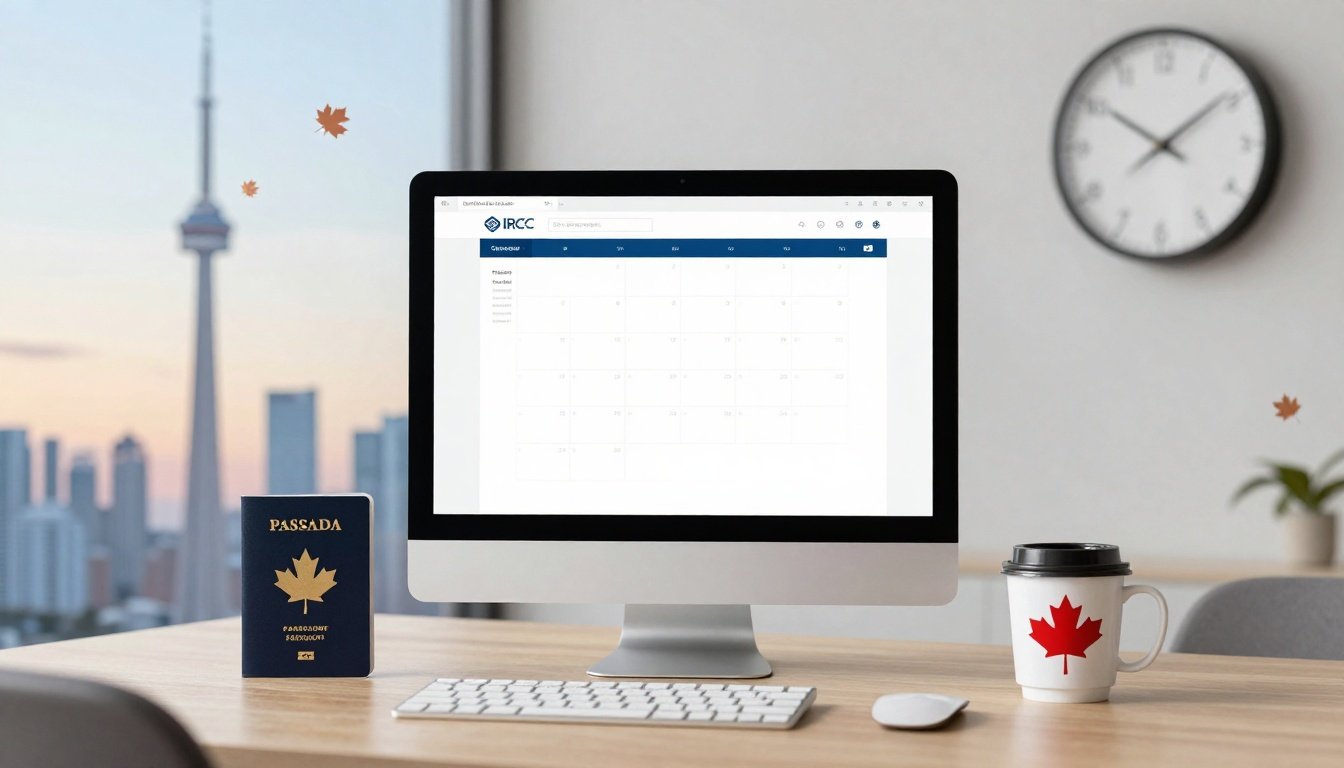
Use IRCC’s online tool. Select your type, office, and country.
Log into your account for status updates. Emails flag requests for more info.
Track weekly. Delays beyond estimates? Contact via web form.
Step-by-Step Guide to a Faster Application
Start early. Here’s how.
- Confirm eligibility on IRCC site.
- Gather passport, job offer, LMIA if needed.
- Pay fees online ($155 base, plus biometrics).
- Submit via portal or mail.
- Give biometrics within 30 days.
- Monitor status weekly.
Before submitting: Proofread docs, verify funds, get translations.
Work Permit Extensions: What to Know
Need more time? Apply 30 days before expiry.
Processing mirrors new apps but prioritizes in-Canada filers. One consultant noted full support from apps to visas made it smooth.
Common Delays and How to Dodge Them
- Incomplete forms: Double-check fields.
- Wrong office: Use IRCC selector.
- Missing police checks: Get early.
- Biometrics lapse: Book promptly.
- Funds shortfall: Show bank statements.
Workers praise responsive teams that spot issues fast.
Costs Beyond Processing Time
Fees start at $155. Open work permits add $100.
Employers cover LMIA ($1,000). Add travel, medicals.
Pros and Cons of Applying Now
| Pros | Cons |
|---|---|
| Resumed low-wage | High volume in peaks |
| Faster exempt streams | Case complexity adds time |
| Implied status inside | Outside waits longer |
| Updates bring clarity | Fees non-refundable |
Balance these for your move.
Tips for the Shortest Wait Possible
Apply off-peak, like early year.
Choose exempt if possible.
Use representatives with university ties for guidance.
Prep docs months ahead.
Opt for digital submission.
Follow up politely.
Batch biometrics with family.
Pick high-demand streams.
Is It Worth the Wait in 2026?
Canada welcomes skilled workers. Jobs in tech, health thrive.
Safe process if you follow rules. Check issuer, policy.
Real stories highlight efficient support leading to approvals.
When Processing Exceeds Expectations
Over 80% meet times. Refusals rare with strong cases.
Appeal or reapply if denied. Patience pays.
FAQs on Canada Work Permit Processing
How long for LMIA-exempt permits?
Around 10-12 weeks.
Does location affect time?
Yes, inside faster.
What if I miss biometrics?
App refused.
Can I work while waiting inside Canada?
Yes, under same conditions.
Recent changes for low-wage?
Resumed in key cities.
Extensions same time?
Similar to new apps.
Check status how?
IRCC portal.
Conclusion
Canada work permit processing times in 2026 average 21 weeks outside, faster inside with smart prep. Key streams like Global Talent zip by in days.
Act now: verify eligibility, submit complete, track closely. Your Canadian job awaits.
Ready to apply? Start with official tools and expert advice for smooth sailing.


 Enu
Enu