 Enu
EnuBooking separate one-way tickets vs round trip can change what you pay, what you can change later, and what happens if plans break. This guide lays out when each option usually wins, how fee differences show up, and what rebooking flexibility really looks like in practice.
Always confirm prices and policies on the official site.
Quick Answer (Read This First)
- Round trip pricing can be cheaper when airlines bundle outbound and return into one fare, especially on some international routes.
- Two one-ways can be equal in price on many US domestic routes, and they can be easier to change one direction without touching the other.
- If you miss the outbound on a round trip, the return can be canceled automatically (a common “no-show” rule).
- Change costs can stack with two one-ways if both directions need changes, since each ticket is its own contract.
- “Cheap” often flips once bags, seats, and support are added, not just the base fare.
- Google Flights can quickly show round trip vs one-way pricing across dates using its calendar tools, and it can track price changes.
- A solid timing baseline (as a guideline) is booking domestic trips weeks to a few months ahead, and international trips several months ahead, depending on season and demand.
What Is Google Flights and What Does It Do?
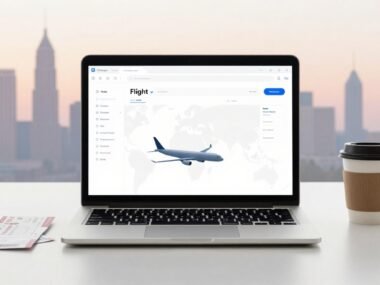
Google Flights is a flight search tool that compares prices, schedules, and routing options across many airlines and booking sources. It’s built for fast comparisons, so you can check one-way, round trip, and multi-city pricing without retyping everything.
It also supports flexible planning. If you don’t know your exact dates, you can search with flexible date windows and see how prices shift across a range of days.
Another key use is monitoring. You can turn on price tracking for a route or specific dates, then watch whether fares move up or down over time.
Key Features of book separate one-way tickets vs round trip
- Compare one-way and round trip prices side by side for the same route and dates
- Flexible date browsing (so you can spot cheaper day pairs)
- Price tracking alerts for routes or specific trips
- “Explore” style searching when your destination is open-ended
- Filters for nonstop, price caps, and timing preferences
- Price insight style signals that indicate whether a fare is high or low compared to typical patterns (when available)
Step-by-Step: How to Use Google Flights
- Enter your departure and destination cities.
- Switch trip type between round trip and one-way to see how pricing changes.
- Open the date picker and scan nearby dates for cheaper combinations.
- Use flexible dates if your schedule can move, then compare trip lengths.
- Add filters (nonstop, times, bags, airlines) so you’re comparing like for like.
- Open the price graph or date grid (when shown) to spot the cheapest days.
- Turn on price tracking for your route or selected dates to monitor changes.
- Re-check the same search before booking, since fares can change quickly.
Before you pay mini checklist:
- Confirm baggage rules and carry-on limits for each segment
- Check seat selection costs (if you care where you sit)
- Review change and cancellation terms for the exact fare type
- Confirm connection times and whether bags are checked through
- Verify who issues the ticket (airline vs third-party)
Pricing, Fees, and What “Cheap” Really Means
When people compare separate one-way tickets vs round trip, they often only compare the base fare. Real trip cost is usually fare plus bags, seats, support, and change fees. This matters more in 2026 because airlines keep pushing more costs into add-ons, like paid seat selection and higher checked bag prices.
The “fee differences” can show up in small ways that add up:
- Bags are often charged per flight segment, so two separate one-ways can expose you to different baggage pricing if the airlines differ.
- Seat fees can vary by direction, aircraft, and demand. Two one-ways can let you buy a seat only on the longer or more crowded flight.
- Support and rebooking can be simpler on a single round trip ticket, but only when both flights are under one record and one set of rules.
Example (illustrative only): If a round trip fare is $280, adding a checked bag at $35 each way and a seat at $15 each way could bring the total to $380. If two one-ways price at $140 and $155, the base is $295, then bags and seats might land at a similar total, or higher, depending on each airline’s add-on prices.
Pros and Cons
| Option | Pros | Cons | Best-fit trips |
|---|---|---|---|
| Round trip | Often simpler ticketing, sometimes cheaper bundled pricing | Return can cancel after a missed outbound, changes can affect the full itinerary | Fixed-date vacations |
| Two one-ways | Easier to change only one direction, mix airlines freely | If both legs change, you manage two tickets | Uncertain return plans |
| Round trip | One purchase, one itinerary view, sometimes better international pricing | Some fare rules can be stricter, especially on basic fares | Long-haul where pricing favors round trip |
| Two one-ways | Can build open-jaw and multi-city paths | More moving parts, self-transfer risk if you split connections | Road trips, open-jaw routes |
Common Mistakes (and How to Avoid Them)
- Booking two one-ways with tight self-transfer times, fix by padding layovers and avoiding separate tickets for critical connections.
- Ignoring “no-show” rules on round trips, fix by reading the terms if you might miss the first leg.
- Comparing a round trip on one airline to two one-ways on different airlines without matching bag and seat costs, fix by pricing the full trip cost.
- Buying the cheapest basic fare without checking if it can be changed, fix by reviewing fare conditions before purchase.
- Assuming rebooking flexibility is the same across airlines, fix by checking change rules per carrier and fare type.
- Forgetting that two one-ways can mean two customer-service queues, fix by keeping confirmation details and support numbers per ticket.
- Treating “nonstop” and “direct” as the same, fix by filtering for nonstop when you need it.
- Waiting too long to book a date-sensitive trip, fix by tracking prices early so you can react to changes.
Is book separate one-way tickets vs round trip Legit and Safe?
The choice to book separate one-way tickets vs round trip is legitimate. Airlines sell both structures every day, and both can be safe when you understand who controls each ticket and what happens during disruptions.
The safety check is practical, not theoretical:
- Confirm the ticket issuer (airline-issued tickets are usually simpler to change than many third-party bookings).
- Confirm the support channel you’ll rely on if something breaks (airline app, phone support, or agency).
- Confirm refund rules and cancellation terms for the fare type you’re buying.
For a grounded overview of how pricing and flexibility differ between the two structures, see NerdWallet’s one-way vs round trip breakdown.
Tips to Get Better Deals
- Price both options every time. Don’t assume round trip is cheaper.
- Use flexible dates to find cheaper day pairs, then lock in the structure that fits your change risk.
- Track prices early, then act when the fare is favorable for your route and season.
- If only one direction is uncertain, consider one-way for the uncertain leg and keep the other locked.
- Watch add-ons. Booking fees in the form of bags and seats can erase a base-fare win.
- Keep airlines consistent when you want easier disruption handling, especially for connections.
- Consider nonstop filters when comparing, since a cheaper one-way with worse routing can cost more in time and risk.
- If traveling internationally, confirm whether you’ll need onward travel proof, since a one-way can raise follow-up questions at check-in or entry.
- Use the date grid or price graph to avoid overpriced days when your schedule can move.
- If you’re mixing airlines, avoid self-transfers on separate tickets unless you can absorb delays.
- Re-check fare terms right before purchase, since fare rules can vary even on the same airline.
- If you’re using points, one-way awards are often priced per segment, which can make mixing and changing easier in some programs (rules vary).
FAQs
Can two one-ways be cheaper than a round trip?
Yes. On many US domestic routes, two one-ways can price similarly, and sometimes less, depending on demand in each direction. The only reliable method is to price both structures for the same dates.
Do change fees apply twice with separate tickets?
They can. If you change both directions, you may deal with two separate change outcomes because each ticket has its own fare rules and price difference.
Is rebooking flexibility better with one-ways?
Often, yes, because you can change only the affected leg without touching the other. The tradeoff is managing two separate tickets and potential self-transfer risk if you split connections.
What happens if I miss my outbound on a round trip?
Many airlines treat that as a no-show and may cancel the remaining segments, including the return. This is one of the biggest practical differences in rebooking flexibility.
Does Google Flights show one-way vs round trip clearly?
Yes. You can switch trip type and scan date tools to compare pricing quickly, then turn on tracking for the route or dates to watch changes.
Do I pay more booking fees with two one-ways?
Sometimes. The base fares can be similar, but fees tied to bags, seats, and support can differ by airline and direction. Total trip cost is the deciding factor, not the headline fare.
Are international one-ways usually more expensive?
They can be. Some long-haul markets still price round trips more aggressively than one-ways, though it depends on airline, route competition, and season. For additional context on how fare logic can vary, see One Mile at a Time’s one-way vs round trip guide.
Conclusion
Booking separate one-way tickets vs round trip is mainly a choice between price structure and control. Round trips can reward fixed plans with bundled pricing and simpler ticketing. Two one-ways can protect you when only one direction might change, and they often improve rebooking flexibility in real life.
Use the same rule each time: compare total cost (including booking fees like bags and seats), then match the structure to your change risk. Always confirm prices and policies on the official site.


 Enu
Enu