Enu
EnuIf you’re searching for domestic flights australia liquids, you probably want one thing, a clear yes or no. Can you bring full-size shampoo? What about a drink, baby formula, aerosol deodorant, or a jar of sauce? This guide explains what you can pack, where people get caught out, and how to avoid binning items at security.
Always confirm prices and policies on the official site.
Quick Answer (Read This First)
- Pure domestic flights in Australia usually don’t have the international 100 mL rule. Many airports screen domestic liquids more loosely (often allowing larger containers, within domestic limits).
- Big exception: if you go through international-style screening (international terminal screening, or a domestic leg tied to an international itinerary), the 100 mL per container rule can apply.
- Do bring an empty water bottle and fill it after security. Full bottles may be checked, and sometimes refused.
- Do pack toiletries in a clear pouch anyway if you want faster checks, even when it’s not required.
- Don’t assume aerosols are “just toiletries.” Sprays can get extra attention, keep caps on and pack neatly.
- Powders and thick gels can be inspected. Keep them easy to reach and be ready to open your bag.
- Baby and medical liquids are usually allowed in reasonable amounts, but you may need to show them separately for screening.
- Duty-free liquids are usually fine if sealed properly, but rules tighten if you enter international screening later. Security staff make the final call.
What Is domestic flights australia liquids and What Does It Do?
“Domestic flights australia liquids” is really shorthand for what airport security will let you carry through screening when you fly within Australia. It covers liquids, aerosols, gels (often called LAGs), and sometimes powders.
This is different from airline baggage rules. Airlines care about bag size, weight, and how many pieces you bring. Security cares about what’s inside and how it scans.
Most confusion comes from one idea: people remember the international rule (tiny bottles in a clear bag) and assume it applies everywhere. That mistake can cost you time, money, and your favourite sunscreen.
For most domestic-only trips, you can carry normal-sized liquids within domestic screening limits. The trouble starts when your “domestic” trip is screened like international travel.
Domestic terminal vs international terminal screening, why it changes everything
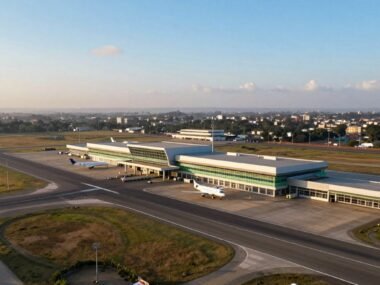
The most common trap is simple: your flight is domestic, but your screening is not. That can happen if you start in an international terminal, or if your journey connects into an international flight where the airport applies stricter rules.
Use this quick checklist before you pack:
- Which terminal does your flight depart from? Domestic terminal screening and international terminal screening can differ.
- Is any part of your trip international? Same-day connections can trigger tighter checks.
- What does your boarding pass show? Terminal and itinerary details matter.
- Are you transiting through an international screening point? If yes, pack for 100 mL rules.
- Do you need to clear security again during a terminal change? If you do, plan for the stricter option.
When you’re unsure, pack as if you’ll face international screening, or check the liquids. It’s the safest way to avoid losing items.
Key Features of domestic flights australia liquids
- Bigger carry-on liquids can be allowed on pure domestic screening, so full-size toiletries may be fine (within domestic limits).
- Drinks can be tricky before screening, but an empty bottle is almost always painless.
- Aerosols often get a closer look, especially sprays without caps or with damaged nozzles.
- Opaque containers can slow you down, because officers may want a better look or a swab test.
- International screening can override domestic convenience, pushing you back to 100 mL containers in a clear bag.
- Medical and baby liquids usually get flexibility, but expect questions and extra screening.
- Neat packing wins, because messy bags trigger searches even when your items are allowed.
Liquids, aerosols, gels, and powders, what counts as what
Airport security doesn’t care what you call it, it cares what it looks like on the scanner.
Here’s how common items are usually treated:
- Toothpaste and hair gel: gels (often screened like liquids).
- Roll-on deodorant and sunscreen lotion: liquids/gels.
- Spray deodorant and hairspray: aerosols (keep the cap on).
- Protein powder, baby formula powder, coffee: powders.
On pure domestic routes, powders are generally not limited the way they are for international travel, but they can still be inspected. When in doubt, pack it where it’s easy to show.
If you want an airport example of how screening guidance is explained, Brisbane Airport has a clear public page on powders, liquids, aerosols and gels that helps set expectations for what may be checked at the lane.
Step-by-Step: How to Use domestic flights australia liquids
- Check your terminal first. Look at your booking email and boarding pass for “Domestic” vs “International”.
- Check your full itinerary. If you connect to an international flight (or arrive from one), pack for international-style screening.
- Group liquids together. Put toiletries and liquids in one easy-to-pull pouch, even if you won’t need a zip-lock bag.
- Choose containers that won’t leak. Cabin pressure changes can push weak lids to fail.
- Pack aerosols carefully. Keep caps on, don’t bring damaged cans, and avoid “half-broken” sprays.
- Keep “maybe items” accessible. Things like spreads, sauces, creams, and powders should be easy to show.
- At security, follow the lane signs. If staff ask for liquids out, take them out fast and place them in a tray.
- If you’re unsure, ask before you reach the X-ray belt. A quick question can save you a bin decision.
Before you pay (mini checklist):
- Confirm your departure terminal and whether you’ll face international-style screening.
- Confirm if any international connection applies to your booking.
- Check airline carry-on size and weight limits, they can be stricter than you think.
- Allow extra time if you’re changing terminals or re-clearing security.
- If you’re buying a “cheap” fare, check what’s included (bags, seats, changes).
Pricing, Fees, and What “Cheap” Really Means
Liquid rules feel separate from cost, until you’re standing at security choosing between throwing items away or paying extra later. A “cheap” ticket is the total trip cost, not just the headline fare.
Common add-ons on domestic flights in Australia include:
- Carry-on upgrades (if your bag is heavier than the base allowance)
- Checked baggage
- Seat selection
- Change or cancellation fees
- Booking fees (more common with third-party sellers)
- Customer service limits (basic fares sometimes have fewer support options)
Example: Fare ($129) + checked bag ($55) + seat ($15) = $199 total.
Tying it back to liquids: checking a bag can be cheaper than replacing toiletries, buying airport minis, or losing a full bottle of something you actually need.
Pros and Cons
| Option | Pros | Cons | Best for |
|---|---|---|---|
| Carry liquids in carry-on (domestic screening) | Keep items with you, no baggage carousel wait | Extra screening risk, spills can ruin your bag | Short trips, simple packing |
| Carry liquids in carry-on (international-style screening) | Works if you stick to 100 mL limits | You may need to downsize and use a clear bag | Domestic leg tied to international itinerary |
| Check liquids in checked baggage | Bring full-size items with less hassle | Bag fees, waiting at baggage claim | Longer trips, full toiletries |
| Mix approach (essentials onboard, rest checked) | Best balance, less stress at security | Still need to manage both bags | Families, work trips, skincare routines |
| Buy at destination | No security worries | Can cost more, wastes time shopping | Minimalists, short stays near shops |
Common Mistakes (and How to Avoid Them)
- Assuming the 100 mL rule always applies; check if your trip is pure domestic screening first.
- Forgetting the terminal type; confirm “Domestic” or “International” on your boarding pass.
- Bringing large liquids on a domestic leg that connects internationally; pack 100 mL containers or check the liquids.
- Packing leaky bottles; use leak-proof caps and keep liquids in a sealed pouch.
- Carrying aerosols without caps; keep sprays capped and protected to avoid extra checks.
- Burying liquids under laptops and chargers; keep them easy to remove if asked.
- Bringing messy food liquids (sauces, dips) in deep bags; place them near the top for quick inspection.
- Cutting it fine on time; allow extra minutes for bag searches if you’re carrying powders or aerosols.
Is domestic flights australia liquids Legit and Safe?
People ask this because it sounds too good to be true. If you’ve flown overseas, you’ve trained your brain to fear the 100 mL rule.
For pure domestic routes in Australia, the no-100 mL approach is real in practice, but it comes with a catch: screening can change based on where and how you travel. International terminals and international connections can pull you into international-style restrictions.
To feel confident, check three things before you travel:
- Your terminal (domestic vs international)
- Your full itinerary (any international leg or transit)
- Airport or airline guidance for screening and carry-on limits
If you book through a third party, also check the ticket issuer’s refunds, cancellation rules, and customer service channel, because “support” matters when plans change. In the end, security staff decide what goes through.
Tips to Get Better Deals
You can save money without turning your trip into a spreadsheet. These tips match how people actually shop for domestic fares in Australia.
- Book a few weeks ahead when you can. Domestic prices often jump closer to departure.
- Use Google Flights Date grid and Price graph to spot cheaper days fast.
- Turn on price tracking so you get alerts when fares change.
- Use Flexible dates if your schedule can move by a day or two.
- Try the Explore map when you only know your budget, not your destination.
- Compare nearby airports (when it makes sense), sometimes a short drive is worth it.
- Fly mid-week if you can, weekends often cost more.
- Choose carry-on only when it truly works; don’t pay overweight fees at the airport.
- Avoid paid extras you won’t use, like seats on short flights, if you’re price-focused.
- If you’re travelling with liquids you can’t lose, consider checking a bag early instead of risking security bins.
FAQs
Do I need the 100 mL bag on domestic flights?
Usually no, not for pure domestic screening. Bring one anyway if you want a tidy setup.
What if I connect to an international flight?
Pack for international rules. Use 100 mL containers in a clear bag, or check the liquids.
Can I bring water or drinks through security?
An empty bottle is easiest. Full drinks may be checked, and you may need to tip them out.
Are aerosols allowed on domestic flights?
Often yes, but they can be inspected. Keep caps on and pack them where they won’t get crushed.
Can I carry baby formula and breast milk?
Yes, in reasonable amounts, but expect extra screening. Keep it easy to access.
What about medicine liquids?
Bring what you need. Keep labels or a script if you have it, and present items separately if asked.
Can I bring duty-free liquids on a domestic leg?
Usually yes if they are sealed correctly, but be careful if you later go through international screening.
Do powders have limits?
On pure domestic routes, powders are generally allowed, but they may be inspected. Keep them handy.
What happens if security pulls my bag?
Stay calm, answer questions, and show items quickly. Most delays come from hard-to-see containers and cluttered packing.
Conclusion
With domestic flights australia liquids, the best approach is a simple decision. If you’re going through domestic terminal screening on a pure domestic trip, you can usually carry normal liquids within domestic limits. If international screening applies, stick to 100 mL containers in a clear bag, or check the liquids.
Make your next trip easier by checking your terminal before you pack, then set up price alerts when you book so you don’t miss a fare drop. Smart packing and smart timing beat stress every time.

 Enu
Enu