 Enu
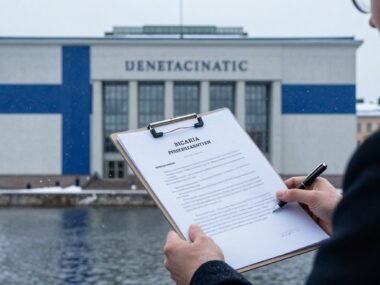
EnuImagine fleeing conflict or danger, crossing into Finland’s snowy borders in search of safety. Thousands do this each year, hoping for protection. The Finland asylum process offers a structured path for those fearing persecution, torture, or serious harm. It covers eligibility checks, registration, interviews, and decisions, all handled by the Finnish Immigration Service (Migri).
This guide breaks it down step by step, using official details from Migri as of January 2026. You must be in Finland to apply; no remote options exist. Always verify the latest on migri.fi/en/asylum-in-finland. This is general information, not legal advice. Consult professionals for your case.
Who Qualifies for Asylum in Finland?
To qualify, you need a well-founded fear of persecution or harm back home. Finland grants refugee status or subsidiary protection if you prove this. You apply only after arriving in the country.
Key grounds include:
- Persecution based on race, religion, nationality, political opinion, or social group.
- Serious harm like torture, inhuman treatment, or threats from armed conflict.
- Risk of death penalty or execution.
Physical presence in Finland is required. No applications from abroad via email or embassies. The Dublin Regulation may transfer you to another EU country if they entered first.
Refugee Status vs. Subsidiary Protection
Refugee status follows the 1951 Geneva Convention. It protects against persecution for reasons like race or religion. For example, someone targeted for political activism might qualify.
Subsidiary protection applies if you don’t meet refugee criteria but face other dangers, such as torture or war. Think of civilians in active conflict zones at risk of indiscriminate violence. Both offer residence permits, but refugee status provides stronger family reunion rights.
Cases That Get Transferred (Dublin Regulation)
Under EU rules, Finland checks if another member state handles your claim. Factors include fingerprints in Eurodac, visas issued, or family in that country. If so, Finland returns you there quickly. Exceptions exist for close family ties in Finland. This prevents “asylum shopping” across Europe.
How to Start the Finland Asylum Process
Tell a border guard or police officer right away: “I want to apply for asylum.” This starts everything. They register you on the spot, no prior forms needed.
Officials take your details, fingerprints, photo, and signature. They check databases for Dublin rules. You get a certificate of applicant for international protection; carry it everywhere. Then, head to a reception center.
Registration at Border or Police Stations
At the border or station, expect quick biometrics. Officials scan fingerprints against EU records. They issue your certificate immediately, proving your status.
This document lets you access reception services like housing. Without it, you risk delays. Registration confirms Finland’s responsibility or triggers a transfer.
Step-by-Step Guide to the Finland Asylum Process
Follow these main steps in the Finland asylum process:
- Arrive and declare: Tell border control or police you seek asylum. Get registered with biometrics.
- Move to reception center: If Finland handles your case, travel there for housing and support.
- Receive interview notice: Migri schedules your personal interview, usually within weeks.
- Attend the interview: Explain your story in detail. Bring evidence. An interpreter helps.
- Await decision: Migri reviews everything. Expect a written outcome.
The interview is crucial; honesty matters most.
Preparing for Your Asylum Interview
Be specific about events and fears. Bring IDs, medical reports, letters, or photos as proof. Migri provides a free interpreter in your language.
Practice telling your story clearly. Officials keep it confidential; no sharing with your home country. Missing it without reason hurts your case.
Life in Reception Centers While Waiting
Centers offer basic housing, meals, and a daily allowance. Kids get schooling; all access healthcare. Rules apply: report changes in address or status.
Work permits come after 3-6 months, depending on documents. Services follow EU standards for dignity during waits.
Documents and Proof for Finland Asylum Applications
No fixed list exists, but gather everything possible. Passports, birth certificates, and medical records strengthen claims. Witness statements or news articles help too.
Your registration certificate is primary. Originals beat copies. Submit them at the interview; Migri returns non-essentials later. Strong evidence boosts approval chances.
Processing Times and Decisions in the Finland Asylum Process
Most cases take up to 6 months. Faster for safe country origins or border procedures (12 weeks max). In 2025-2026, expect 1,500-2,500 applications yearly.
Positive decisions grant refugee status, subsidiary protection, or temporary protection. Negative ones explain reasons and appeal rights. New 2026 screening takes 3-7 days to sort cases.
What If Your Application Is Denied?
Appeal to an administrative court within deadlines. You get aid for voluntary return. For kids, police ensure safe care before any removal. Stay informed via Migri updates.
Recent Changes to the Finland Asylum Process (2024-2026)
Since September 2024, asylum seekers or those denied can’t switch to work or study residence permits easily. This blocks “backdoor” stays.
From summer 2026, EU Pact rules add quick screening (3-7 days), movement limits, and check-ins (2-4 times monthly). Allowances drop up to 20% for rule breaks. Safe countries like those on EU lists speed returns.
These tighten procedures amid lower application volumes.
Rights, Duties, and Support During Your Finland Asylum Claim
Rights include free housing, food allowances, healthcare, and education for children. Detention is rare, only for flight risks.
Duties: Attend interviews, report address changes, and follow center rules. Cooperate fully. Legal aid helps with appeals.
FAQs: Common Questions on the Finland Asylum Process
Get quick answers to top queries here.
Can I Work While My Asylum Claim Processes?
Yes, after 3 months with valid passport or 6 months without. Get a permit for salaried jobs; no freelancing. Rights end post-final denial.
What About Families and Children?
Families stay together in centers. Unaccompanied minors get guardians and priority protection. Police check child safety before returns.
How Long Can I Stay If Granted Protection?
Renewable residence permit, typically 1-4 years initially. Leads to permanent status with integration.
Conclusion
The Finland asylum process demands quick action at borders, honest interviews, and patience during 6-month waits. Key steps: register, interview, decide. Recent 2024-2026 changes add screenings and restrictions for efficiency.
Prepare evidence and stay honest. Always check migri.fi/en/asylum-in-finland for updates. If eligible, Finland provides real safety. What’s your next step toward protection?


 Enu
Enu