 Enu
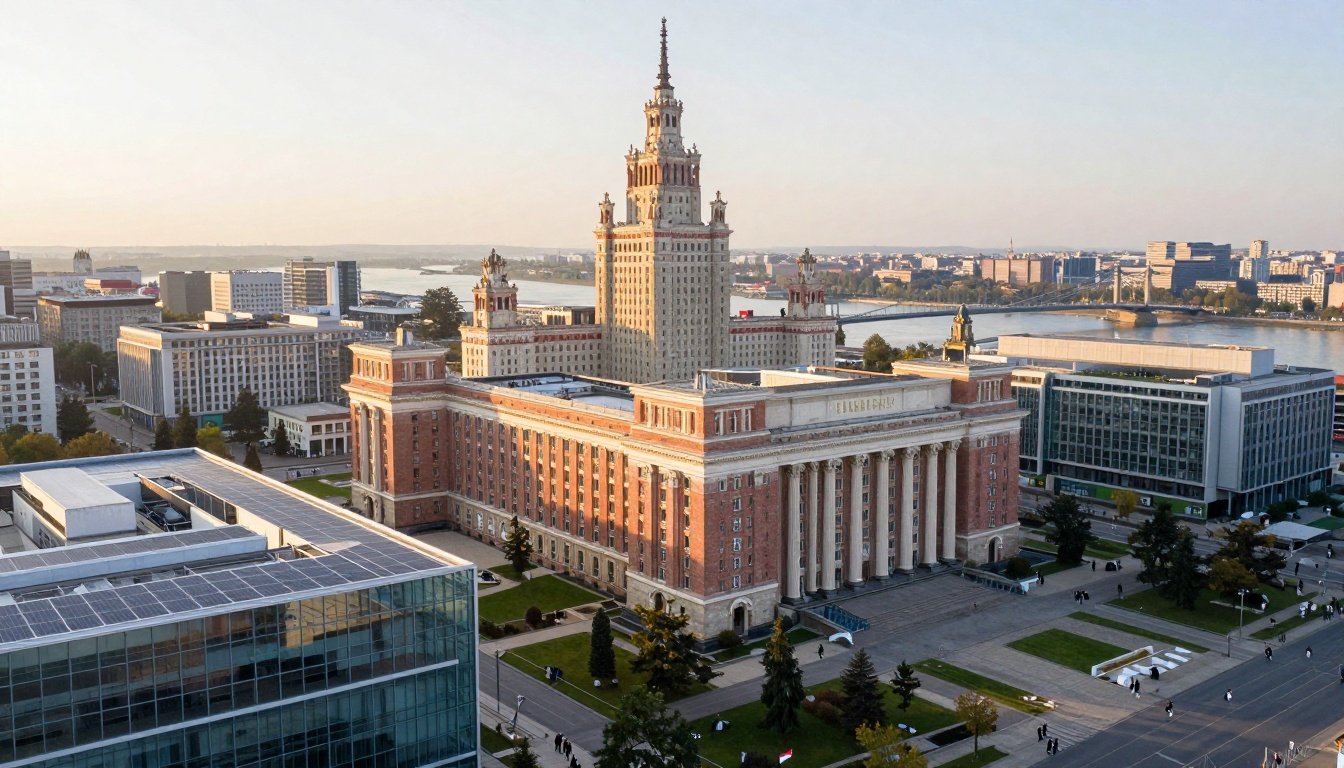
EnuImagine stepping onto Europe’s oldest technical university campus, founded back in 1782. The Budapest University of Technology and Economics draws ambitious engineering students worldwide with its blend of history and modern innovation. Over 18,000 students, including around 2,000 internationals from more than 50 countries, call it home.
This guide covers everything you need: from its rich history and standout programs to admissions steps, costs, scholarships, and real student tips. You’ll see why it’s a top pick for affordable, high-quality tech education. Students often share how counselors helped them sort goals when overwhelmed, much like those landing spots at places such as Arizona State or UCL.
Quick Facts on Budapest University of Technology and Economics (Read This First)
- Founded in 1782, making it Europe’s oldest technical university.
- Total students: 18,000-21,000, with strong focus on engineering.
- International students: Around 2,000 from over 50 countries, about 10-15% of enrollment.
- QS World Ranking 2026: 711-720, top in Hungary for tech and engineering.
- 8 faculties, covering civil, mechanical, electrical engineering, and more.
- Tuition for non-EU: $3,800-$5,300 per semester.
- Key scholarship: Stipendium Hungaricum covers tuition, stipend, housing.
- Official site
These stats show why it’s a smart, value-packed choice for tech careers.
What Is Budapest University of Technology and Economics and What Sets It Apart?
The Budapest University of Technology and Economics, often called BME, stands as Hungary’s leading technical school. It produces about 70% of the country’s engineering graduates. Located along the Danube in Budapest, it mixes historic charm with cutting-edge labs.
BME runs 8 faculties: Civil Engineering, Mechanical Engineering, Architecture, Chemical Technology and Biotechnology, Electrical Engineering and Informatics, Transportation Engineering and Vehicle Engineering, Natural Sciences, and Economic and Social Sciences. Programs come in English, German, and Hungarian, easing access for globals.
Research shines here, with 4 Nobel laureates linked and 34 members of the Hungarian Academy of Sciences. This setup prepares students for industry jobs across Europe. Check details at the official BME site.
Its public status and long track record make it reliable for serious engineering pursuits.
Key Programs and Faculties at Budapest University of Technology and Economics
BME offers English-taught options at BSc, MSc, and PhD levels across all faculties. Top picks include:
- Mechanical Engineering: Often ranks in QS top 250; hands-on projects in design and manufacturing.
- Civil Engineering: Focus on sustainable infrastructure, popular for internationals.
- Computer Science and Electrical Engineering: Covers AI, informatics, and electronics.
- Architecture: Blends creativity with tech tools.
- Economics and Business: Practical programs in economic sciences.
The full 8 faculties ensure broad choices. Students praise how advisors matched them to fits, like one who clarified goals for a logistics master’s.
These draw internationals seeking Hungary’s innovation hub without sky-high costs.
Step-by-Step Guide to Applying to Budapest University of Technology and Economics
Follow these steps for a smooth application.
- Pick your program: Browse English options
- Review requirements: Need GPA equivalent, English test (IELTS/TOEFL B2 level), math/physics skills for engineering.
- Gather docs: Transcripts, diploma, SOP, CV, LORs, passport.
- Submit online: Use BME’s portal; pay application fee.
- Take entrance exam: Often math/physics test or interview.
- Wait for decision: Self-funded deadlines in spring/summer; scholarships earlier.
- Handle visa: Apply for student residence after offer.
- Enroll and pay: Confirm spot, arrange housing.
Before You Apply Checklist:
- Verify deadlines (January for Stipendium).
- Prove finances and English.
- Prep SOP with consultant help, as students did for resumes and goals.
Advisors often refine apps for competitive spots.
Tuition Fees, Costs, and Scholarships at BME in 2026
Non-EU students pay $3,800-$5,300 per semester, based on program. Example: Mechanical Engineering MSc runs about $4,500/semester.
Annual total with living costs (rent, food, transport): around $10,000-$12,000. Budapest stays affordable versus Western Europe.
Stipendium Hungaricum shines: full tuition waiver, monthly stipend (~$150), housing, insurance.
Confirm 2026 rates on BME’s site.
Pros and Cons of Budapest University of Technology and Economics
| Pros | Cons |
|---|---|
| Historic prestige since 1782 | Mid-tier global ranking (711-720 QS) |
| Strong engineering reputation | Mostly Hungarian outside English tracks |
| Affordable tuition and living | Urban campus, less “traditional” feel |
| Growing intl community (2k+) | Entrance exams add prep time |
| Top research, industry links | Limited non-tech social scene |
This table weighs real choices for prospective students.
Rankings, Reputation, and Is BME Legit for International Students?
BME holds QS 711-720 in 2026, leading Hungary in engineering and innovation. See full profile on Top Universities.
As a public uni with 240+ years, it’s fully legit. Stipendium ties add trust. Students note counselor support boosted apps, like for urban planning at rivals.
Strong for Europeans eyeing tech jobs.
Campus Life and Tips for Success at BME
Budapest buzzes with cafes, history, and events. BME’s Danube-side spot hosts 2,000 internationals who settle fast, form bonds, like one vet student in Glasgow.
Tips:
- Join engineering clubs for networks.
- Attend open days and fairs.
- Budget $500-700/month living.
- Use Stipendium housing.
- Learn basic Hungarian for daily ease.
- Hit labs early for projects.
- Explore city via student unions.
- Seek free counseling at sites
FAQs About Budapest University of Technology and Economics
What is Budapest University of Technology and Economics’ QS ranking in 2026?
711-720 worldwide, top in Hungary for tech.
Tuition for internationals?
$3,800-$5,300/semester non-EU.
How to get scholarships?
Apply Stipendium Hungaricum early; covers full costs.
Admissions deadlines?
January for scholarships, spring for self-funded.
English programs available?
Yes, BSc/MSc/PhD in engineering, sciences.
Visa process?
Student residence after offer; show finances.
Best for engineering?
Yes, 70% of Hungary’s degrees; research strong.
Conclusion
The Budapest University of Technology and Economics offers top engineering value: affordable fees, English programs, and Danube vibes since 1782. With scholarships like Stipendium, it’s ideal for global tech dreams.


 Enu
Enu