 Enu
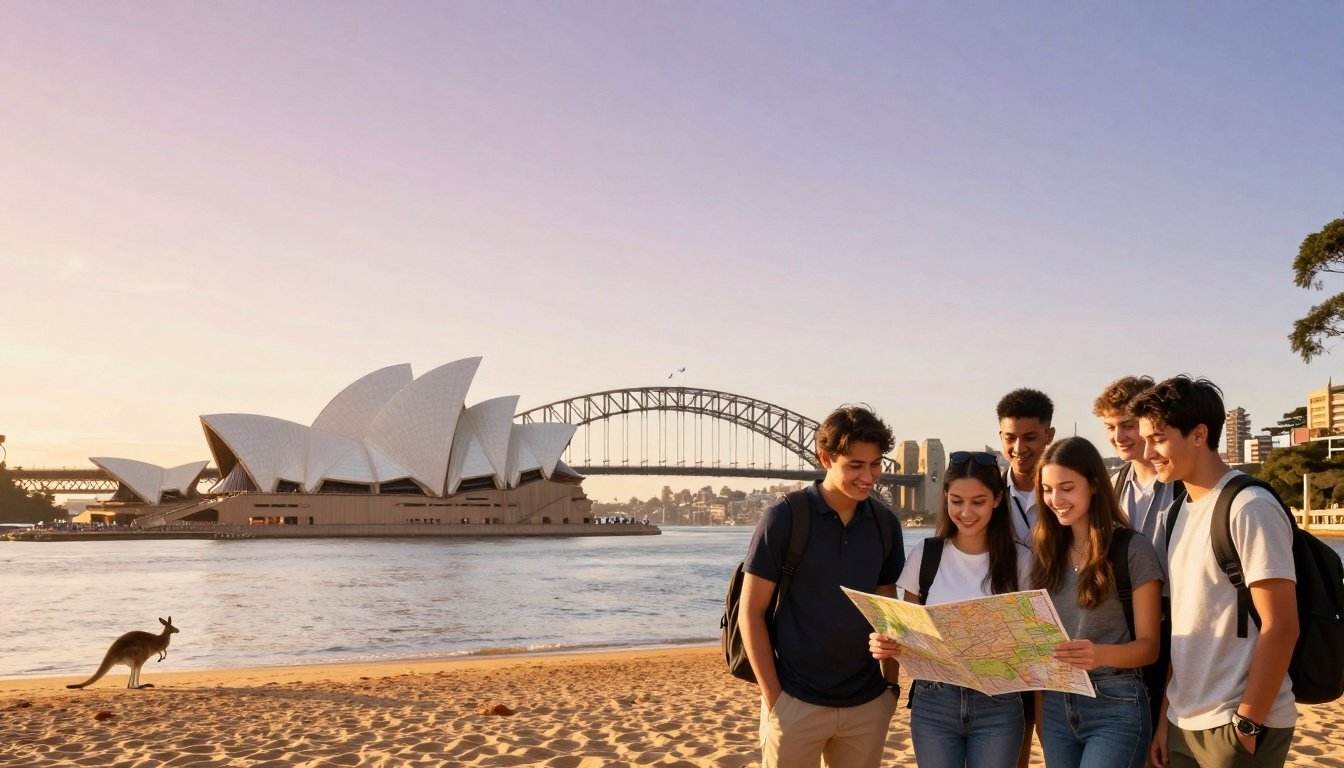
EnuPicture this: golden beaches, kangaroos hopping nearby, and world-class schools where you make friends for life. Australia student exchange programs offer high school and university students a chance to live Down Under, boost resumes with global experience, and earn credits that count back home. You’ll dive into Aussie culture, sharpen English skills, and build independence while studying in cities like Sydney or Melbourne.
In this guide, you’ll find top programs for 2026, eligibility rules, application steps, costs, scholarships, pros and cons, and success tips. High schoolers can join hosted stays from six months to a year; uni students swap semesters at partners like UNSW or Adelaide University. Students often share stories of quick settling in, thanks to host families and counselor guidance, like one who navigated visas smoothly and landed at Glasgow but adapted the Aussie way with new mates. Always check official sites for the latest 2026 details, as deadlines and fees shift.
What Are Australia Student Exchange Programs?
Australia student exchange programs let students live and study Down Under for a term, semester, or year. High school versions suit ages 15 to 18 and last six to 12 months. You attend local schools, stay with host families, and immerse in daily life.
University exchanges target enrolled undergrads or postgrads. You study at partner schools like the University of Sydney or Curtin University, pay home fees, and transfer credits seamlessly. Goals include cultural immersion, English practice, and academic growth in spots like vibrant Sydney or coastal Melbourne.
These programs build global perspectives, teach independence, and open doors to outdoor adventures like surfing or barbecues. Many report stronger resumes and lasting networks.
Top High School Australia Student Exchange Programs for 2026
Strong reviews and popularity guide these picks. Expect costs from $10,000 to $25,000 USD for six to 12 months, covering tuition, homestay, and insurance. Flights add $1,500 extra. Apply by spring 2025 via local chapters for 95% success rates in matching.
Rotary Youth Exchange
Rotary tops lists with free housing, meals, and club networks. Ages 15-18 need GPA 3.0+, English skills, and family approval. Outbound camps prepare you; strict rules ensure safety. Pros include global friends and no hosting fees; cons are lottery placements. Reviews hit 4.8/5 from alumni praising support. Apply through local Rotary clubs.
AFS Intercultural Programs
AFS shines with prep courses, host matching, and visa aid. Costs run $11,000 to $13,000 for a year. Strong in Victoria and nationwide. Pros: vast alumni network; cons: spots fill fast. Students love the cultural prep and quick settling.
YFU and EF High School Exchanges
YFU focuses on rural hosts at $12,000 to $14,000, great for nature lovers. EF offers city stays from $9,000 to $13,000 with flexible terms. Both emphasize English and integration. YFU suits adventurers; EF fits urban fans.
Best University Australia Student Exchange Programs
Semester swaps at top unis like Melbourne, Sydney, or UQ let you earn credits while paying home fees. Eligibility: GPA 2.75+, enrolled status, IELTS 6.0. Nominations start via home uni by October 2025 for Semester 1 2026. Costs: $8,000 to $12,000 per semester for living.
Programs partner with 250+ globals. Study Victoria aids short stays; UNSW offers three terms plus summers.
CIEE and University Partnerships
CIEE links to Monash and UNSW for urban vibes and internships. Credits transfer easily. Pros: exciting city life; cons: limited spots. Reviews average 4.9/5. Check Adelaide University’s semester exchange for similar options.
Australian Government Options like Endeavour
Endeavour funds short two- to four-week trips at $4,000 to $7,000. Low-cost with easy subclass 500 visas. Ideal for pilots before full semesters. See Curtin University’s exchanges.
Eligibility Requirements and How to Apply
Meet age (15-18 high school; full-time uni), GPA 2.5-3.0+, English proficiency, health checks, and family consent. Prove funds (~$24,505 AUD/year living plus tuition) and get Overseas Student Health Cover (OSHC).
Steps:
- Research via studyinaustralia.gov.au or home uni.
- Contact providers by March 2025.
- Submit app, interview, references.
- Get matched to host/school.
- Apply for subclass 500 visa post-CoE.
- Attend orientation.
Checklist: Passport valid? English test ready? Funds documented?
Costs, Fees, Scholarships, and Budget Tips
Program fees: $7,000-$14,000 high school, $15,000-$25,000 AUD/sem uni living. Add flights ($1,500), visa ($500), OSHC ($500-700). Year total ~$25,000 USD.
Scholarships: AFS need-based, Destination Australia for Asians, home uni grants. Counselors like those at StudyIn help scout funds; one student snagged £5,000 aid.
Tips: Hosts cover meals. Budget $1,500/month extras. Shop sales for flights.
Pros and Cons of Australia Student Exchange Programs
| Pros | Cons |
|---|---|
| Deep culture dive, beaches, wildlife | High living costs in cities |
| English fluency boost, job edge | Homesickness early on |
| Credits transfer, resume gold | Strict host rules |
| Lifelong friends, independence | Competitive spots |
Feedback: “Settled fast, made mates,” says one. Balance with prep.
Tips for Success and Common Mistakes to Avoid
- Pack light; laundry’s easy.
- Learn slang like “arvo” for afternoon.
- Budget for extras like coffee runs.
- Apply early; miss March, lose spots.
- Prep visa docs fully; delays hurt.
- Join groups for quick friends.
- Respect hosts; small thanks go far.
- Stay healthy; OSHC covers basics.
- Avoid ignoring homesickness; call home.
- Use counselors for smooth visas, as one did for Birmingham admits.
Ready for Your Australia Student Exchange in 2026?
Rotary and AFS lead high school picks; CIEE and uni partnerships shine for college. These Australia student exchange programs transform lives with culture, credits, and confidence. Book a free consult today, like students who praise guides for offers and visas. Your Down Under adventure awaits; apply now and surf those waves.


 Enu
Enu