 Enu
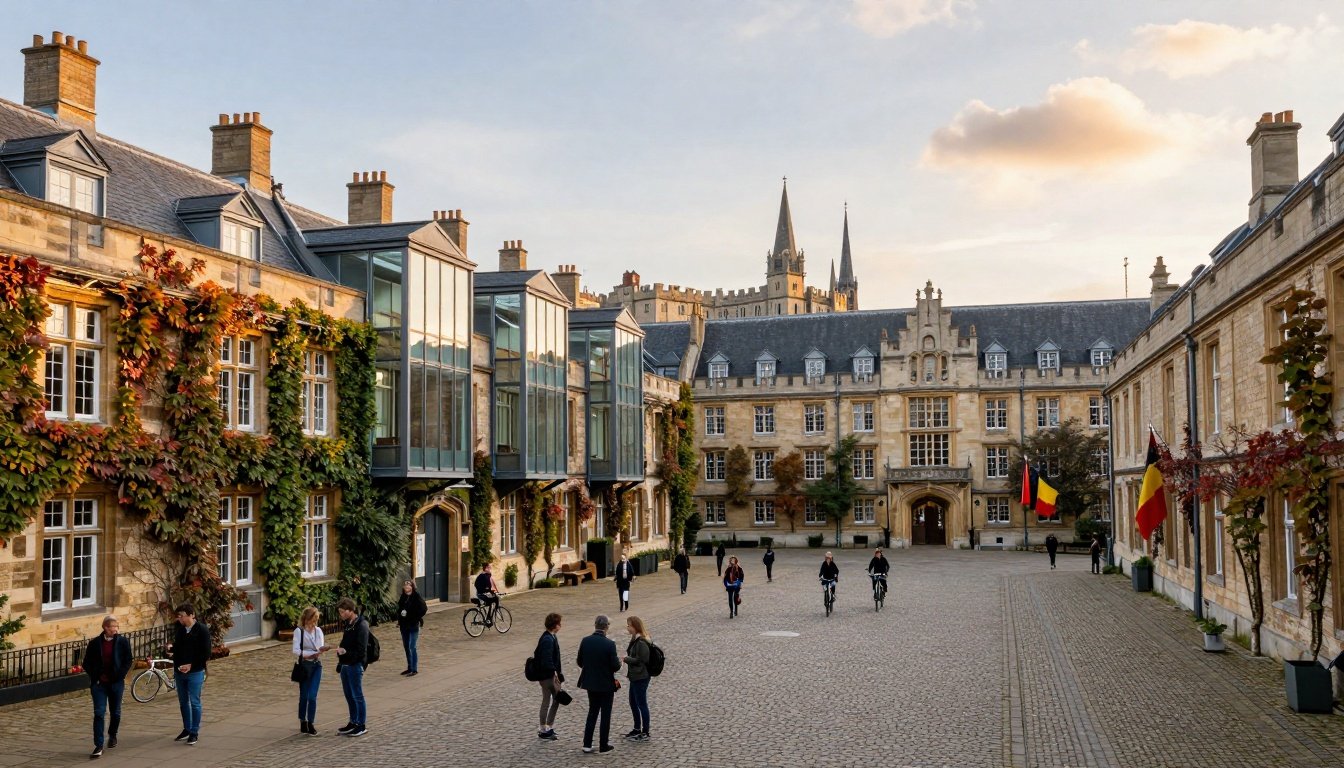
EnuImagine studying at a world-class school in the heart of Europe, where tuition stays low and job doors swing open across the EU. Belgian universities for international students draw over 55,000 foreigners each year thanks to spots like KU Leuven, ranked 60th globally in QS 2026, and Ghent University at 162nd. These schools offer English programs, strong research, and cities full of bikes, beer, and safety.
This guide covers top picks, admissions steps, fees, popular courses, visas, and real pros and cons. You’ll see why Belgium beats pricier spots like the UK or France for value. Safe streets, cheap eats, and quick trains to Paris or Amsterdam add appeal. Always check official university sites for the latest details, as rules shift.
Quick Answer: Top Belgian Universities for International Students
Need the basics fast? Here are key facts for quick decisions.
- KU Leuven tops at QS 60, THE 46; 63,000 students, €4,591 average non-EU fees.
- Ghent University at QS 162; excels in sciences, €6,929 fees for non-EU masters.
- UCLouvain (QS 191) focuses on research; strong in social sciences.
- ULB (QS 227) in Brussels links to EU jobs; policy and law shine.
- Antwerp (QS 280) great for business; 4,000 internationals.
- Average non-EU fees run €3,000-7,000 yearly; living costs €700-1,000/month.
- Over 500 English programs in engineering, business, sciences.
- Type D visa requires acceptance letter, €700/month funds proof; scholarships up to €10,000 available.
These make Belgium smart for budget-savvy students chasing quality.
What Makes Belgian Universities Stand Out for Foreigners
Belgium packs punch in a small space. Its unis rank high in QS and THE 2026 lists, with KU Leuven in the global top 50 for THE. Many programs teach in English, over 500 at bachelor’s and master’s levels. No need for fluent Dutch or French upfront.
Location helps too. Train from Leuven to Brussels in 20 minutes, Amsterdam in two hours. Cities like Ghent and Antwerp feel student-focused: bike paths everywhere, rents under €500/month, fries and waffles for pennies. Students praise the mix of history and modern life, much like reviews from places such as Study.eu’s top Belgium rankings.
Safety ranks high; low crime lets you focus on studies. Research opps abound, with EU funding and internships nearby. Compared to neighbors, fees stay low while quality matches. It’s practical for Indians, Chinese, and others seeking post-study work in Europe.
Top Belgian Universities Ranked for 2026
Belgium’s leaders shine in global lists. Here’s the top seven from QS and THE 2026 data, with strengths for internationals.
| University | QS 2026 | THE 2026 | Key Strengths for Internationals |
|---|---|---|---|
| KU Leuven | 60 | 46 | Largest, most English programs |
| Ghent University | 162 | 115 | Sciences, sustainability focus |
| UCLouvain | 191 | 184 | Research-heavy, affordable |
| ULB | 227 | 201 | Brussels location, EU ties |
| Antwerp | 280 | 170 | Business, 25% intl students |
| VUB | 294 | 201 | Tech and social sciences |
| ULiège | 379 | 301 | Environmental programs |
These schools host thousands of foreigners, drawn by rankings and support.
KU Leuven: Belgium’s #1 for Internationals
Founded in 1425, KU Leuven leads with 63,000 students, many international. It offers English bachelors and masters in engineering, business, biomedicine. Merit scholarships cut fees. Campus in lively Leuven buzzes with clubs and events. Students settle fast, echoing tales of smooth starts abroad.
Ghent University: Leader in Sciences and Sustainability
Ghent ranks strong in life sciences and biotech. English masters like molecular biology attract researchers. Master Mind scholarships cover full tuition for top applicants. The green campus fosters innovation; city life mixes canals and cafes.
UCLouvain and Other Strong Contenders
UCLouvain pushes research in health and engineering; low fees draw crowds. ULB in Brussels suits policy fans with EU internships. Antwerp excels in business management, hosting 4,000 internationals. VUB adds tech edge; all offer solid English options. Pick by field for best fit.
Admission Requirements and How to Apply
Start early; deadlines hit March to July. Most undergrads need high school diploma with good grades (GPA 3.0+). Masters require bachelor’s degree, often 70%+ marks.
Prove English with IELTS 6.5 or TOEFL 90. Submit motivation letter, CV, references. No standard entrance exams for undergrad; some masters test.
Apply direct via uni portals. Steps: choose program, check site like Mastersportal’s Belgium guide, upload docs, pay fee (€50-100). Decisions in 4-8 weeks. Track via email.
Tuition Fees, Living Costs, and Scholarships
Non-EU undergrad fees average €3,000-4,000; masters €4,000-7,000. KU Leuven charges €4,591 for many; Ghent €6,929 masters. EU citizens pay €900.
Living runs €700-1,000/month: rent €400, food €250, transport €50. Total year: €12,000-18,000 including fees.
Scholarships help. Government ARES gives €10,000+ for developing countries. Uni merit awards like KU’s cut 50-100%. Erasmus+ funds exchanges. Apply post-acceptance; many cover living too.
Example: Indian student at Ghent masters pays €6,929 fees + €9,600 living = €16,529 minus €5,000 scholarship = €11,529 net.
English-Taught Programs: Popular Choices
Belgium lists 500+ English programs. Business management tops at Antwerp and VUB. Engineering draws crowds at KU Leuven, Ghent. Sciences like biomed and computer science thrive too.
PhDs offer research stipends. Indians favor these for internships; others chase economics. Check Study in Flanders for full lists. Programs match global needs, boosting careers.
Student Visa Process and Life in Belgium
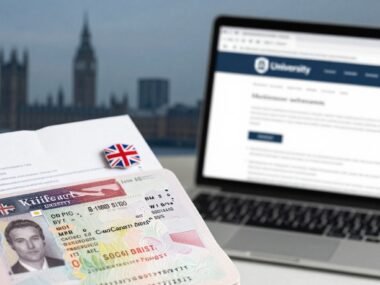
Secure Type D visa pre-arrival. Need uni acceptance, passport, funds proof (€700/month or €8,400/year), health insurance, no criminal record. Fee €180; apply at Belgian embassy, takes 2-4 weeks.
Post-arrival, get residence permit at town hall. Work part-time 20 hours/week. Healthcare covers basics; cities offer free bikeshares.
Life shines: safe, multicultural. Ghent’s festivals, Brussels’ chocolate. Rainy weather tests; Dutch/French common, but English works.
Pros and Cons of Studying at Belgian Universities
| Pros | Cons |
|---|---|
| Top rankings (QS top 300) | Dutch/French in daily life |
| Low fees vs. UK/France | Rainy, cool weather |
| 500+ English programs | Competitive admissions |
| Central EU location | Smaller cities outside Brussels |
| Internships, post-study work | Housing hunts in peaks |
Pros outweigh for many; cons manageable with prep.
Conclusion
Belgian universities for international students deliver top ranks, English options, and EU access at smart prices. KU Leuven, Ghent, and peers stand out for 2026 intakes. Weigh programs, fees, life fit.
Apply now for fall; book counseling via sites like LeapScholar’s Belgium unis. Your Europe adventure waits, hassle-free.


 Enu
Enu