 Enu
EnuBusiness class flight deals europe can feel like a myth when you see $5,000 to $8,000 fares pop up for summer trips. But the price swings on long-haul premium cabins are real, and you can catch strong value if you watch the right routes, book in the right windows, and compare cash to points with discipline.
If you’re an older traveler (or booking for a parent), comfort isn’t a luxury item, it’s part of the plan. A lie-flat seat can mean real sleep, fewer aches, and less stress at the airport. Priority boarding and lounge access also help when you want extra time, fewer lines, and easier support.
Important disclaimer: airfare changes fast, “senior discounts” are limited and vary by airline, and you should confirm fare rules, eligibility, refunds, and any medical needs before you book. In this guide, you’ll see when to book, how to set alerts, how to use points, and what to watch out for.
What counts as a great business class flight deal to Europe (and what is just marketing)

A “deal” isn’t just a lower number on the screen. A real business class flight deal to Europe is the best total value for your body, schedule, and budget, after you account for what you’d otherwise pay to make economy tolerable.
Start with the all-in out-of-pocket cost. That includes taxes, carrier surcharges, seat selection fees (if any), bags, and any added charges for changes or cancellation. Some airlines sell “business” fares that look attractive until you learn the change fee is steep or the ticket becomes a credit with tight rules.
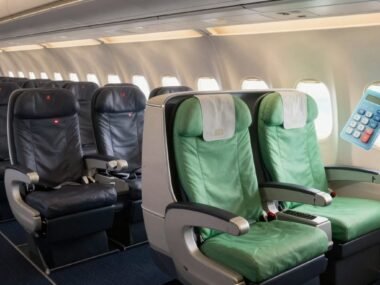
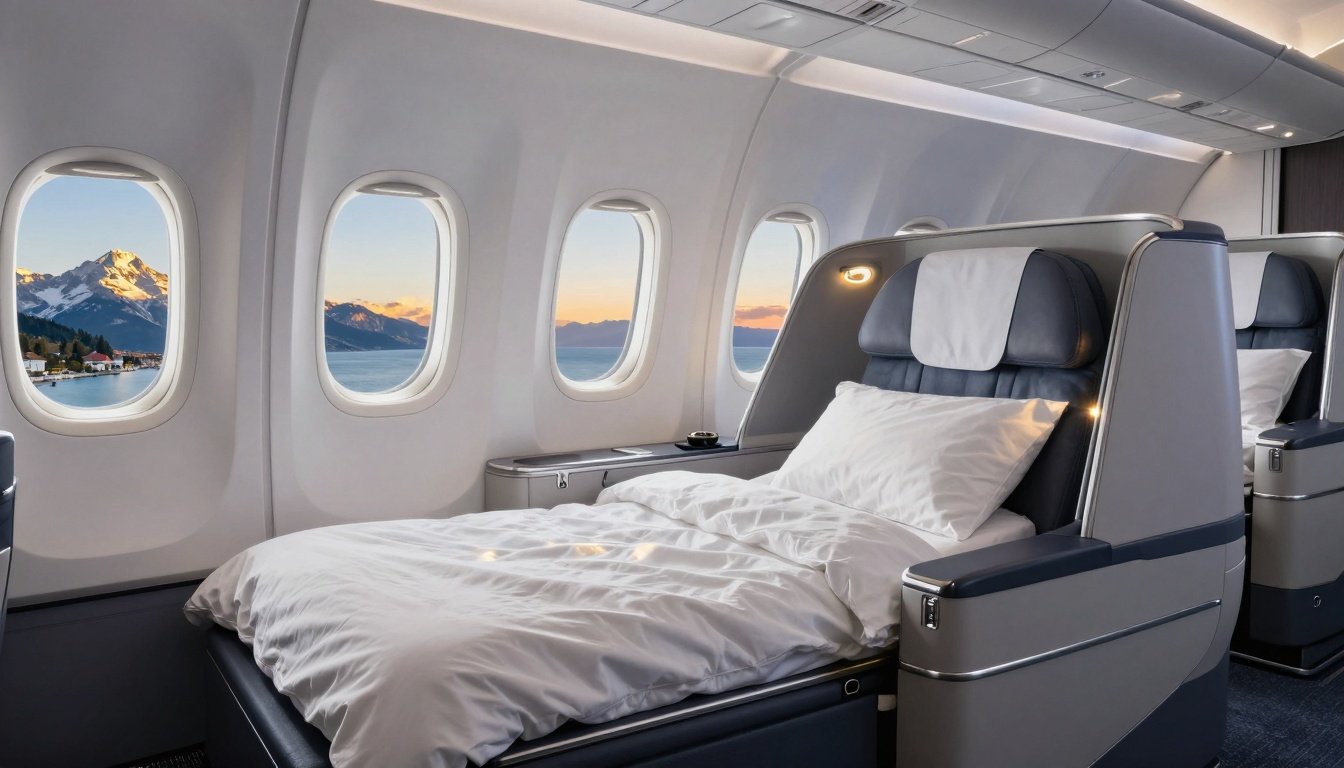
Next comes seat quality. On US to Europe routes, you want true lie-flat when possible. A seat that reclines a lot but doesn’t go flat can still leave you stiff after an overnight. Also note that the newest seats usually appear on specific aircraft types, not always on every flight of the day.
Nonstop versus one stop matters more than most people admit, especially for seniors. One connection adds walking, gate changes, and the chance of a missed flight if your first leg runs late. If you’re traveling with family, nonstop can also reduce “airport stress stacking” when everyone’s tired.
A “good deal” can mean a low cash fare or a low points price (plus taxes). The key is to compare like for like: same dates, same cabin, and the same route structure. If you compare a nonstop business fare to a one-stop mixed-cabin itinerary, you’re not comparing deals, you’re comparing different products.
For quick benchmarking across many dates, it helps to check a broad results page like KAYAK’s business class flights to Europe search, then you can validate the best-looking options directly with the airline before you pay.
Your quick deal checklist, price, layovers, seat type, fees, and arrival time
Before you click “buy,” run this quick checklist:
- Aircraft and seat: Confirm lie-flat vs angled, and check seat maps for privacy and aisle access.
- Layover length: Avoid tight connections; aim for time to move at a comfortable pace.
- Airport transfers: Watch for terminal changes, bus gates, and long walks.
- Baggage allowance: Confirm carry-on and checked bag rules, including weight limits.
- Lounge access: Verify it’s included for your fare brand, not “eligible if.”
- Change and cancellation rules: Know fees, credit rules, and refund options.
- Meals and seat selection: Confirm both are included, and when you can pick seats.
- Arrival time: A 6:00 am landing can mean long lines and no hotel check-in.
- Operating carrier: Check who actually flies the plane (especially on partners).
The biggest traps, mixed cabin, basic business fares, and confusing upgrade offers
Mixed-cabin itineraries are the most common surprise. You’ll see “business” in the headline, then notice one leg is economy, sometimes on the longest segment. That’s not a business class flight deal to Europe, it’s a pricing trick.
Another trap is intra-Europe “business class.” On some short-haul European flights, “business” may be the same seat as economy with the middle blocked, not a premium seat. That can still be fine, but you shouldn’t pay transatlantic-style pricing for it.
Upgrade offers also cause regret. A cheap “bid” upgrade can be standby, can clear late, and can split you from your family. If a stable plan matters (mobility assistance, medical equipment, or just lower stress), prioritize tickets that are business class from the start on the long-haul leg.
When to book business class flight deals europe, best windows, best days, and best seasons
Most travelers miss business class flight deals europe because they start shopping too late, or they only check once. For 2026 travel, a practical starting range is about 3 to 11 months ahead for many US to Europe routes. That window often captures both schedule stability and competitive pricing.
Last-minute sales do happen, but you can’t plan a family trip around them. If you need specific dates, nonstop flights, or you’re coordinating with a tour or cruise, treat last-minute as a bonus, not a strategy.
Season matters because demand drives premium pricing. Shoulder season tends to give you better odds and a better trip. Cooler temps, fewer crowds, and shorter lines are real comfort wins when you don’t want to rush through airports or packed museums.
Here’s a simple mini-plan for a 2026 trip:
- 11 months out: Pick 2 to 3 destination regions (example: London, Paris, Rome) and 2 US departure airports you can reach comfortably. Start tracking nonstop and one-stop options.
- 6 months out: Tighten to preferred dates, and decide your “buy price” range for cash and for points.
- 8 weeks out: Re-check daily for a short stretch. If you see a price that matches your rules and comfort needs, book and stop shopping.
Best times of year for lower business class prices, shoulder season routes that often price better
In general, late fall and winter weeks outside major holidays often price better than late June through August. Early spring can also work well before peak demand ramps up.
City choice can change the math. London and Paris can price differently than secondary cities, even when the flight time is similar. If you’re flexible, consider flying into one city and out of another. Open-jaw trips can reduce backtracking, and sometimes lower the total fare.
How flexible dates and nearby airports can unlock better business class flight deals europe
Flexibility doesn’t mean chaos. It means shifting departure or return by 1 to 3 days, and being open to one or two alternate airports.
On the US side, a nearby hub can open more nonstop options. On the Europe side, consider airports that still have strong ground links but less premium demand.
Comfort note: choose airports with easier connections and shorter walks when you can. A slightly higher fare can still be the better “deal” if it avoids a long terminal transfer or a sprint to a tight connection.
Step by step, how to find business class flight deals europe with free price tracking tools

If you want business class flight deals europe without spending hours searching, you need a system. Your goal is simple: set tracking once, then review on a schedule so you catch drops while they’re still bookable.
Price tracking is powerful because premium fares can move fast, and the best dips may last a weekend, sometimes less. Alerts help, but they aren’t perfect. Some price changes don’t trigger, some trigger late, and some show a fare that disappears when you click through. You should still check once a week, and more often inside your target window.
Use three channels together: Google Flights for clean fare graphs, Skyscanner for broad monitoring across sellers, and airline emails for flash sales. Keep notes on what “good” looks like for your route, so you don’t panic-buy.
Always read fare rules before paying. Confirm whether the ticket is refundable, what changes cost, and whether you’ll get cash back or only credit. If you’re booking for a parent, also confirm any needed medical assistance and wheelchair services early, then reconfirm before departure.
Google Flights walkthrough for business class to Europe (price alerts)
Google Flights is your control center for (price alerts). Set it up like this:
- Enter your route (start with your top 2 US airports).
- Add dates, then set cabin to Business.
- Turn on Track prices for that itinerary.
- Click the date grid to view flexible days, then try shifting by 1 to 3 days.
- Track both nonstop and one-stop versions, separately.
- If your schedule allows it, track a full month view for your target season.
Tip: build two or three tracked searches that cover your likely trip patterns (example: NYC to London nonstop, NYC to Amsterdam one stop, and NYC to Rome via a hub). This is how you catch real business class flight deals europe without living on airline sites.
Skyscanner alerts for route wide monitoring (price alerts)
Skyscanner can complement Google by watching a route more broadly and sometimes surfacing different pricing paths through online travel agencies (OTAs). Set up (price alerts) for your key routes and include nearby airports on both sides.
Be strict about where you book. If you choose an OTA fare, confirm support, fees, and baggage rules, then compare the same itinerary on the airline’s site. For many older travelers, booking direct is worth it because it’s easier to handle schedule changes, meal requests, and special assistance.
Airline newsletters and fare sales pages you should check (price alerts)
Airline sales often hit email first. Sign up for newsletters from airlines that serve your home airport and your preferred Europe gateways, then opt in for sale alerts. This can surface limited-time business class flight deals europe that don’t sit around long.
Safety check: confirm the email is from an official airline domain. If a link looks odd, don’t use it. Go to the airline site directly and search the same dates.
Senior smart ways to save, loyalty points, airline programs, and comfort first choices
The best savings for many seniors won’t come from a “senior discount.” They come from picking a route that reduces stress, using points well, and choosing fare rules that match real life.
Start by comparing cash to miles (point redemption). A points ticket can be a great deal when cash prices spike, but you must include taxes and any surcharges. Some routes add meaningful fees even on award tickets. You also need to weigh flexibility. Many award tickets are easier to change than discounted cash business fares, but rules vary by program.
Comfort-first choices matter. If you’re traveling with family, pay attention to boarding priority, seat location (near lavatories can be noisy), and connection design. If a one-stop itinerary saves money but adds two long walks and a tight connection, it may cost you more in fatigue than it saves in dollars.
On senior fares (senior discounts), set expectations. True senior discounts on international business class are uncommon, may be route-specific, and may require proof of age or membership. Still, it can be worth asking, especially if you want a flexible fare anyway.
For another reference point when you’re comparing options, you can cross-check aggregate business class listings at BusinessClass.com’s flights to Europe page, then validate any final price and fare rules directly with the airline.
Using miles for business class to Europe without wasting points (point redemption)
Use a simple value test: compare the cash fare you’d pay to the miles required, then subtract what you’d still pay in taxes and fees. If the miles option saves real money and fits your dates, it’s a win.
Also watch for partner awards. Sometimes a partner flight prices better in miles than booking the same seat through the operating airline. If you’re willing to “position” with a short domestic flight to a bigger gateway, you may open more award space and better cabins.
If your program allows holds or low-fee cancellations, use them when it reduces risk. That matters when family health needs can change plans.
Senior programs and special fares, what to ask airlines and what documents you may need (senior discounts)
When you call an airline, use a direct script:
“I’m booking business class to Europe. Do you offer any senior fare or age-based discount on this route and date? What age qualifies, does it apply to business class, and what are the change and refund rules? What documents do you require at check-in?”
Availability can be limited, and rules can vary by market. Always confirm terms in writing, or verify in the fare rules before you pay. If you’re booking for someone with medical needs, confirm assistance options and any paperwork requirements with the airline well before travel.
Conclusion
You don’t need perfect timing to find business class flight deals europe, you need a repeatable process. Pick 2 to 3 routes you’d actually fly, set alerts on Google Flights and Skyscanner, join airline newsletters, compare cash versus points, and book when the total value is strong and the rules fit your needs.
Keep your guard up: prices change quickly, senior eligibility varies, and fare rules decide whether you can change plans without a fight. If you want easier support, avoid risky third-party sellers and book direct when the price is close.
Start your alerts today. Tracking is the part that finds the deal, while you’re living your life.


 Enu
Enu