 Enu
Enuflight packages europe can feel like a moving target, because the price you see today can vanish by tonight. This 2025 to 2026 deal calendar gives you a simple way to pick the best months, know when to book, and avoid the package “savings” that disappear once fees hit your checkout screen.
You’ll get a month-by-month guide for 2026, plus practical rules that match how airfare and hotel inventory really behave. You’ll also see how to grab decent value in summer 2025, even when Europe is packed.
One more thing before you plan: prices change fast and availability is limited. A package that looks “locked in” may still allow price shifts until ticketing, and some hotels sell out long before flights do. Treat every quote as time-sensitive, then move quickly once the total trip price makes sense.
Flight packages Europe 2026, a smart deal calendar you can actually use

If you want cheaper flight packages europe, you need to understand why prices move. Two forces do most of the work:
- Demand spikes: school holidays, long weekends, major festivals, and summer beach weeks push both flights and hotels up at the same time.
- Inventory pressure: packages are built from flight seats and hotel rooms. When either side tightens, the package price jumps, even if the other side is still “cheap.”
A reliable baseline is timing. For many routes from Germany, the cheapest periods tend to be winter after the holidays and late autumn before December crowds. For a deeper timing breakdown, this guide on the best time to book flights to Europe is a useful reference point when you’re comparing your dates.
Month-by-month deal calendar for 2026 (quick, usable notes)
Use this as your planning map. It’s written for typical leisure travel patterns, not one-off flash sales.
- January 2026: Often the best value. Demand drops after New Year, so flight packages europe can price aggressively. Book early if you want ski areas or city events.
- February 2026: Still strong for deals outside school break weeks. Watch Valentine’s weekends in big cities, hotels can climb even when flights don’t.
- March 2026: Prices start to lift in many capitals as spring travel ramps up. You can still find value if you fly midweek and keep hotel standards flexible.
- April 2026: Shoulder season starts to shine, but Easter weeks can look like summer pricing. If you must travel around Easter, lock packages earlier than usual.
- May 2026: One of the most balanced months. Weather improves, crowds stay manageable, and packages can be priced below June and July. Great for city breaks and coastal “pre-season” stays.
- June 2026: Summer pricing begins. Early June can be fair, late June turns expensive fast. Book early if you need specific hotels or nonstop flights.
- July 2026: Usually the highest prices, especially around school holidays. If you see a package you like, don’t expect it to last. Build in flexibility on airports and hotel neighborhoods.
- August 2026: Still peak, but you may see better value late in the month as some travelers head home. Packages to major beaches stay expensive longer than city breaks.
- September 2026: A classic value month. Warm weather lingers, crowds ease, and flight packages europe often drop compared with August. If you can travel after the first half of the month, it’s even better.
- October 2026: Another high-value window, with one warning: event weeks (like big fairs or school holidays) can punch holes in the savings. Treat October as “mostly good, sometimes pricey.”
- Late October to November 2026: Often among the cheapest stretches. Hotels discount, and airlines compete harder on seats. If you want pure value, aim here.
- December 2026: Two different worlds. Early December can be reasonable, then prices surge for Christmas and New Year. If you want holiday markets, book early and compare total package cost across nearby airports.
A Germany-specific detail to keep on your radar: Germany has discussed aviation tax changes starting July 2026. That can affect fare math, but airlines don’t have to pass savings through to you. Watch real prices and book based on totals, not headlines.
Best months to book flight packages Europe (and when prices usually jump)
If your goal is cheap flight packages europe, timing beats almost every “secret hack.” The pattern is simple:
- Cheaper most years: January to February, late October, and November (outside holiday weeks).
- Good value: April to May and September to October (shoulder season).
- Pricier: June and July, with August close behind.
- Holiday surge: Christmas to New Year, and often Easter week.
A booking rule that works in real life: for most leisure trips, you’ll often do well 2 to 6 months ahead. For peak summer and major holidays, move earlier, often 4 to 10 months ahead, because popular hotels sell out and nonstop seats tighten.
You can also shift the odds with timing inside the week. Midweek departures (often Wednesday) tend to price lower than weekend departures. Fridays and Sundays can cost more because they fit work schedules.
Flight packages Europe summer 2025, how to find deals even in peak season
Summer is crowded, but you can still reduce the total bill if you act like a buyer, not a browser. With flight packages europe in June to August 2025, the savings usually come from flexibility, not luck.

Here’s what tends to work in peak season:
- Book earlier than you want to: If you wait for a perfect price, the best hotel inventory often disappears first.
- Fly midweek: A Wednesday outbound and Tuesday return can be cheaper than weekend-to-weekend.
- Use flexible-date views: Look at a whole month, then pick the cheapest week and build the package around it.
- Compare nearby airports: In Germany, that might mean Frankfurt vs. Düsseldorf, Munich vs. Nürnberg, Berlin vs. Leipzig. Small shifts can change taxes, fees, and airline competition.
- Don’t worship nonstop: A one-stop can cut the package price enough to upgrade your hotel. Just cap your layover time so you don’t lose a day.
- Use budget carriers inside Europe for add-ons: Once you land, airlines like Ryanair, easyJet, and Vueling can help you stitch a second stop for less than a rail pass, but watch baggage rules.
A quick “don’t overpay” checklist before you click buy:
- Baggage: checked bag costs, carry-on size limits, and whether bags are included at all.
- Transfers: airport transfers can swing value, especially for resorts outside the city.
- Hotel location: a cheap hotel far from transit can erase savings in taxis and time.
How to choose the right flight packages Europe, what is included, what is not
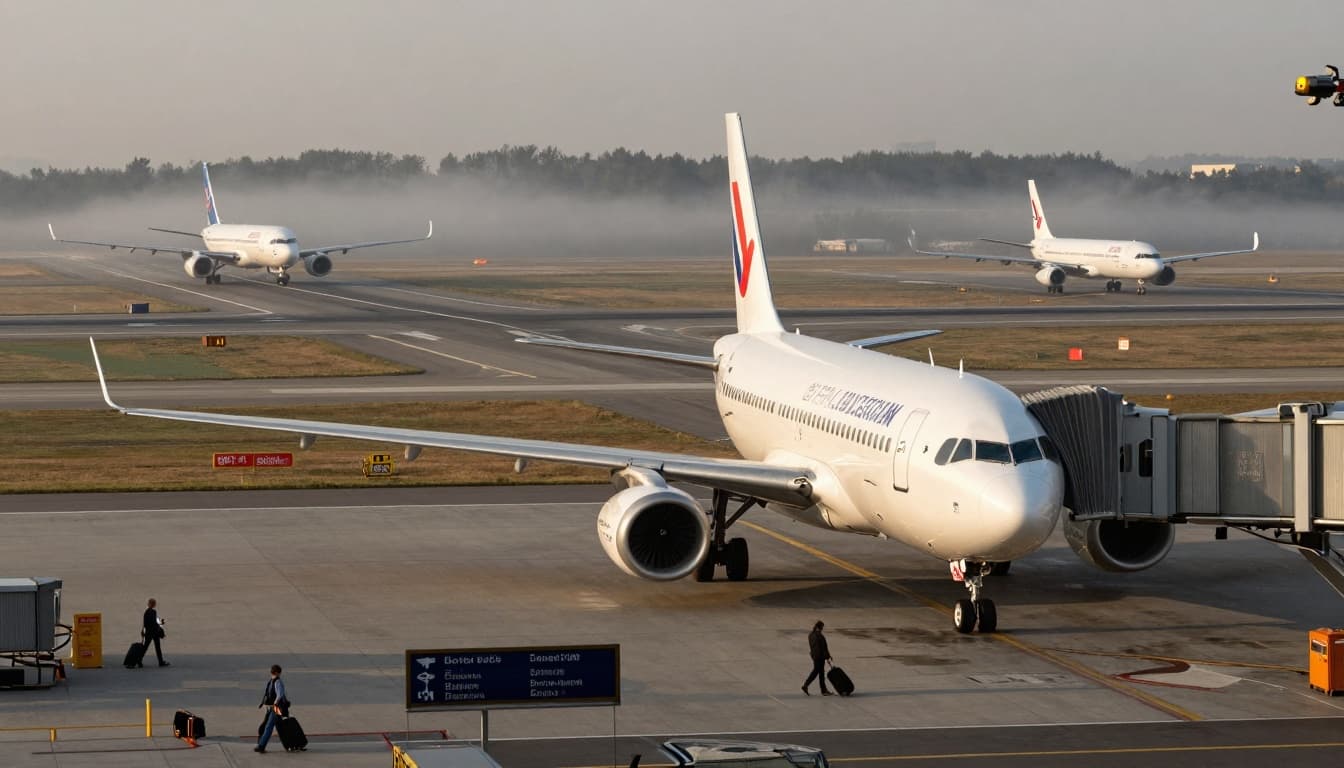
A flight packages europe deal is only “cheap” if the included parts match what you’d buy anyway. Packages vary a lot, and the label on the search results rarely tells you what matters.
Common package formats you’ll see:
Flight plus hotel: Best for city breaks and simple one-base trips. You usually get the strongest savings when hotels are discounting in off-peak weeks.
Multi-city packages (sometimes with rail): Built for two or more stops. These can work well when you’d otherwise buy multiple flights or open-jaw tickets.
Guided tours with flights: You pay for structure. Value depends on group size, hotel quality, and how much free time you want.
Build-your-own bundles: You choose flights and hotels, sometimes with car rental. This is where hidden fees and strict change rules show up most.
Your money risks usually come from fine print, not headline price. Read the terms for:
- baggage and seat selection
- hotel taxes or resort fees
- change rules and “re-price on change” clauses
- transfer times, especially if the itinerary uses remote airports
If you’re buying flight packages europe for 2026, treat the package as a contract. If a detail matters to you (late check-in, bed type, free cancellation), confirm it in writing before you pay.
Flight plus hotel vs multi-city packages, which saves you more
Flight plus hotel wins when you’re doing a 2 to 5-night trip in one place and you care about hotel location. You can compare a few neighborhoods and pick the best value.
Multi-city packages win when you’re doing 7 to 14 nights and want two or three stops. They reduce planning, and open-jaw routing can lower airfare compared with backtracking.
A simple decision guide:
- If you’re visiting 1 city, pick flight plus hotel.
- If you’re visiting 2 to 3 cities, price a multi-city bundle, then compare it to booking flights and hotels separately.
- If you hate planning, a guided package can still be good value, but only if hotels and transfers are at the standard you’d choose yourself.
Before you book, check these package deal breakers (baggage, fees, changes, and insurance)
Use this pre-book scan. It catches the biggest cost surprises in flight packages europe:
- Carry-on rules: low-cost fares often price baggage separately.
- Checked bag costs: confirm the total for both directions.
- Hotel taxes and local fees: some are paid at check-in, not at booking.
- Transfers: know the cost and travel time from the airport you’re actually using.
- Cancellation windows: “free cancellation” can mean a short window, not the whole timeline.
- Rebooking fees: some packages re-price the whole trip when you change one flight.
- Passport and visa checks: rules depend on your nationality and destination.
- Flight times and connections: verify every segment, especially if one leg is operated by a partner airline.
Disclaimer: This is general travel information, not financial, legal, or insurance advice. Package terms vary by provider, route, and fare class, and they can change without notice.
Beyond Europe, add-on long-haul deals from Europe to Asia and Australia (2025 to 2026)

Sometimes you’ll buy flight packages europe to get to a hub city, then add a long-haul flight on top. This can lower your total cost if you time it right.
Real-world deal data shows Asia can swing wildly on price, with promo fares reported as low as about €151 round-trip on some Europe to Asia routings, and other deals around €348 depending on carrier and stops. Australia is usually pricier, with typical round-trip economy prices often €780 to €2,000+, and only limited nonstop options.
Flight deals Europe to Asia, where you can find the biggest price swings in 2026
Asia deals tend to appear as short promos, often on one-stop routes through major hubs (Istanbul and Dubai are common patterns). The swing comes from competition and capacity.
Your practical plan:
- Search with whole-month views so you can spot the cheapest weeks.
- Set alerts early, then buy when the total is right, because promo seats sell quickly.
- Consider one-stop routings when the nonstop price is high.
- If the total price is close, booking direct with the airline can simplify changes.
- Re-check baggage rules and connection times, because “cheap” fares often strip out extras.
Flight deals Europe to Australia, realistic prices, best routing hubs, and when to book
For Australia, most itineraries are one-stop via Middle East hubs (like Doha or Dubai) or Asia hubs (like Singapore or Bangkok). Prices can be low in rare promos, but most travelers should budget in the broad range above, with the highest pricing during December to February.
A money-focused playbook:
- Be flexible on departure airports and days, midweek often helps.
- Consider Perth as an entry point, it can price better than Sydney or Melbourne on some routings.
- Avoid peak weeks if you can, even shifting by 7 days can matter.
- Compare aggregator tools with airline sites, and verify total baggage and card fees. Skyscanner’s tools for flexible date scanning can help you map price ranges fast, including on its cheap flights to Australia page.
Conclusion
If you want flight packages europe that actually save money, you need a simple plan you can repeat. Pick your target month using the 2026 calendar, run flexible searches across a few nearby airports, and set price alerts so you see drops quickly. When a deal hits your comfort zone, double-check inclusions (bags, transfers, taxes, change rules) before you pay.
Keep your expectations realistic: prices change fast, availability is limited, and package terms vary by provider and fare class. This article is general travel info, not financial or legal advice.
Stay flexible, move early for peak dates, and book when the total trip price fits your budget, not when the headline discount looks pretty.


 Enu
Enu