 Enu
EnuImmigration lawyers in Germany can be the difference between a clean approval and months of avoidable delays. When you’re trying to start a job, reunite your family, or lock in long-term residence, the rules can feel like a maze with moving walls.
Germany’s system is structured, but it’s also document-heavy and deadline-driven. Small errors often don’t look “small” to an immigration office. A missing page, a wrong translation, or a mismatch between your contract and your permit category can stall everything.
This guide helps you hire the right legal support, understand typical fees (including “free consultation” offers), and keep up with key 2025 to 2026 changes that affect skilled workers, families, and long-term plans.
When you actually need immigration lawyers in Germany (and when you don’t)
Not every case needs a lawyer. But some situations carry enough risk that going alone is like moving furniture down a narrow stairwell without measuring the doorway first.
You’ll usually benefit from immigration lawyers in Germany if you face any of the issues below:
- You have a prior visa refusal, overstay, or a tight deadline tied to a job start date.
- Your case depends on a specific legal category (EU Blue Card, skilled worker permit, family reunification, self-employment).
- Your employer is unsure what to do, or HR gives you conflicting advice.
- The local Ausländerbehörde asks for unusual extra documents, or keeps “pausing” your file.
- You need a formal objection, appeal, or urgent court filing.
You may not need a lawyer when your case is simple and predictable (for example, a straightforward extension with stable employment and unchanged circumstances). Even then, some people still hire counsel for peace of mind, or because missing work to chase appointments costs more than legal fees.
What immigration lawyers in Germany actually do for you

A strong lawyer doesn’t just “fill out forms.” The best value is strategy and risk control. Good immigration lawyers in Germany look at your full profile and choose the path with the highest approval odds and the least long-term downside.
Here’s what that often includes:
Case planning: Matching your real situation to the right legal basis (job title, salary, degree recognition, training, work history, family ties).
Document architecture: Building a coherent file so the officer sees a clear story, with no contradictions between your contract, CV, degree, and residence goal.
Authority communication: Drafting letters in German, responding to requests, and keeping tone professional and precise when the office is slow or unclear.
Employer coordination: For work permits, your lawyer often aligns job descriptions, salary thresholds, and contract terms with the permit category.
Problem response: Handling rejections, hearing letters, or enforcement issues. This is where legal training matters most, because mistakes can affect your right to stay.
If you’re coming from the United States, it also helps to work with someone who can explain German administrative logic in plain English, and translate the real meaning of official letters without sugarcoating.
How to choose the right immigration lawyer in Germany (your due diligence checklist)
Picking among immigration lawyers in Germany is less about the fanciest website and more about fit. Your case type, your city, and your timeline all matter.
1) Confirm they’re qualified and truly focused on immigration
In Germany, lawyers are “Rechtsanwalt” and are admitted to the bar. Many firms “cover” immigration as a side service. You usually want a practice that handles immigration weekly, not twice a month.
Ask directly:
- How many cases like yours they handle per month
- Whether they handle court work (if your case may escalate)
- Who will do the work (partner vs junior associate)
2) Look for local experience with your Ausländerbehörde
Germany is federal, but practice varies by city. What works smoothly in one place can move slowly in another because each office has its own workload and preferences.
If you’re searching “immigration lawyer near me,” don’t treat it as a lazy search. It’s a smart filter. A lawyer who deals with your local office often knows common document requests and processing patterns.
Also, compare your plan against official government guidance to sanity-check the basics. The federal site Make it in Germany is a solid starting point for skilled work pathways and general requirements.
3) Test communication before you sign
A serious immigration matter needs fast, clear responses. During intake, notice these signals:
- Do they summarize your case accurately?
- Do they flag risks without scaring you?
- Do they give a written scope of work and next steps?
If the intake feels rushed or vague, your file may be treated the same way.
4) Ask how they handle timelines and bottlenecks
Good immigration lawyers in Germany don’t promise approval. They promise process control.
Ask:
- What’s the plan if the office doesn’t respond?
- Will they escalate via written submissions, supervisory contact, or legal remedies when justified?
- What’s the expected timeline range in your city?
City-specific searches, “near me,” and what to look for on local landing pages
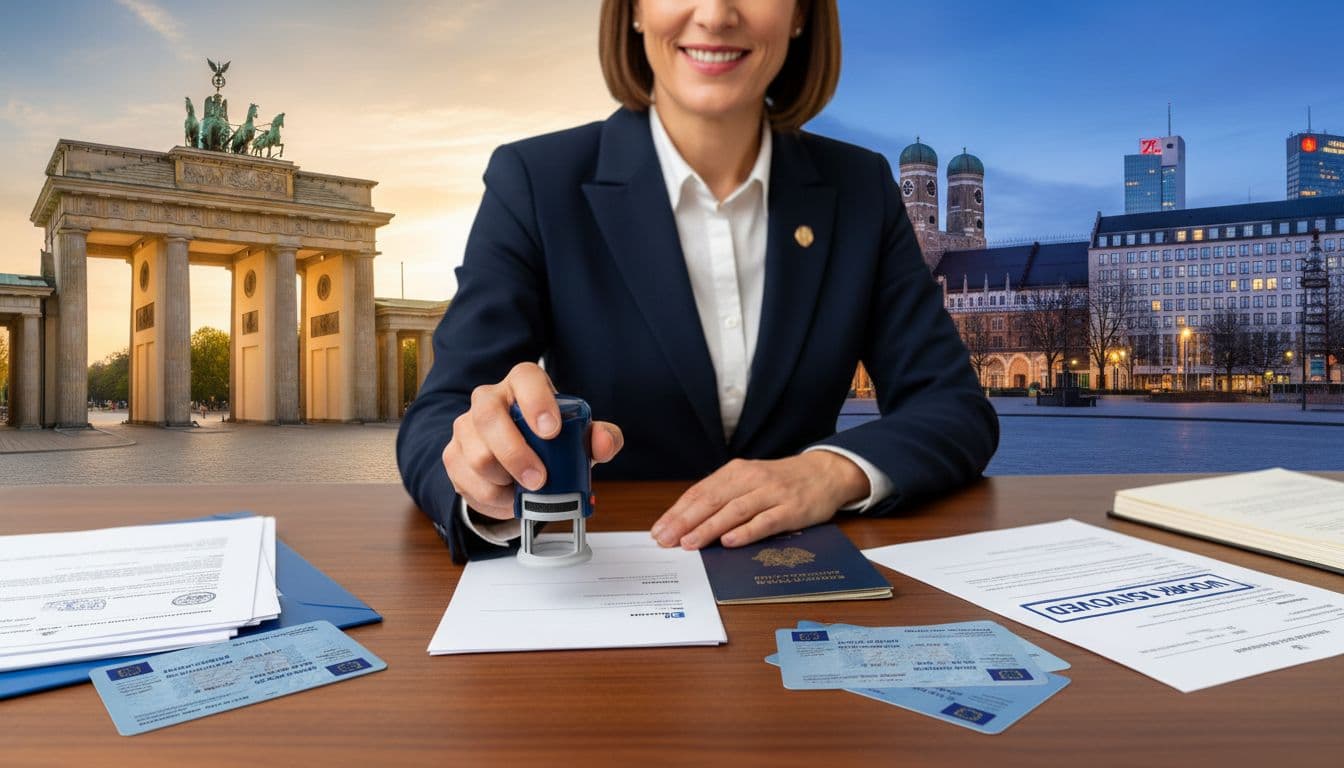
If you’re comparing immigration lawyers in Germany in places like Munich, Berlin, Frankfurt, Hamburg, or Cologne, treat the city as part of the legal strategy. Not because the law changes, but because local office workflows and appointment availability can.
When you review a firm’s local page (for example, “Munich immigration lawyer for work visas”), you want proof that the firm is real, reachable, and locally grounded:
- A physical address that matches their Google Business Profile
- A local phone number and consistent NAP (name, address, phone)
- Clear practice focus (work permits, Blue Card, family reunification)
- A transparent intake process (what they need from you, how fast they can start)
If you’re building or improving your own local page as a firm, schema also matters. Using schema.org LegalService markup with consistent NAP and localized copy can help you show up for high-intent searches like “immigration lawyer Munich near me.” It also reduces confusion for clients who need quick confirmation that you’re in the right city for their case.
Fees, free consultations, and what “price signals” really mean
Legal costs are a top concern, and “immigration lawyer free consultation” is a common search for a reason. A free first call can be useful, but only if it’s structured.
A real consult should produce:
- The likely permit category (and backups)
- A document plan
- A timeline range
- A written fee estimate
In Germany, some legal fees can follow statutory fee rules (RVG), but many immigration matters are billed under agreements, flat fees, or hourly rates. Always get the fee terms in writing.
Here’s how typical billing models compare:
| Fee model | Best for | What to clarify before you sign |
|---|---|---|
| Flat fee | Standard applications (first permit, extension) | What’s included (letters, follow-ups, extra documents) |
| Hourly | Complex cases with unknown scope | Billing increments, monthly caps, and reporting cadence |
| Package tiers | Work visas with employer coordination | Which steps are “out of scope” and billed extra |
| Free initial call | Quick screening | Whether it’s legal advice or just intake |
If you want cost control, ask for a flat fee with defined deliverables. If your case is risky, hourly can be fairer, but only with clear tracking.
What’s new in German immigration law for 2026 (and why it matters for your case)
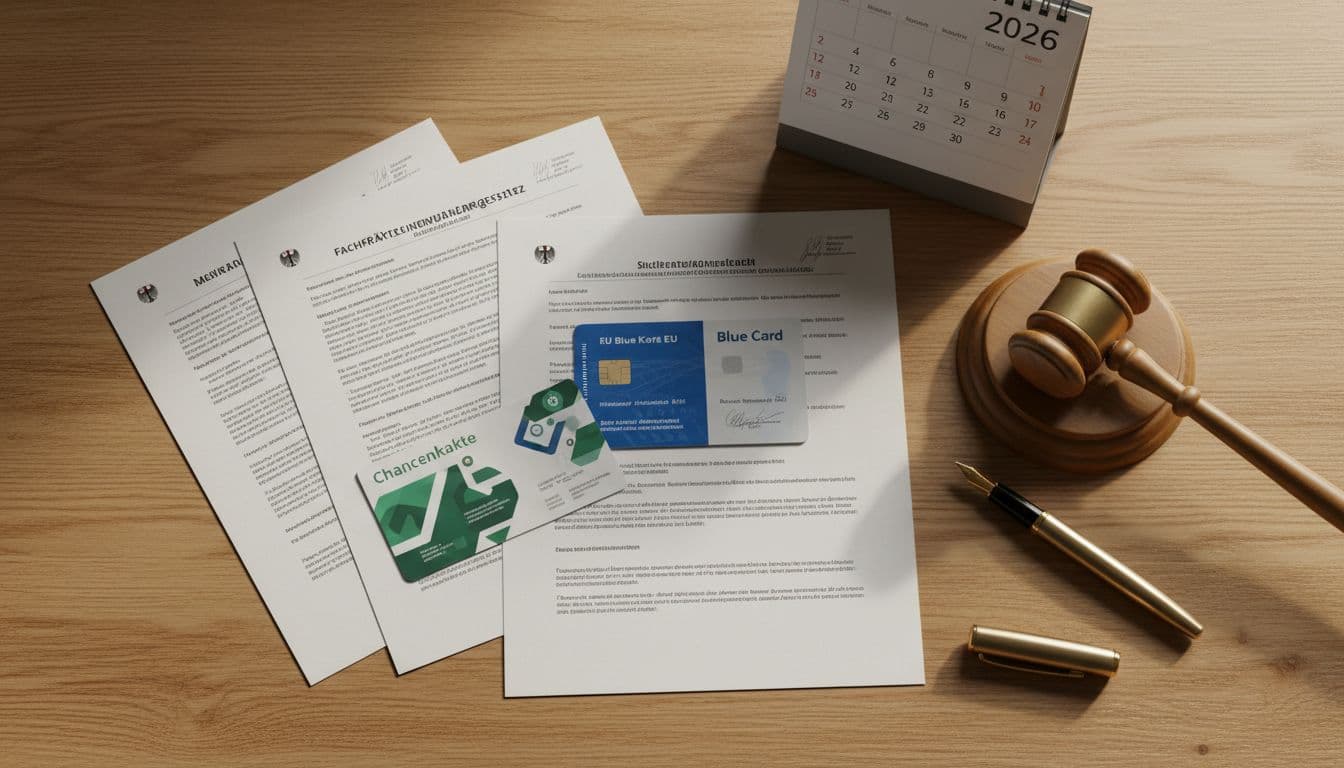
You’re not imagining it if the rules feel like they keep shifting. Through 2025 and into 2026, Germany is trying to balance two goals that pull in opposite directions: tighter control on irregular migration, and easier entry for skilled workers.
This is where immigration lawyers in Germany earn their keep, because your application has to match the current interpretation, not last year’s blog posts.
Key developments you should understand:
Opportunity Card (Chancenkarte): This pathway supports job searching in Germany without having a job offer first, for qualifying non-EU applicants. If your plan is to enter, search, and convert to a work permit, your documentation and timeline need careful sequencing.
Skilled Immigration focus: Germany continues to make entry easier for people with recognized training, not only university degrees. That widens options, but it also creates more category choices, and more chances to pick the wrong one.
EU Blue Card changes (aligned with EU rules): Updates have aimed to speed access for qualifying applicants and loosen “exact match” job restrictions (with exceptions for regulated professions). If your salary and qualification fit, the Blue Card can be a strong route with clear long-term upside.
Family reunification shifts: Rules have been eased for skilled workers in certain areas (for example, less emphasis on proving enough living space). At the same time, family reunification has been restricted for some protection statuses, including a two-year suspension starting in 2025 for people with subsidiary protection. Your status category matters a lot.
January 1, 2026 employer information requirement: Employers hiring workers from abroad under local German contracts must inform workers on day one about free labor-law advice options. This is about protection against exploitation and underpayment. It doesn’t replace your immigration paperwork, but it changes onboarding compliance and can affect how employers structure hiring.
Citizenship timeline debate: Reports indicate the fast-track option after three years is being rolled back in favor of five years of legal residence, though political debate continues. If long-term residence and citizenship are part of your plan, this can affect how you plan work permits, language study, and continuity of residence.
If you want a shortcut to reality, hire immigration lawyers in Germany who discuss these changes in practical terms and adjust your case strategy to the current policy climate, not generic “one size fits all” checklists.
If you’re still searching for a vetted starting list in a major city, a directory can help you compare options and languages. For Berlin, you can review listings on Lawzana’s immigration lawyers in Berlin and then confirm credentials and fit through direct consultations.
Your prep checklist for a first consultation (save time, save money)
A first meeting goes better when you show up with a clean file. It also helps immigration lawyers in Germany quote more accurately, because they can see complexity upfront.
Bring or send:
- Passport ID page, current visa or residence permit, and entry stamps (if relevant)
- Current registration (Anmeldung) if you live in Germany
- Employment contract, job description, salary details, and start date
- CV and degree or training certificates, plus recognition status if you have it
- Marriage and birth certificates for family cases, plus translations if required
- A short timeline of your travel and residence history
- Any letters or emails from the Ausländerbehörde
One tip: write down your “non-negotiables” (start date, city, spouse timeline). Lawyers can’t change the law, but they can plan around constraints.
Important legal and medical disclaimer (read this)
This article is educational and isn’t legal advice. Immigration outcomes depend on your facts, local office practice, and current rules. For advice on your situation, speak with qualified immigration lawyers in Germany or your legal representative.
Also, moving countries can affect stress, sleep, and health routines. This content doesn’t provide medical advice, diagnosis, or treatment. If you have health concerns, talk with a licensed clinician.
Conclusion: hire for outcomes, not reassurance
You don’t hire immigration lawyers in Germany because you want more paperwork. You hire them to reduce risk, control timelines, and keep your status protected while you build your life in Germany.
Focus on local experience, clear fee terms, and direct communication. Bring a complete document set, ask hard questions, and insist on a written plan.
If your future depends on a permit approval date, precision beats optimism every time.


 Enu
Enu