 Enu
EnuItaly draws students worldwide with its blend of history, culture, and strong academics. Public Italian universities stand out for low costs and high rankings. You get world-class degrees without breaking the bank.
These schools offer programs in English, especially at master’s level. Fees often stay under €4,000 a year, with scholarships that cut them further. This guide covers top picks, admissions, costs, and tips to apply.
Top Public Italian Universities Ranked for 2026
Public Italian universities lead global lists. Politecnico di Milano tops QS World University Rankings 2026 at =98 worldwide. It excels in engineering, architecture, and design.
Sapienza University of Rome ranks 128. This massive school covers sciences, humanities, and medicine. University of Bologna, Europe’s oldest, shines in law, arts, and broad fields.
Other stars include University of Padua with over 40 English programs in biomedicine and psychology. University of Pisa stands strong in math and computer science. Politecnico di Torino focuses on tech with industry ties.
University of Milan leads in medicine and economics. University of Florence draws arts lovers. Trento and Naples Federico II round out popular choices for research.
For a full directory, check the official Universitaly search tool.
Why Study at Public Italian Universities?
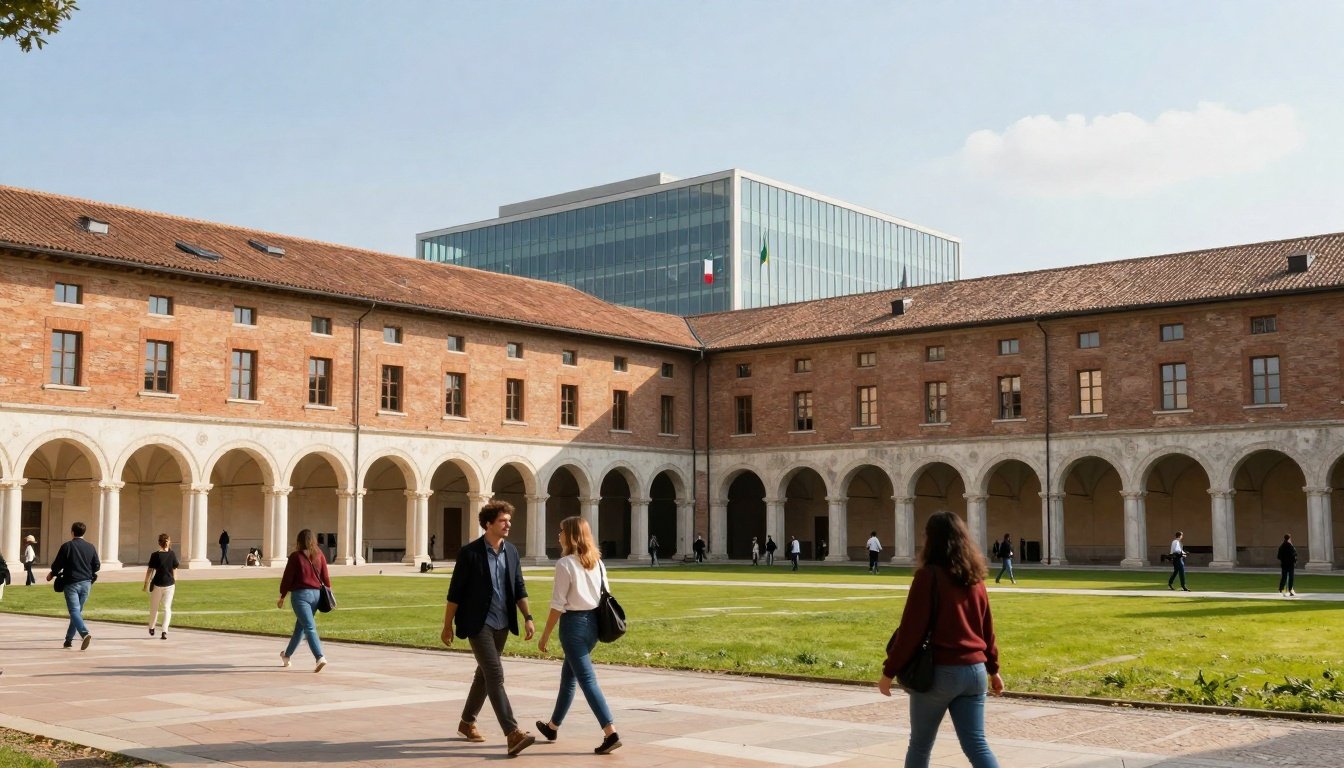
These institutions mix ancient roots with modern research. Campuses sit in vibrant cities like Milan, Rome, and Bologna. Students enjoy gelato breaks amid lectures.
Public funding keeps quality high. Degrees hold value across Europe via the Bologna Process. Many grads land jobs in EU firms.
International offices help with everything from housing to events. Past students praise quick support, like chats with upper-year peers. One engineering student at Glasgow via similar paths settled fast and loved the course fit.
Tuition Fees and Costs Explained
Public Italian universities charge based on family income. Expect €1,000 to €4,000 yearly for non-EU students. Politecnico di Milano hits €4,000 max; Sapienza starts at €1,000.
Lower-income families pay less, sometimes zero with ISEE forms. Living costs add €800-1,200 monthly for rent, food, and transport in cities like Padua or Pisa.
Compare this to private options elsewhere. Italy saves thousands. Regional aid like EDISU covers meals and dorms.
Admission Process for International Students
Start early. Non-EU students pre-enroll via Universitaly portal after university acceptance.
Pick bachelor’s (3 years), master’s (2 years), or PhD. Check English programs on school sites. Need IELTS 6.0-6.5 or Italian B1-B2.
Gather high school diploma or bachelor’s transcripts, passport, CV, motivation letter. Some fields like medicine require IMAT test; architecture needs portfolios.
Apply online per university. Deadlines vary, often April-July for fall. Pay small fees if asked.
Post-acceptance, get type D visa with funds proof (€6,000+ yearly), insurance, housing. EU students skip visa but register locally.
For details, see this guide on Italian university applications.
English-Taught Programs and Popular Fields
Over 500 English bachelor’s and 1,000+ master’s exist. Engineering at Politecnico schools dominates. Medicine, business, and design follow.
Padua offers psychology; Bologna law. Pisa suits math fans. Check Wikipedia’s list of universities in Italy for options.
Students like one in veterinary medicine rave about settling in and making friends. Courses match dreams perfectly.
Scholarships and Financial Support
Italy aids internationals. MAECI government grants cover fees and stipends. University-specific like Unibo Action at Bologna or Padua Excellence pay tuition plus €8,000 yearly.
Regional DSU scholarships provide housing. Merit ones at Milan or Torino reward top grades. Apply post-admission; need income docs.
One recipient thanked teams for goal clarity and program fits, landing mechanical engineering spots.
Life on Campus and Beyond
Public Italian universities buzz with fairs, webinars, clubs. Cities offer history, food, beaches. Milan pulses with fashion; Florence arts.
Support eases visas, dorms, fun spots. Students report stress-free processes, from apps to CAS letters.
Challenges? Competitive spots in medicine. But counselors guide well.
Pros and Cons of Public Italian Universities
| Pros | Cons |
|---|---|
| Low fees with reductions | Entrance tests for some fields |
| High global rankings | Italian bureaucracy for visas |
| English programs growing | City living costs vary |
| Scholarships abundant | Fewer English bachelor’s |
| Historic campuses, culture | Income proof for low fees |
Common Pitfalls and How to Dodge Them
Pick wrong program language. Solution: Verify English on official sites first.
Miss deadlines. Track April-July windows per school.
Skip ISEE. Submit family income early for fee cuts.
Ignore tests. Prep IMAT or portfolios months ahead.
Overlook regions. Northern schools cost more; south cheaper living.
Forget residence permit. Apply within 8 days of arrival.
Tips for Securing a Spot
Research 5-6 fits by major. Engineering? Milano, Torino.
Build strong CV, letters. Get recs from profs.
Practice language tests early.
Attend virtual open days.
Apply scholarships same time as uni.
Budget for initial visa funds.
Network via student forums.
Visit Hussain Silat’s list for 2026 intakes for deadlines.
FAQs
How much do public Italian universities cost?
€1,000-€4,000 yearly, often less with aid.
Do they offer English degrees?
Yes, hundreds at master’s; growing at bachelor’s.
What’s the visa process?
Pre-enroll, show admission, funds, insurance.
Need entrance exams?
Yes for medicine (IMAT), some engineering.
Scholarships for non-EU?
Plenty: government, regional, university.
Best for engineering?
Politecnico di Milano or Torino.
Public Italian universities deliver value unmatched elsewhere. Top ranks, low costs, rich life await.
Start with your top 3 fits. Apply soon for 2026. Confirm details on official sites always.


 Enu
Enu