Enu
EnuImagine earning a degree in the sun-soaked Mediterranean while gaining access to EU job markets. Malta offers that chance with study in Malta universities for international students. Programs taught in English draw thousands from around the world each year.
This guide covers top schools, costs, visas, and steps to apply. You’ll get real facts for 2026 intakes. Always check official sites for the latest details.
Why Choose Malta for Your Studies
Malta blends history, beaches, and quality education. As an EU member, it lets non-EU students work part-time and travel freely in Schengen. Universities focus on practical skills in business, IT, medicine, and arts.
English serves as the main language. This eases the shift for students from India, Asia, or Africa. Small class sizes mean more professor time. Graduates often land jobs in Europe or back home.
Living costs stay lower than the UK or US. Expect warm weather year-round. Students praise the safe vibe and friendly locals.
Top Universities in Malta for International Students
The University of Malta (UM) leads as the main public option. Located in Msida near Valletta, it offers over 200 programs. Think medicine, engineering, law, and IT. For details on international support, see the University of Malta’s international students page.
UM ranks high in sustainability and hosts global events. Non-EU students pay fees but get research chances.
Next, the Malta College of Arts, Science and Technology (MCAST) shines for hands-on training. It covers tourism, aviation, and tech. Check MCAST’s page for international students for program lists.
Private spots like the American University of Malta or GBSB Global Business School add business degrees. They suit career changers. A full list appears on sites like Studies Overseas.
Admission Requirements at Malta Universities
Most programs need a high school diploma for undergrad or a bachelor’s for master’s. UM asks for A-levels or equivalent. GPA matters; competitive fields like medicine want strong grades.
English proof comes via IELTS (5.5-6.5) or TOEFL. Some waive it with prior English studies.
Submit transcripts, passport, CV, and motivation letter. PhDs require research proposals. Deadlines hit early for non-EU: July 1 for October 2026 at UM.
Private colleges like Malita keep it simple: pay €150 fee, send basics.
Visa Process for Studying in Malta
Non-EU students apply for a Type D student visa. Start with university acceptance. Pay first-year fees for the final letter.
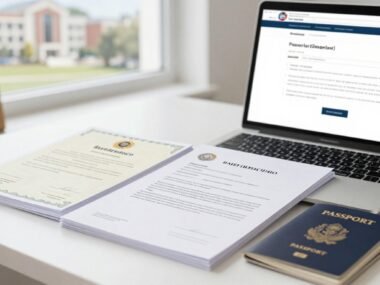
Gather passport, offer letter, insurance, funds proof (€800/month), and housing details. Book via VFS Global or embassy. Allow 8-12 weeks.
Once in Malta, get an e-residence permit within days. Part-time work up to 20 hours weekly helps costs.
Tuition Fees and Living Expenses in 2026
Non-EU undergrad fees at UM run €8,500-€13,400 yearly. Master’s similar, PhDs lower with waivers. MCAST charges €6,000-€10,000.
Private options: €6,500 for diplomas, €8,000 for BBA/MBA at Malita.
Living runs €600-€1,000 monthly. Rent €300-€600 shared, food €200-€300, transport €50. Total first year: €15,000-€25,000 including tuition.
Scholarships and Funding Options
UM’s Postgraduate Scholarship Scheme waives 40-100% tuition for non-EU master’s/PhDs. Apply by April 30, 2026, post-offer.
Erasmus+ covers exchanges. Home governments or banks offer loans. Part-time jobs in cafes or tutoring add income.
Few full rides exist for undergrads. Self-fund or seek country-specific aid.
Step-by-Step Application Guide
- Pick program via university sites.
- Check English and academic needs.
- Gather docs: transcripts, passport, essay.
- Apply online; pay fee.
- Get conditional offer, pay tuition for final letter.
- Apply visa 8-12 weeks early.
- Book flights, housing.
- Arrive, register permit.
Before paying: Confirm deadlines, read reviews, verify funds proof.
Student Life and Accommodation
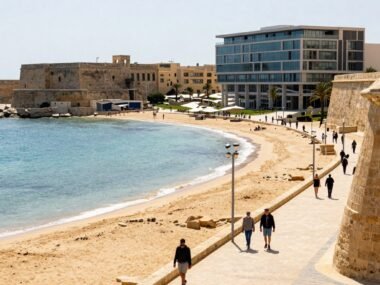
Campus buzzes with clubs, sports, and festivals. Valletta offers history walks; Gozo, beaches. Safety ranks high.
Housing: university dorms €300/month or private shares €400-€600. Universities help match roommates.
Food mixes Italian, Arab flavors. Cheap street eats abound.
Pros and Cons of Studying in Malta
| Pros | Cons |
|---|---|
| English programs | Higher non-EU fees |
| EU access post-grad | Small country, fewer options |
| Low living costs | Competitive visas |
| Sunny weather | Limited nightlife vs big cities |
| Work allowed | Hot summers |
Common Pitfalls and Fixes
- Miss deadlines: Set calendar alerts for July 1 non-EU.
- Weak English scores: Prep IELTS early.
- No funds proof: Save bank statements three months prior.
- Skip housing: Contact unis for letters.
- Ignore insurance: Buy covering €30,000.
Tips for Success in Malta Universities
Shop sales for flights. Join Facebook groups for roommates. Use buses over taxis. Cook to save. Network at career fairs. Learn basic Maltese phrases. Visit Gozo weekends. Track scholarships monthly. Budget via apps. Attend open days virtually.
FAQs
What IELTS score for Malta unis?
Usually 5.5-6.5; check program.
Can I work while studying?
Yes, 20 hours/week non-EU.
Top fields?
IT, business, medicine, tourism.
February intake available?
Yes, at UM; apply by Jan 30, 2026.
Costs for Indians?
Same as others; seek Indian scholarships.
Post-study work visa?
Six months job search.
Safe for solo students?
Very; low crime.
Conclusion
Study in Malta universities for international students opens EU doors affordably. Pick UM or MCAST, follow steps, secure funds.
Ready? Visit Study.eu for programs. Book counseling now. Your Mediterranean adventure awaits.


 Enu
Enu