 Enu
EnuUS tourist visa renewal Philippines searches usually come down to three things: who can renew, who can skip the interview, and what documents get asked for in Manila. This listicle breaks down the real process people follow, from forms and fees to pickup.
Always confirm prices and policies on the official site.
Quick Answer (Read This First)
- US tourist visa renewal Philippines is not a “renewal stamp”, it’s a new B1/B2 visa application based on a previous visa record.
- Many applicants renew through the Interview Waiver Program when they meet the post’s rules (often tied to how recently the prior visa expired).
- The core flow is DS-160, pay the MRV fee, then follow the U.S. visa appointment and document-delivery system used in the Philippines.
- A prior B1/B2 doesn’t guarantee approval, the officer still checks purpose, funds, and intent to return.
- Most document lists overlap with first-time applicants, but prior visa and travel history become more important.
- Fees are generally non-refundable once paid, even if an application is refused.
- Current post-specific details are published through official Manila guidance, including updates that change over time.
- Status tracking and passport delivery are handled through the same portal used for scheduling.
What Is USTravelDocs Philippines and What Does It Do?
USTravelDocs Philippines is the official online system used in the Philippines for U.S. nonimmigrant visa scheduling, fee-related steps, and document delivery options. It’s the place where renewal applicants usually confirm whether they’re routed to interview waiver (drop-off) or an in-person interview.
In practical terms, it connects three parts of the process: your DS-160 confirmation, your MRV fee payment record, and your appointment or document-submission instructions.
It also supports tracking of passport return after a decision, depending on the delivery method you selected during registration.
For the official renewal flow, see USTravelDocs renewal instructions.
Key Features of US Tourist Visa Renewal Philippines
- Interview Waiver Program screening that routes some renewals to document drop-off instead of an interview.
- A consistent renewal path that still uses the DS-160 as the main application record.
- A single account that manages appointment letters, delivery addresses, and status notifications.
- Clear document checklists that vary by case type (employed, self-employed, student, retiree).
- Visa fee validation windows that affect when scheduling can happen.
- Passport tracking after the consular decision.
- Post-specific rules that can change, based on Manila workload and policy updates.
1. Eligibility Basics: What “Renewal” Really Means
US tourist visa renewal Philippines is commonly called “renewal,” but the U.S. process treats it as applying for a new B1/B2 visa using a previous visa history. The prior visa helps because it shows you were issued a U.S. visa before, and your travel record may be reviewed.
Eligibility is usually framed around having held the same visa category previously (often B1/B2), still having the same purpose (tourism or business visits), and having no disqualifying immigration issues. In Manila, a major practical divider is whether your prior visa is still valid or expired within a set window that may qualify you for interview waiver.
Post-specific eligibility details are published for Manila, including renewal guidance and local requirements, so official Manila sources matter more than generic global checklists. A helpful starting point is Manila post information.
2. Interview Waiver Program: What It Is and Who Gets Routed to Dropbox
The Interview Waiver Program (often called “dropbox”) is the path where a renewal applicant submits documents and a passport without speaking to a consular officer in person. This is one of the biggest reasons people search US tourist visa renewal Philippines, because it can reduce time spent in queues and reduce appointment pressure.
Based on current Manila-oriented guidance seen across official resources, a common rule is that the previous B1/B2 visa must be valid or have expired within the recent window used by the post (often referenced as 48 months), and the applicant must have a clean record such as no overstays and no recent refusals. If the system determines you’re not eligible, it routes you to the usual biometrics plus interview flow.
Disqualifiers typically include major changes in circumstances, certain refusal histories, or issues tied to past travel compliance. Manila also publishes updates that can adjust categories covered by waiver, so it’s worth relying on official pages like Manila visa updates.
3. Non-Eligible Scenarios That Trigger an In-Person Interview
Even when someone previously held a B1/B2, an in-person interview can still be required. In practice, this happens when the system can’t confirm interview waiver eligibility, or when the application data raises a flag that needs clarification.
Common triggers include a prior refusal (especially recent), unclear travel purpose, or a history that suggests the applicant might not return to the Philippines after visiting. A lost passport with missing visa history can also complicate a renewal.
In US tourist visa renewal Philippines cases, people also get routed to interview when there are significant profile changes, like a new name, a major change in employment situation, or complicated travel history that needs explanation.
4. Required Documents: The Core Packet Most Renewals Use
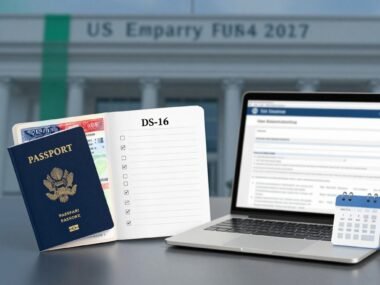
Most renewals use a similar baseline set of documents as first-time applicants, with added focus on your previous U.S. visa and your travel history. The usual “core” packet includes a valid Philippine passport, DS-160 confirmation page, the MRV fee receipt, and a photo that meets U.S. standards.
If you have an old passport that contains the previous U.S. visa, copies of that visa and biographic page are commonly included. Many applicants also bring evidence tied to their ties to the Philippines, such as employment proof, family links, or property and lease documents, because the legal test often centers on intent to return.
Third-party visa services exist and may offer checklists and form reviews, but they don’t replace the consular decision. Services like VisaHQ often position themselves around error-checking and application logistics, but the official requirements still come from the U.S. government.
5. DS-160: The Form That Drives the Whole Renewal
The DS-160 is the main application record used for US tourist visa renewal Philippines. It captures identity details, travel purpose, background questions, and prior U.S. travel.
Applicants usually spend the most time on prior travel history and employment details, since those areas often determine whether a case looks consistent. Photo upload is also a common friction point, since the system can reject images that don’t meet size or background rules.
The DS-160 confirmation page is the key output. It’s used for check-in, for document submission, and for linking the case to scheduling portals.
6. Fees and the Meaning of “Cheap” for Visa Renewal
The main government fee people associate with US tourist visa renewal Philippines is the MRV fee for B1/B2. That fee is separate from “extra costs,” which are where budgets can swing.
Total cost usually includes the MRV fee plus photo costs, printing, travel to submission points (often Manila), and optional courier fees. Some applicants also pay for third-party help with form review or appointment logistics.
Example calculation (for planning only): MRV fee + two visa photos + roundtrip transport to Manila + one day of meals can land far above the MRV fee alone, even when no interview is required.
For a general government overview of tourist visa application and renewal concepts, see USAGov tourist visa overview.
7. Step-by-Step: How US Tourist Visa Renewal Philippines Usually Works
- Confirm whether your case fits a renewal and whether interview waiver might apply based on your prior visa timing.
- Complete the DS-160 with consistent details across travel plans, job history, and prior U.S. travel.
- Register in the Philippines scheduling and delivery system, then match your DS-160 to your profile.
- Pay the MRV fee through the accepted payment channels shown in the portal.
- Receive routing, either interview waiver document submission or standard appointment scheduling.
- Submit documents (drop-off) or attend biometrics and interview when required.
- Track status until passport return is ready for pickup or delivery.
- Receive passport with the visa foil if approved, and verify the printed details.
Before you pay (mini checklist):
- DS-160 data matches your passport exactly.
- Your prior U.S. visa details are correct (visa class, issue dates).
- Your delivery address is current and complete.
- Your travel purpose is consistent across all entries.
- Your employment or income details are easy to explain.
Pros and Cons
| Factor | Pros | Cons | What it means |
|---|---|---|---|
| Interview waiver | No interview for some renewals | Not guaranteed, rules change | Time savings when eligible |
| Prior visa history | Can support credibility | Doesn’t guarantee approval | Still assessed as a new application |
| Portal-based steps | Central place for scheduling and tracking | Account errors can delay progress | Details must match exactly |
| Document submission | Clear checklist | Missing items can cause delays | Preparation matters |
| Costs | Predictable government fee | Extra costs add up | Budget beyond MRV fee |
Common Mistakes (and How to Avoid Them)
- DS-160 name format differs from passport, fix by matching passport spelling exactly.
- Incorrect prior visa details, fix by referencing the old visa foil and old passport.
- Photo doesn’t meet specs, fix by using a compliant studio photo and checking the upload result.
- Travel purpose sounds like long-term stay, fix by keeping plans short and realistic.
- Weak proof of ties, fix by using clear, current documents tied to work, family, or obligations in the Philippines.
- Inconsistent employment dates, fix by aligning dates with your records (COE, payslips, business papers).
- Overexplaining on the form, fix by keeping answers accurate and direct.
- Assuming “renewal” means automatic approval, fix by treating it like a fresh decision.
Is US Tourist Visa Renewal Philippines Legit and Safe?
US tourist visa renewal Philippines is legitimate when it’s done through official U.S. government channels and the official portal used for applications in the Philippines. Safety comes from verifying the website domain, the payment path, and the support channel shown inside the portal.
A simple legitimacy check is confirming that your process references official U.S. government resources and the recognized scheduling system for the country. Be cautious with third-party sites that promise guaranteed approval or unusually fast outcomes.
When you need a Manila-specific official starting point, use U.S. Embassy Manila visa guidance.
Tips to Get Better Deals
- Bundle your Manila trip tasks into one day (photos, printing, submission) to cut transport costs.
- Price-check courier add-ons before selecting premium delivery options.
- Use a photo studio that already knows U.S. visa photo specs to avoid reprints.
- Print only required pages, since many packets don’t need full DS-160 copies.
- Avoid last-minute travel dates that force expensive transport and lodging.
- Keep a digital folder of prior visa scans, old passports, and travel stamps.
- Plan off-peak submission days when queues are lighter.
- Track portal announcements to avoid unnecessary reschedules.
- Keep IDs and documents organized to reduce re-trips and reprints.
- If you use a paid service, compare what you get (form review vs. full concierge) so you’re not paying for basics.
FAQs
Can US tourist visa renewal Philippines be done without an interview?
Sometimes. Interview waiver depends on the post’s eligibility rules and your prior visa timing and history.
Is the renewal a brand-new visa?
Yes. It’s issued as a new visa foil, even though people call it renewal.
How long is a new B1/B2 visa valid?
Validity varies by reciprocity and the consular decision. Many Philippine-issued B1/B2 visas are issued with long validity, but it’s not a promise.
Can a tourist visa be renewed inside the U.S.?
No. A visa is for entry; extensions of stay are a different process and don’t equal visa renewal.
What if the previous visa is lost with the passport?
A renewal can still be filed, but missing evidence of the prior visa can complicate the record, so copies help.
Do bank statements guarantee approval?
No. Finances matter, but intent to return and overall profile consistency matter too.
Will a prior overstay affect renewal?
Yes. Overstays can impact eligibility for interview waiver and approval chances.
How do you track the case after submission?
Tracking is usually done through the portal used for scheduling and delivery, plus official status tools referenced by the embassy.
Conclusion
US tourist visa renewal Philippines works best when it’s treated as a complete, fresh B1/B2 application that happens to have a prior visa history behind it. The biggest decision point is interview waiver eligibility, which can shift based on post rules and your record.
Use official Manila sources for the latest requirements, then build a complete packet and a consistent DS-160 so the process stays clean from payment to passport pickup.

 Enu
Enu