 Enu
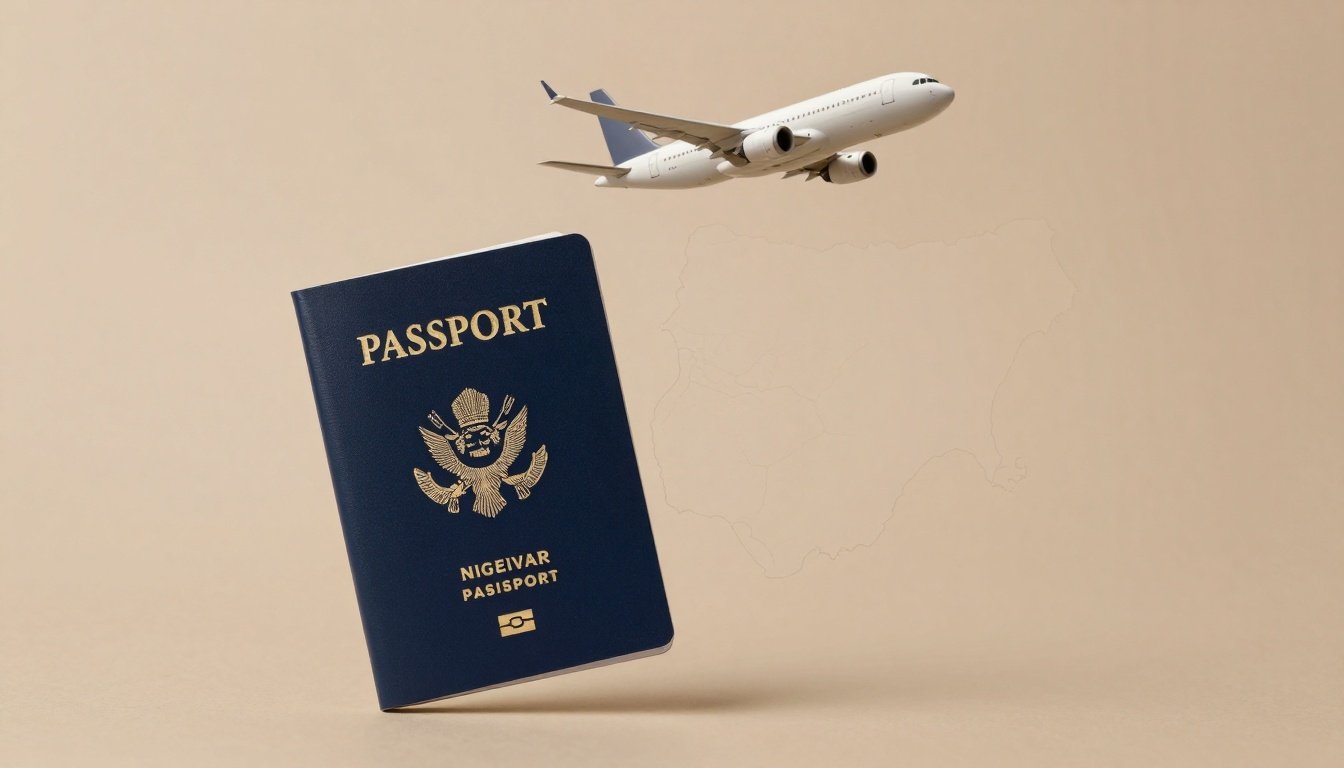
EnuGetting a visa to Nigeria for US citizens is a planning task, not a guessing game. This guide explains the visa types Americans usually apply for, what documents tend to get checked, how the online process works, and what can slow approval.
Rules change, and fees can shift without notice. Always confirm prices and policies on the official site.
Quick Answer (Read This First)
- US passport holders need a visa for Nigeria, there’s no general visa-free entry for tourism.
- The most common option for short trips is the Tourist Visa, often issued for a short stay (commonly around 30 days, depending on what you’re granted).
- Most applications start online on Nigeria’s official e-Visa platform.
- Expect to upload a passport bio page scan, a photo, proof of onward travel, lodging details, and financial proof.
- Yellow fever vaccination proof is commonly required at entry, so plan for it early.
- Business travel can have different rules than tourism, and “visa on arrival” (when available) isn’t the same as a tourist visa.
- Your passport should have at least 6 months validity beyond your entry date and blank pages for stamps.
- Use official sources to confirm updates, including the Nigeria travel info page from the US State Department.
What Is Nigeria’s e-Visa Portal and What Does It Do?
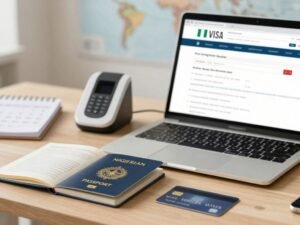
Nigeria’s e-Visa system is the government’s online platform where many travelers start the visa process. It’s designed to move basic steps online, like account creation, form completion, document uploads, and payment.
For a lot of applicants, the portal is the main “front door” for submitting a visa request. You enter your details, upload your files, pay, then wait for a decision and follow the instructions you receive.
Even when the process starts online, border officers can still ask to see key documents on arrival. That’s normal, and it’s why many travelers keep printed copies.
If you want a second official reference point for changes and alerts affecting US citizens, use the US Embassy in Nigeria updates.
Key Features of Visa to Nigeria for US Citizens
- Tourist and business pathways that can have different supporting documents.
- Online application flow with account setup, uploads, and tracking.
- Single-entry vs multiple-entry choices, where available for your purpose.
- Document-driven decisions, small errors can cause delays.
- Health document checks, often including yellow fever proof at entry.
- Proof-of-trip checks, like flight itinerary and lodging or host details.
- Traceable status updates, usually through the portal reference number.
Step-by-Step: How to Use Nigeria’s e-Visa Portal
- Pick the right visa type first. Tourist, business, transit, student, and work-related options don’t ask for the same paperwork.
- Gather digital copies of documents. Use clear scans, not photos taken in low light.
- Create an account on the official portal. Use an email you check often because notices can come there.
- Fill the application form carefully. Match names, passport number, and dates exactly as shown in your passport.
- Upload required files. Typical uploads include passport bio page, photo, proof of lodging, proof of funds, and flight details.
- Pay the fees online. Save the receipt and any reference number shown after payment.
- Submit and track status. Log in to check updates, and watch your email for decisions or requests.
- Print what you receive. Many travelers carry printed copies of the approval and key trip documents.
Before you pay (mini checklist):
- Your passport validity meets the minimum rule (commonly 6 months beyond entry).
- Your photo meets the size and background requirements shown on the portal.
- Your flight and hotel details match the dates on the form.
- Your bank statement is recent and readable.
Pricing, Fees, and What “Cheap” Really Means
The total “cost” of a visa to Nigeria for US citizens is more than the visa fee. You may also pay for document printing, photo services, vaccinations, and sometimes shipping or third-party support if you choose to use one.
A commonly referenced visa fee for US passport holders is around $160, but exact amounts can change by visa type and policy updates, so the portal fee page is the final word.
Example calculation (for planning only): If the visa fee is $160, plus $25 for passport photos and printing, plus $80 for clinic visit and vaccines, your out-of-pocket total could be $265. Your numbers can be lower or higher based on what you already have.
“Cheap” can also mean risky. If a site promises a huge discount but can’t show an official payment flow or a clear refund policy, that’s a red flag.
Pros and Cons
| Factor | Pros | Cons |
|---|---|---|
| Online application | Less back-and-forth for basics | Upload issues can slow you down |
| Clear document checklist | Helps you self-check fast | Small mismatches can trigger delays |
| Tracking and reference numbers | Easier to follow status | Not always instant updates |
| Multiple visa types | Options for tourism, business, study | Wrong category leads to rejection |
| Health requirements | Protects public health | Vaccines can add cost and time |
Common Mistakes (and How to Avoid Them)
- Using a photo with the wrong background, fix it by taking a new passport-style photo that matches the portal specs.
- Uploading blurry scans, fix it by scanning at a higher resolution and checking readability before upload.
- Entering a nickname or missing middle name, fix it by matching your passport line by line.
- Booking dates that don’t match the form, fix it by updating the form or itinerary so both align.
- Submitting weak lodging proof, fix it with a hotel confirmation or a host invitation that includes address and contact details.
- Providing bank statements that look edited, fix it by using official bank-generated statements.
- Applying too late, fix it by starting early since processing times can vary.
- Choosing the wrong visa type, fix it by confirming the purpose, tourism vs business vs transit.
Is visa to Nigeria for US citizens Legit and Safe?
A visa to Nigeria for US citizens is legitimate when it’s issued through official Nigerian immigration channels and matches your passport details. “Safe” comes down to where you apply and how you pay.
What to check before you submit:
- The application site is the official immigration e-Visa portal, not a copycat page.
- Your payment receipt shows a traceable reference number.
- The support contact details are consistent with official instructions.
- The refund and cancellation terms are stated clearly before payment.
If you use a third-party visa service, treat it like any paid service. Confirm who the issuer is, what they do on your behalf, and whether they provide real customer service and a written refund policy.
Tips to Get Better Deals
- Apply early, late applications can force pricey rush choices.
- Get your yellow fever vaccination early, last-minute clinic visits often cost more.
- Use one high-quality passport photo session and keep spare prints for travel.
- Avoid “too good to be true” shortcuts, they often lead to rework fees.
- Keep your document files small and clear, failed uploads can cost time and extra printing.
- Compare flight dates before filling the form, date changes can trigger change fees.
- If traveling as a family, prepare each person’s documents in separate labeled folders.
- Don’t pay for add-ons you don’t need, like premium handling, unless the benefit is clear.
- Save every receipt and confirmation page, it reduces follow-up costs.
- Book refundable lodging when possible, it helps if travel dates shift.
FAQs
1) Do US citizens need a visa for Nigeria?
Yes, a visa is generally required for US passport holders traveling to Nigeria for tourism and most other short visits.
2) Can I get a visa on arrival in Nigeria as a tourist?
Tourist visas are typically handled as pre-approved visas, and visa-on-arrival programs, when available, are often tied to business rules, not tourism.
3) What passport validity do I need for a visa to Nigeria for US citizens?
A common rule is at least 6 months validity beyond entry, plus blank pages for stamps. Always follow the current portal instructions.
4) What documents are usually required?
Many applicants prepare a passport bio page scan, photo, flight itinerary, hotel booking or host invitation, financial proof (like recent bank statements), and vaccination proof.
5) Is yellow fever vaccination required?
It’s commonly enforced at entry, and travelers often carry the yellow card as proof. Confirm current health rules before departure.
6) How long does processing take?
Some applicants see quick decisions, while others wait longer depending on season, document checks, and visa type. Applying at least 1 to 2 weeks early reduces stress.
7) What are common reasons for rejection?
Incomplete uploads, mismatched personal details, weak financial proof, unclear travel purpose, and missing lodging details are common issues.
8) Should I book flights before applying?
Many applicants use a flight itinerary for the application, but the safest approach is to follow the portal’s wording on what proof is acceptable.
Conclusion
A visa to Nigeria for US citizens is straightforward when you treat it like a document project. Pick the correct visa type, keep every detail consistent, and upload clean files that match the checklist.
For the best outcome, use official sources, keep printed copies for travel, and confirm current rules right before you submit your application for a visa to Nigeria for US citizens.

 Enu
Enu