 Enu
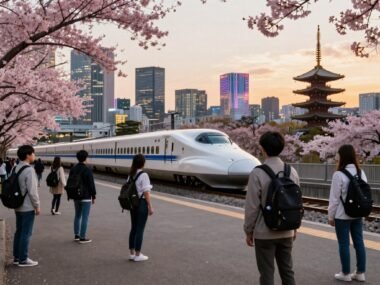
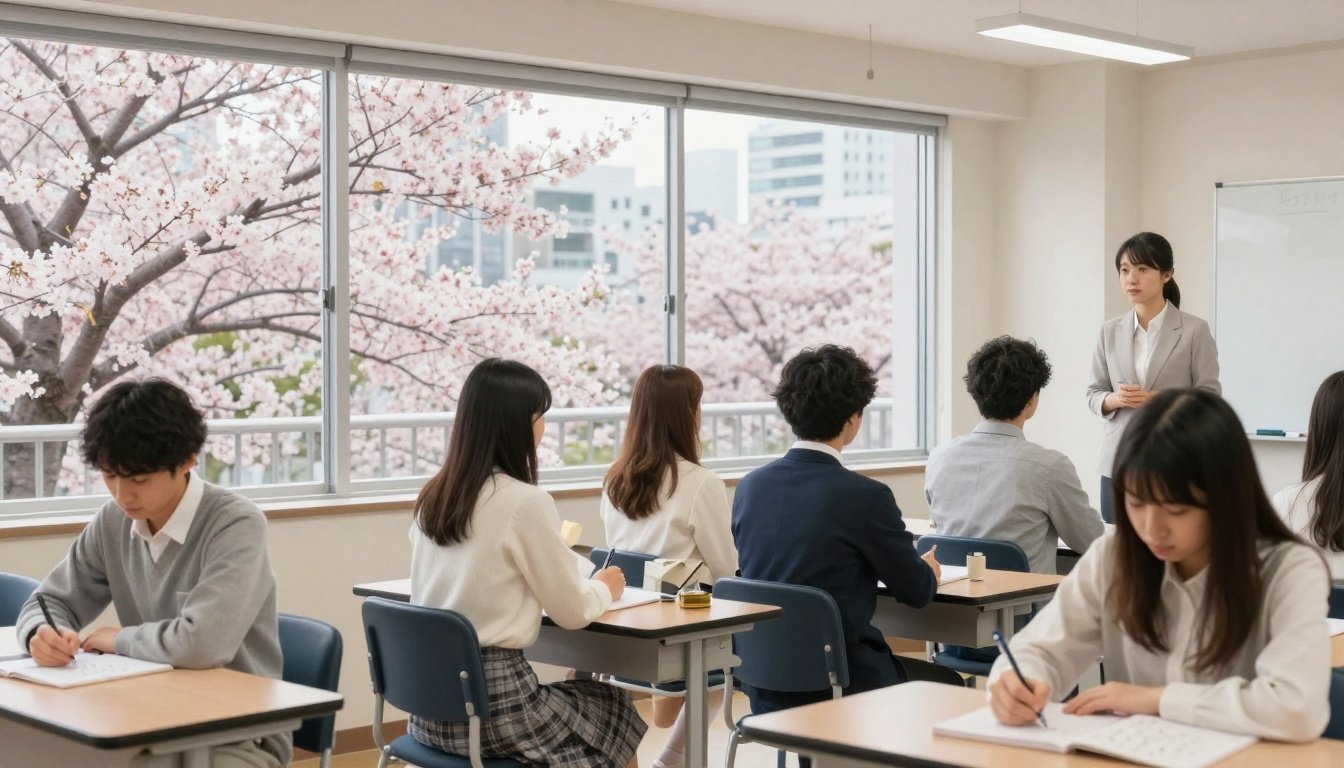
EnuPicture yourself surrounded by cherry blossoms, practicing hiragana in a bustling Tokyo classroom. Japan draws thousands of students each year to master its language and culture. This guide breaks down all language school Japan requirements for 2026, from eligibility and Japanese proficiency to finances, visas, and costs.
You’ll find clear steps based on current rules from schools and immigration. Key updates include a minimum of JLPT N5 or 150 hours of prior Japanese study. Rules like these help ensure you’re set for success. Always check official school websites and the Japan Immigration Services Agency for the latest details, as they can shift.
international students in a lively Japanese language class.
Quick Checklist: Core Language School Japan Requirements
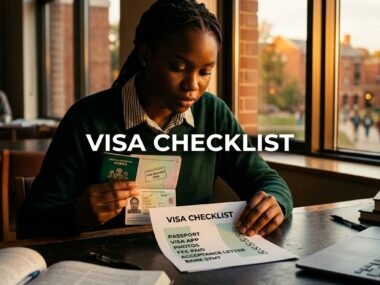
Ready to scan the basics? Here’s what most schools demand for a student visa in 2026.
- Non-Japanese nationality.
- At least 12 years of schooling or high school equivalent.
- Age 18 or older (some flexibility for younger with guardians).
- JLPT N5 level or 150+ hours of Japanese study, proven by certificate.
- Financial proof covering one year: 1-2 million yen in bank balance or sponsor docs.
- Clear study plan outlining your goals.
- Valid passport and no criminal record.
- Health fit for independent living.
Tick these off early. They form the foundation for your application.
Basic Eligibility: Age and Education Rules
Schools set straightforward rules to match immigration standards. You need to show you’re ready for full-time study. Most accept applicants in their late teens to mid-20s, but options exist beyond that.
High school completion stands as the baseline. This equals 12 years of formal education. Systems with 11 years, common in some countries, require extra proof of equivalence.
Take Tokyo YMCA or Hiroshima YMCA. Both list 12 years as standard. They review transcripts closely.
Age Limits for Applicants
Minimum age hits 18 for most programs. Schools like those in the YMCA network start intakes post-high school.
No hard upper cap exists, but many prefer under 30. Scholarships often target under 25. Your docs must explain any gaps in education or work history.
Schools vary, so ask directly.
Education Qualifications Needed
Prove 12 years with diplomas and transcripts. Translate them if needed.
For 11-year systems, get an equivalence certificate from your education ministry or embassy. JASSO guidelines stress this.
Tokyo YMCA requires high school graduation. Hiroshima YMCA echoes it, plus detailed records. Submit originals or certified copies.
Japanese Proficiency: What Level Do You Need?
Immigration tightened rules. Now, expect language school Japan requirements to include JLPT N5 or 150 classroom hours minimum.
This equals CEFR A1. Certificates must detail school name, dates, total hours, and daily schedule.
Tokyo YMCA accepts N5 or 150 hours. They favor N4 for advanced intakes. Hiroshima YMCA matches: N5/J-Test F or equivalent hours.
JLPT certificate often skips the hours proof. Prep via local classes or self-study apps. Test centers run exams twice yearly.
Policy aims to boost serious learners. Start now for 2026 April intake.
Schools screen via interview too. Practice basic greetings and self-intros.
Financial Proof: Showing You Can Afford It
Immigration checks if you can cover tuition and living without work. Aim for 1-2 million yen for one year.
Submit 6-12 months of bank statements. Balance must look steady, no sudden deposits.
Sponsors, usually parents, provide income proof: tax returns, salary slips, employment letter. Include family ties via birth certificates.
Schools like YMCA demand guarantor details. For tips on funding, sites like GoAbroad share student stories on discounts and scholarships.
Paraphrased from experiences: one student landed aid after strong apps. Build believable finances early.
Step-by-Step: Student Visa Process for Language Schools
Start 6-9 months ahead. April 2026 means apply by late 2025.
Pick a school and 1-2 year course. Submit to them: passport copy, photos, transcripts, Japanese proof, finances, study plan.
School screens, often with interview. They apply for your COE.
Pay tuition deposit post-COE. Take COE to embassy for visa sticker.
Fly in, get residence card at airport. Register locally within 14 days.
Getting Your Certificate of Eligibility (COE)
School bundles your docs and sends to Immigration Bureau. Wait 1-3 months.
Approval means they mail original COE. Pay remaining fees then.
Final Visa at Embassy or Consulate
Bring passport, application form, COE, photos. Add local docs if asked.
Process takes days to weeks. Student status covers course length.
Costs Breakdown: Tuition, Living, and Savings Tips
Tuition runs 600,000-900,000 yen yearly, plus 50,000-200,000 enrollment fees. Books add 20,000-50,000.
Living: 70,000-120,000 yen monthly. Rent 30,000-60,000 (share houses save), food/transport 40,000-60,000.
One-year total: 1.5-2.5 million yen. Tokyo costs more.
Scholarships like YMCA’s 48,000 yen monthly help.
Tips: share housing, cook rice-based meals, use student discounts. Agents flag promos.
Popular Schools and Mistakes to Avoid
Tokyo YMCA and Hiroshima YMCA top lists. Both demand solid language school Japan requirements like 150 hours proof.
Shinjuku Institute offers urban vibes. Use matchers like Go! Go! Nihon for fits.
Avoid pitfalls: skip Japanese proof (get certified now), weak finances (build history), late apps (deadlines firm), vague plans (write why Japan).
No goal? Immigration rejects. Fix: start early, use consultants like StudyIn for docs review. They helped students snag UK spots; similar for Japan.
Conclusion
Mastering language school Japan requirements opens doors to immersive study in 2026. Nail eligibility, JLPT N5/150 hours, finances, and visa steps for smooth entry.
Pick schools today, hit Japanese classes, watch deadlines. Consultants from GoAbroad or StudyIn ease the load, as shared in student tales.
Your Tokyo adventure awaits. Start prepping, and soon you’ll converse fluently under neon lights.


 Enu
Enu