 Enu
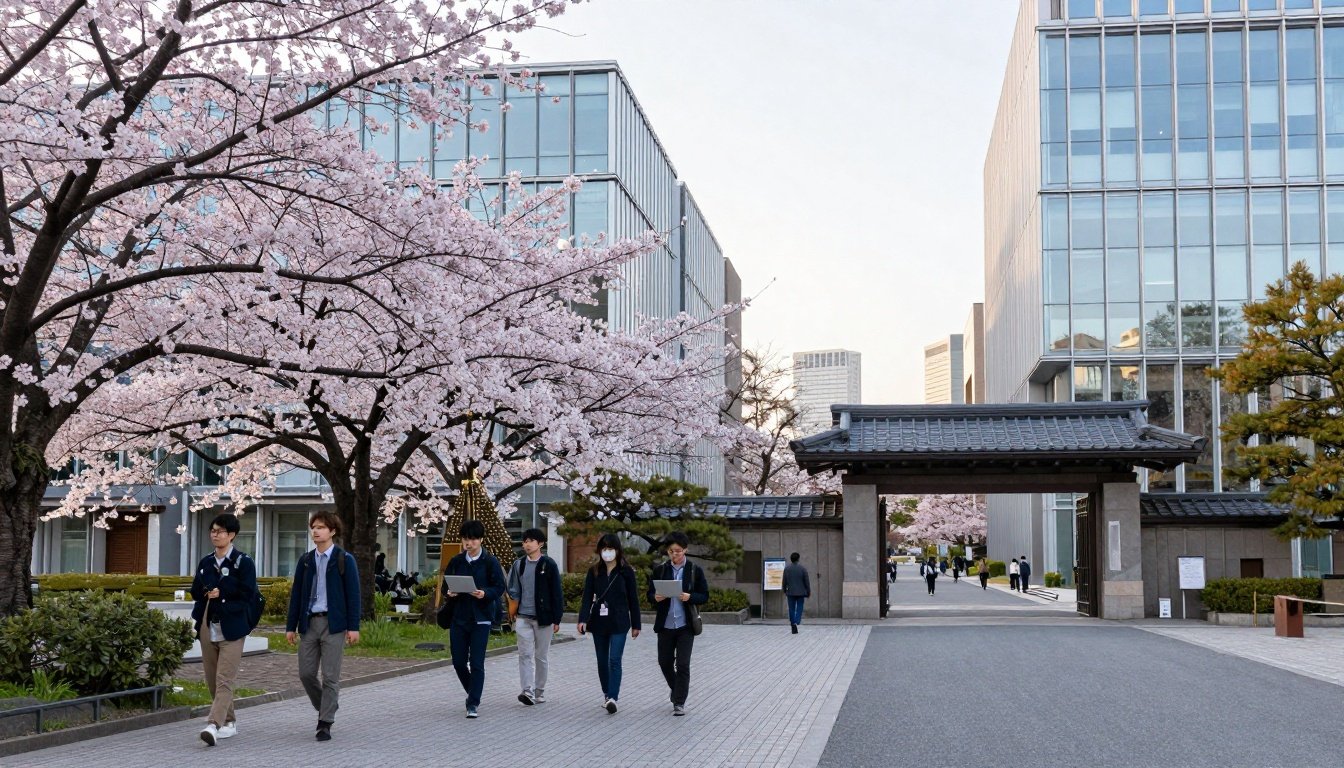
EnuImagine walking through cherry blossom-lined paths at the University of Tokyo, laptop in hand, chatting with classmates from around the world about cutting-edge AI projects. Japan pulls in students with its mix of top-ranked universities, low-cost public tuition, and scholarships like MEXT that cover almost everything. In 2026, English-taught Japanese degree programs keep growing, especially as options like UTokyo’s PEAK wrap up their final intakes.
These programs let you earn a world-class degree without fluent Japanese. Public schools charge around ¥535,800 a year, far below U.S. or U.K. prices. Places like Kyoto University and Tohoku shine in engineering and sciences, with global rankings that open doors to jobs at Toyota or Sony. You’ll dive into tech hubs, safe cities, and ramen-fueled study sessions.
This guide covers top universities, popular fields, admission steps, costs, scholarships, and pros plus cons. It draws from official sites and recent data, but always check university pages for 2026 updates. Whether you aim for a bachelor’s in environmental science or a PhD in robotics, Japan offers real value for internationals ready to apply now.
Top Universities Offering Japanese Degree Programs
Japan’s universities rank high globally, with strong support for internationals through English tracks and dorms. For 2026, focus on spots like University of Tokyo, Kyoto, and Osaka. These schools boast research labs that rival MIT and offer scholarships to cut costs. Students often praise the smooth application help, much like testimonials from platforms such as GoAbroad, where users highlight dedicated counselors for visas and housing.
Key draws include QS top-50 status for many and bilingual staff. See the full Times Higher Education rankings for Japan to compare.
National Universities Leading in Research and Innovation
Public national universities dominate Japanese degree programs in STEM. The University of Tokyo’s PEAK program, ending admissions for Fall 2026, covers Japan in East Asia and environmental sciences; no Japanese needed. Kyoto University’s iUP mixes English courses with Japanese lessons for broader access.
Tohoku’s FGL, also final for 2026, targets molecular chemistry, mechanical engineering, and marine biology with October starts. Osaka excels in engineering, Nagoya in global studies, and Hokkaido in life sciences. Tuition stays standard at ¥535,800 yearly, with waivers common. These spots suit research fans, boasting labs and industry ties.
Private Universities with Flexible English Programs
Private schools add variety. Waseda University runs English undergrads in politics, economics, and business. Keio offers 20+ tracks across levels. Tokyo Tech pushes engineering fully in English.
Temple University Japan grants U.S. degrees in Tokyo, all English. Tuition runs ¥800,000 to ¥1.8 million yearly, but scholarships help. Check Kyoto University’s English programs page for similar private-public blends. Students love the urban vibe and career fairs.
Popular Types of Japanese Degree Programs for Internationals
English-taught options span bachelor’s to PhDs, focusing on fields like engineering, CS/AI, business, environment, and life sciences. No Japanese required for entry in most; some add classes later. Waseda’s business undergrad or Kyoto’s engineering master’s draw crowds.
These programs mix lectures, labs, and internships. Internationals fill 10-20% of spots, building diverse networks.
Bachelor’s Degrees in English
Start with UTokyo PEAK’s liberal arts path to Japan studies or environmentals. Waseda covers politics and econ; Osaka science tracks. Need high school diploma, English tests like TOEFL (70+), IELTS (6.0+), or SAT optional. EJU helps but isn’t mandatory.
Master’s and PhD Programs
Grad levels emphasize research. Kyoto and Hokkaido lead AI, sustainability at UTokyo. Contact supervisors early with a research plan. MEXT funds many PhDs fully.
Admission Requirements and Application Process for Japanese Degree Programs
Start on the Study in Japan website for listings. Deadlines hit mid-2025 for April 2026; some like Tohoku in January for October. Prep TOEFL/IELTS, transcripts, essays, and two recommendations. Online portals handle most apps; interviews follow via Zoom.
Special international tracks skip EJU for English programs. Post-acceptance, apply for COE visa (takes 3 months) and hunt housing via uni dorms. Consultants like StudyIn speed this, as students note in reviews: full support from essays to visas.
Key Requirements by Degree Level
Undergrad: 12 years schooling, English proof; SAT/ACT optional. Grad: Bachelor’s, GRE sometimes, research proposal. No Japanese for English tracks.
Step-by-Step Application Timeline
- Research programs by March 2025.
- Take tests, gather docs by June.
- Submit by fall deadlines.
- Attend interviews December-January.
- Accept offer, visa by spring. Plan a year ahead.
Costs, Scholarships, and Living Expenses
Public tuition: ¥535,800/year; private ¥1-2 million. Living costs ¥80,000-150,000 monthly (Tokyo highest: rent ¥50,000+, food ¥30,000). Total undergrad budget: ¥2-3 million yearly.
Scholarships shine. MEXT covers tuition, flights, ¥117,000-145,000 stipend monthly; apply via embassy by June 2026. Tohoku offers ¥119,000/month for FGL. Uni waivers reduce fees 30-100%. ADB-JSP aids master’s; private like Heiwa add funds.
Example: MEXT undergrad gets full ride, leaving just books (¥50,000).
Pros and Cons of Pursuing Japanese Degree Programs
Pros: Elite education (UTokyo ranks 26th globally), generous funding, ultra-safe streets, tech jobs post-grad, cultural perks like festivals. English programs ease entry.
Cons: Japanese helps daily life; Tokyo rent bites; entry competitive (10-20% acceptance); classes formal, less discussion-based. Tip: Pick Osaka for cheaper living.
| Aspect | Pros | Cons |
|---|---|---|
| Education | Top research, rankings | Rigid structure |
| Cost | Low tuition, scholarships | High city expenses |
| Life | Safe, efficient trains | Language outside class |
Conclusion
Japanese degree programs deliver quality at low cost, with 2026 English options at UTokyo, Kyoto, and beyond. Grab MEXT funding, nail apps early, and enjoy innovation plus sushi.
Ready for 2026? Visit Study in Japan, chat consultants via GoAbroad or StudyIn, and start prepping tests. Your global edge awaits in the land of tech pioneers.


 Enu
Enu