 Enu
EnuPicture this: You’ve gathered all your papers for a U.S. visa. Your application looks perfect until an officer spots a non-English birth certificate without proper backup. Boom, rejection or delay. A certified translation visa service fixes that fast. This guide covers when you need these translations, exact rules from agencies like USCIS, and smart ways to choose a translator. You’ll save time, avoid headaches, and boost approval odds.
Visa rules tighten each year. In 2026, expect no big shifts, but details matter. Read on for practical steps tailored to immigrants, students, and travelers.
What Counts as a Certified Translation for Visas?
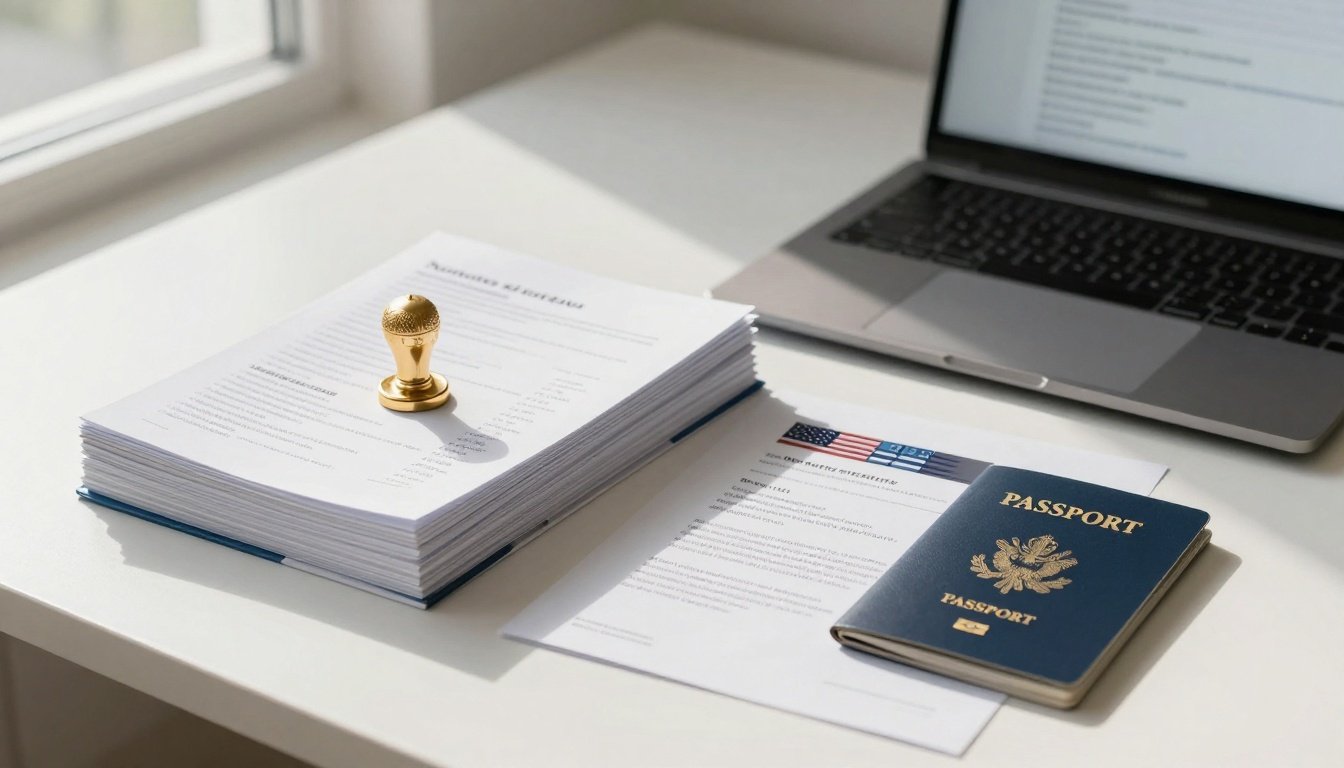
A certified translation turns your foreign document into English with a sworn statement of accuracy. It’s not just any version; the translator promises it’s complete and true.
U.S. agencies like USCIS demand this for non-English files. The cert includes the translator’s name, contact info, signature, and a line like: “I certify this is an accurate full translation.” No fancy stamps required, but pros add trust.
When Do You Need Certified Translations for Visa Applications?
Most visas require English docs. If your birth certificate, diploma, or police record sits in Spanish, Arabic, or Hindi, get it translated.
Student visas (F-1), work visas (H-1B), and green cards all flag this. Tourist visas (B-1/B-2) rarely need it unless supporting evidence shows up foreign.
Embassies check upfront. Skip it, and your packet bounces back with a Request for Evidence (RFE). In 2026, digital filings make scans easy, but certs must attach per doc.
USCIS Rules for Certified Visa Translations in 2026
USCIS follows 8 CFR 103.2(b)(3). Every non-English doc needs a full, word-for-word English version plus a separate cert.
Key points:
- Translate seals, stamps, and notes too.
- No summaries allowed.
- Each doc gets its own cert; no group covers.
- Signatures can be scanned now.
Common Visa Documents Requiring Certified Translations
Birth and marriage certificates top the list. Add police clearances, diplomas, divorce decrees, and bank statements.
For family petitions (I-130), kids’ school records often need it. Employment visas want resumes or contracts translated.
Travelers to Schengen zones face similar rules. Always scan the embassy site first.
Signs Your Visa Docs Need a Certified Translation
Ask: Is it in English already? No? Plan translation. Bilingual passports skip it.
Agency sites spell it out. For U.S. immigrant visas, the State Department’s civil docs FAQ confirms foreign civil papers need English backups.
How to Choose a Top Translator for Visa Success
Look for linguists with immigration experience. ATA certification shines; it proves skill via tough tests.
Check reviews on Trustpilot or Google. Ask for sample certs matching USCIS style.
Avoid cheap freelancers without contacts. Pros handle notarization if extras apply, like for some courts.
Vet via the ATA directory or state bar lists for sworn translators.
Experience beats price. A $50 botch costs months in delays.
Step-by-Step: Get Your Certified Visa Translation Right
- Gather originals and copies.
- Pick a translator (pro recommended).
- Send clear scans; specify “full certified for USCIS/visa.”
- Review draft for accuracy.
- Get the cert attached.
- Before submitting: Match every line, check signature, verify contact details.
Quick pre-submit checklist:
- Original + translation + cert present?
- Translator competent statement included?
- No typos in names/dates?
What Certified Visa Translations Cost in 2026
Expect $20-50 per page. Simple birth certs run $30; multi-page diplomas hit $100+.
Rush fees add 50%. Notary extras? $15 each.
Services like RushTranslate or certified firms bundle for $0.10/word. Shop three quotes.
Example: Spanish marriage cert (1 page) + cert = $35 total.
Pros and Cons: Pro Translators vs. Doing It Yourself
| Option | Pros | Cons |
|---|---|---|
| Professional Service | Accurate, fast, agency-accepted | Costs $20-100 per doc |
| Family/Friend | Free or cheap | Bias risks, no pro cred |
| Online Tools | Quick drafts | Rarely certified, rejection bait |
| Sworn Translator | Extra legal weight | Higher price, location limits |
Pros win for high-stakes visas.
Pitfalls That Ruin Visa Apps and Fixes
- Wrong format: Fix with full word-for-word.
- No cert: Attach sworn statement.
- Self-translation: Hire out.
- Partial docs: Translate all.
- Typed sigs: Scan real ones.
- Ignoring agency quirks: Read USCIS dos and don’ts.
Spot these early.
Is a Certified Translation Service Safe and Legit?
Yes, if vetted. ATA members follow ethics codes. Check business licenses, client testimonials.
USCIS accepts any competent translator’s cert; no “official” title needed. But scams exist; verify via BBB.
Smart Tips to Nail Your Visa Translations
Confirm embassy rules first. Use high-res scans. Budget for multiples. Ask for revisions free. Pair with apostille if needed. Test small docs first. Track delivery. Get digital + hard copies. Compare three providers. Store originals safe.
FAQs
Does USCIS need notarized translations?
No, just the cert statement.
Can I translate my own docs for visa?
No, you can’t certify yourself.
How long for certified visa translation?
1-3 days standard; same-day rush.
What if my doc is bilingual?
Skip translation.
UKVI or Canada same rules?
Yes, full English with accuracy statement.
Cost for student visa transcripts?
$40-80 per set.
Wrap It Up
Certified translations keep your visa on track. Know the rules, pick pros with cred, and double-check everything. You’ll dodge RFEs and land approvals faster.
Start today: List your docs, quote translators, submit strong. Your new chapter waits. Questions? Drop them below.

 Enu
Enu