 Enu
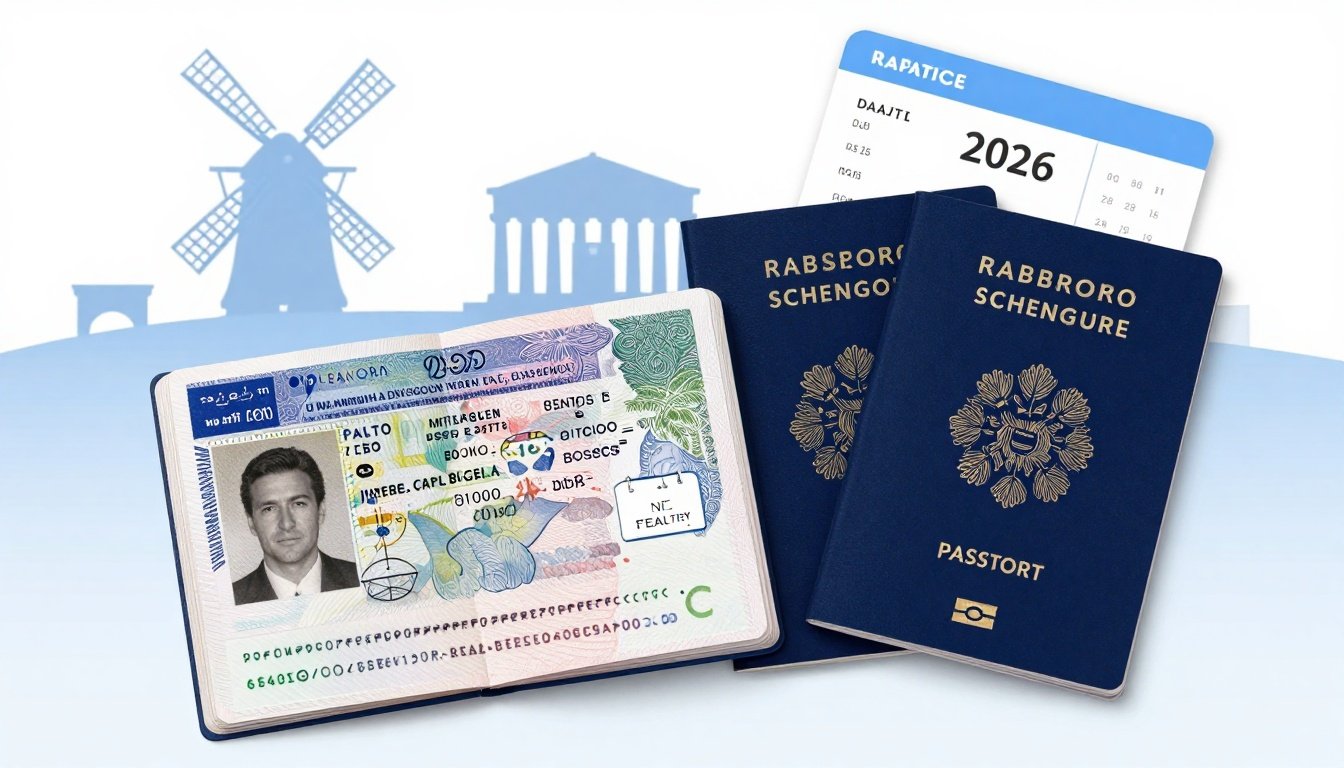
EnuDutch visa assistance for Greece can mean two very different things, either you’re a Dutch or EU citizen who doesn’t need a visa, or you’re a non-EU resident in the Netherlands who does need a Greek Schengen visa. This listicle breaks both paths down, so you don’t waste time or money.
You’ll learn what to apply for, where to apply from the Netherlands, what documents matter most, and which “help” services are actually useful. Always confirm prices and policies on the official site.
Quick Answer (Read This First)
- Item 1: Dutch and EU citizens don’t need a visa for Greece for short stays, but still need a valid passport or ID.
- Item 2: Non-EU residents in the Netherlands may need a Schengen visa (Type C) for Greece, depending on nationality.
- Item 3: The Schengen short-stay rule is 90 days in any 180-day period across the whole Schengen Area, not per country.
- Item 4: Your “visa assistance” should focus on correct documents, a proper appointment, and clear proof of purpose.
- Item 5: For official rules and local procedures, start with Greece visa info in the Netherlands.
- Item 6: Expect processing to take time in peak months, plan early, and avoid last-minute bookings you can’t explain.
- Item 7: Paid extras (courier return, SMS updates, premium lounge) can help, but they don’t guarantee approval.
- Item 8: Don’t treat “cheap” as the visa fee only, count photos, insurance, travel changes, and support fees too.
What Is VFS Global and What Does It Do?
Item 2: VFS Global is a visa outsourcing company used by many governments to handle parts of the application process, mainly appointments, document intake, biometrics, and return delivery. It’s not the embassy and it doesn’t decide approvals.
For Dutch visa assistance for Greece, VFS may or may not be part of your route, depending on how Greece handles applications in the Netherlands at the time you apply. The official Greek mission pages are the safest starting point, because they confirm the exact process.
People use VFS because it can feel more practical: structured appointments, add-on services, and status notifications. The value is convenience and fewer admin errors, not a higher approval rate.
Key Features of dutch visa assistance for greece
Item 3: Good dutch visa assistance for greece usually includes:
- Nationality check (visa-needed vs visa-exempt)
- Correct visa type selection (Schengen Type C vs national Type D)
- Appointment booking support and timing plan
- Document checklist tailored to your purpose (tourism, business, family visit)
- Form review to reduce basic errors (names, dates, travel history)
- Biometrics guidance (what happens, what you must bring)
- Status tracking help and clear next steps after submission
Step-by-Step: How to Use VFS Global
Item 4: Use this as a practical flow for dutch visa assistance for greece when VFS is part of the process.
- Confirm you actually need a visa based on your nationality and residence status in the Netherlands.
- Pick the right visa type (most applicants need Schengen Type C for tourism or business up to 90/180).
- Collect your core documents first (passport, photos, insurance, proof of funds, itinerary, accommodation).
- Book the appointment and choose add-ons only if they solve a real problem (like courier return).
- Attend in person for biometrics (fingerprints and photo, unless exempt due to recent biometrics).
- Submit clean, consistent evidence (dates match, names match, funds match your plan).
- Track status via the method provided during submission (online tracking, email, or SMS if offered).
- Check your visa sticker details once issued (name, dates, number of entries), before you fly.
Before you pay (mini checklist):
- Passport is valid and in good condition
- Travel insurance meets Schengen minimum coverage
- Proof of income or funds matches the trip length
- Your plan makes sense (route, dates, accommodation)
- You can explain ties to the Netherlands (work, study, family, residence)
Pricing, Fees, and What “Cheap” Really Means
Item 5: The “cheap” version of dutch visa assistance for greece often looks cheap only because it ignores the full cost. The embassy fee is one part, but you’ll also pay for photos, insurance, travel bookings, and sometimes service fees if an external center handles intake.
A realistic way to judge price is to add everything that can’t be skipped: visa fee (if required), travel medical insurance, transport to the appointment, and any paid support you choose. Add-on services can be useful, but they’re not required for approval.
Example total cost (example only):
- Visa fee: €80 (common Schengen fee)
- Photos + printing: €20
- Travel insurance: €25
- Courier return: €30
Example total: €155
Pros and Cons
Item 6: Here’s a balanced view of using dutch visa assistance for greece through an intake center and paid support.
| What you get | Pros | Cons | Best for |
|---|---|---|---|
| Appointment structure | Clear steps, fewer surprises | Limited flexibility | First-time applicants |
| Document intake help | Reduces missing items | Doesn’t fix weak evidence | Busy travelers |
| Status updates | Less stress | Often paid add-on | Time-sensitive trips |
| Premium services | Comfort, faster handling at center | Can be expensive | Family groups |
| Agent help (private) | Form support, checklist | Quality varies a lot | Complex cases |
Common Mistakes (and How to Avoid Them)
Item 7: Many refusals come from simple gaps, not “bad luck.”
- Mismatch in dates (flight, hotel, leave letter), fix it by aligning every document to one timeline.
- Weak purpose proof, fix it with a clear itinerary or a real invitation letter.
- Funds don’t match the plan, fix it by showing consistent bank history, not a last-minute deposit.
- Wrong photo specs, fix it by using a photo shop that knows Schengen rules.
- Insurance doesn’t meet Schengen rules, fix it by checking coverage amount and validity dates.
- Missing residence proof in NL, fix it by adding your valid Dutch residence permit copy (if applicable).
- Overstated plans, fix it by keeping the trip believable for your job and budget.
- Late application timing, fix it by applying early, especially before summer travel peaks.
Is dutch visa assistance for greece Legit and Safe?
Item 8: Dutch visa assistance for Greece is legit when it sticks to admin support, correct forms, and official appointment channels. It becomes risky when someone promises approvals, offers fake bookings, or asks you to hide facts.
To keep it safe, check who issues the invoice, what the refund rules are, and whether support is reachable by phone or chat. The most reliable information comes from official pages and official forms, such as the Greek Schengen visa application form page.
If you’re comparing services, look for transparency: clear fees, clear steps, and privacy practices that protect your documents.
Tips to Get Better Deals
Item 9: Saving money on dutch visa assistance for greece is mostly about avoiding rework and last-minute choices.
- Apply early to avoid urgent rebooking costs.
- Don’t pay for “review” services if you already have a clear checklist and time.
- Choose refundable accommodation when rules allow it, so date changes don’t ruin your budget.
- Keep your itinerary simple, one or two bases instead of many cities.
- Use one bank account for travel funds to keep statements easy to understand.
- Avoid paying for premium lounge unless you need mobility support or you’re handling a family group.
- Bundle printing and photos near the application center to reduce forgotten items.
- If you need translations, get them done once, correctly, by a certified provider.
- Save proof as PDFs with clear filenames, so you don’t lose time at submission.
- Don’t buy expensive “dummy tickets” from shady sellers, inconsistent bookings are a refusal risk.
FAQs
Item 10: Short answers to common questions people ask while comparing dutch visa assistance for greece.
- Do Dutch citizens need a visa for Greece?
No for short stays. Greece and the Netherlands are both in Schengen, and EU free movement applies. - I’m a non-EU resident in the Netherlands, do I need a visa?
It depends on your nationality. Some nationalities are visa-exempt, others must apply for a Schengen visa. - Can an agency guarantee my visa approval?
No. Only the Greek authorities decide. Assistance can reduce mistakes, not change eligibility. - How long does processing take?
It varies by season and case. Standard Schengen processing is often around 15 days, sometimes longer. - What if I need to cancel after booking help services?
Check cancellation and refund rules before paying. Some fees are non-refundable once an appointment is booked. - Is it better to apply direct or use an intake center?
Direct is fine if you can follow instructions and book correctly. A center can help with structure and add-ons. - What documents should I carry when entering Greece?
Even with a visa, carry insurance proof, accommodation, and return or onward travel evidence. - Will ETIAS affect travel from the Netherlands to Greece?
Not for Dutch or EU citizens. It’s intended for visa-exempt non-EU travelers once implemented.
Conclusion
Dutch visa assistance for greece works best when it focuses on clarity: the right visa type, the right appointment path, and documents that match one believable travel story. For Dutch and EU citizens, the “assistance” is mostly about entry documents and staying within Schengen rules.
For non-EU residents in the Netherlands, the next step is simple: confirm the official route, build your file around your real purpose, and pay only for services that remove friction, not for promises.

 Enu
Enu