 Enu
EnuIs Ireland a good place to study abroad? Yes, it stands out for strong universities, English-taught programs, and tech jobs after graduation. Each year, over 44,000 international students pick Ireland for its welcoming feel and quality education. But Dublin’s high costs demand careful planning.
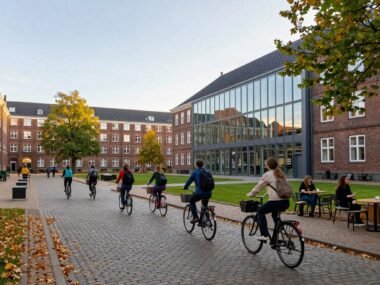
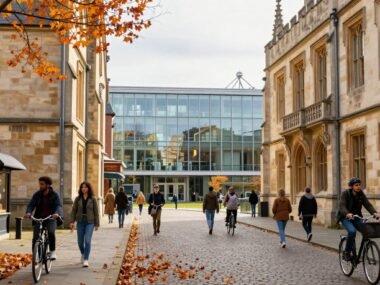
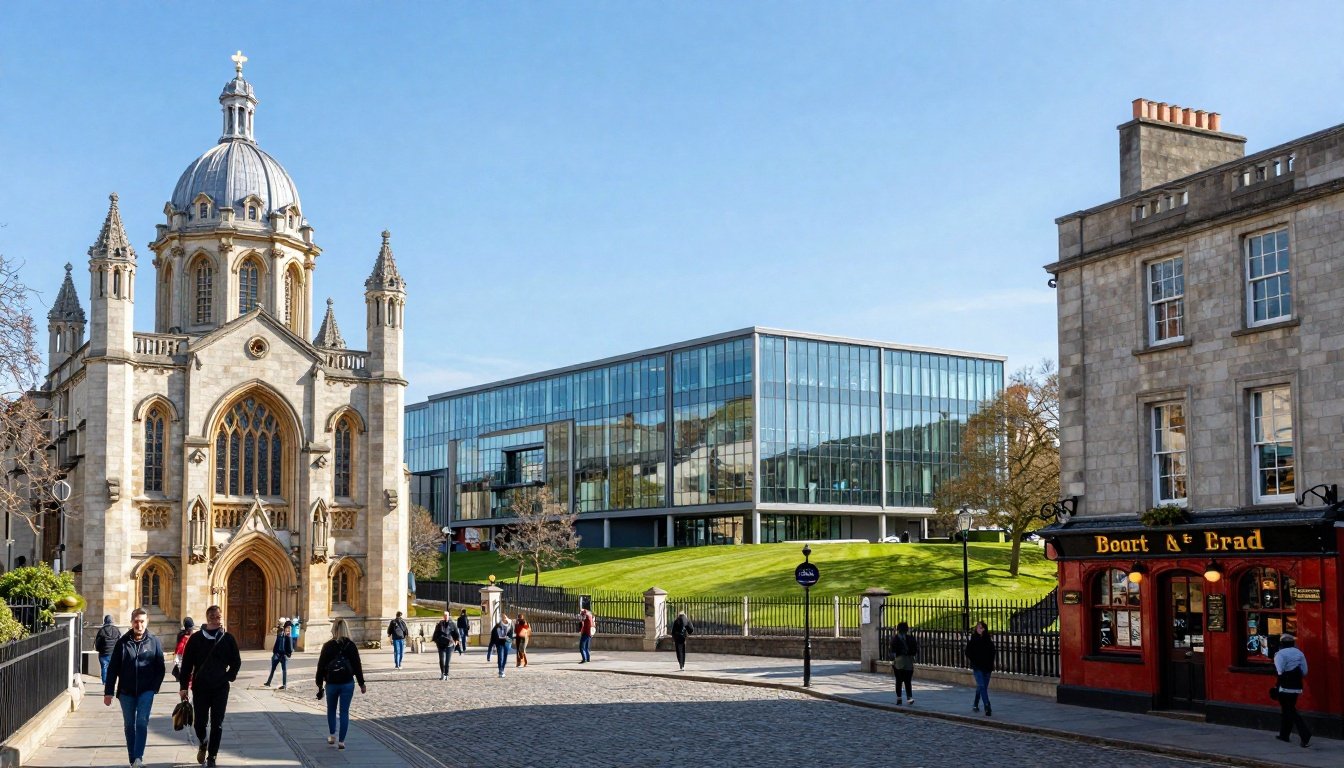
Picture green hills, lively pubs, and campuses blending history with modern labs. Students often praise the friendly locals and quick settling in, much like reviews from those who joined universities with solid support. This post covers top schools, expenses, visas, daily life, and comparisons to the UK and US. You’ll get a clear framework to decide if it fits your goals.
Quick Answer: Yes, If You Value Quality Education and Culture
Ireland shines for international students who seek top education in English. All seven public universities rank in the global top 3%. Trinity College Dublin sits in the top 100 QS rankings.
Key takeaways include:
- English-speaking nation: No language barriers for classes or life.
- Safe streets: Low crime rates, with campus security everywhere.
- Post-study work: Stay 1-2 years to job hunt in tech hubs like Dublin.
- Vibrant scene: Pubs, music festivals, and sports keep life fun.
- EU access: Easy trips across Europe from here.
- High employability: 80% of grads land jobs within nine months.
- Diverse crowds: 13.7% of students come from abroad.
Downsides exist, like Dublin rent hitting €3,000 monthly for basics. Still, smaller cities cut costs. Check the Irish immigration site for updates.
Top Universities in Ireland for International Students
Ireland hosts seven public universities drawing global talent. Trinity College Dublin leads, with over 6,900 international students. University College Dublin follows at nearly 8,000. Both rank top 200-250 worldwide.
University College Cork in Cork excels in health and business, hosting 4,500 internationals. University of Galway ranks top 300 for medicine and marine science, with 4,000 abroad. Dublin City University focuses on communications and tech. Maynooth University offers a cozy campus for humanities.
Popular fields: business, computer science, engineering, health sciences. Many schools provide scholarships up to €5,000 and dedicated international offices.
| University | City | QS Rank (approx.) | Strengths |
|---|---|---|---|
| Trinity College Dublin | Dublin | Top 100 | Humanities, tech |
| UCD | Dublin | Top 150 | Business, engineering |
| UCC | Cork | Top 300 | Health, business |
| University of Galway | Galway | Top 300 | Medicine, marine |
| DCU | Dublin | Top 500 | Communications |
| Maynooth | Maynooth | Top 800 | Social sciences |
See latest at Top Universities Ireland page.
What Makes These Schools Stand Out
These unis welcome internationals with tailored support, from arrival pickups to career fairs. Modern facilities pair with historic charm. Career services connect to firms like Google and Meta in Dublin. Students rave about helpful professors, active clubs, and easy friendships.
Costs of Studying Abroad in Ireland: Tuition and Living Expenses
Non-EU undergrad tuition runs €11,000-€28,000 yearly. Masters hit €11,000-€39,000, higher for medicine at €35,000+. Fees vary by program; check uni sites.
Living costs add up fast. Dublin demands €3,000+ monthly: rent €1,500-2,500 shared, food €400, transport €100. Galway or Cork drop to €2,000-2,500. Official visa minimum: €10,000 first year living plus tuition.
Sample yearly budget (Dublin masters student):
- Tuition: €20,000
- Rent/shared: €12,000
- Food/utilities: €5,000
- Transport/misc: €3,000
- Total: €40,000+
| Expense | Dublin (monthly) | Galway/Cork (monthly) |
|---|---|---|
| Rent (shared) | €1,500-2,500 | €1,000-1,800 |
| Food | €400 | €350 |
| Transport | €100 | €80 |
| Total | €3,000+ | €2,000+ |
Budget Tips to Save Money
- Hunt shared housing early via uni portals.
- Buy student transport passes for 30% off.
- Work part-time (20 hours term-time) in cafes.
- Cook meals; skip eating out.
- Join clubs for free events and meals.
Visa Process and Requirements for Irish Student Visa
Non-EU students need a D-type visa for courses over 90 days. Steps:
- Get acceptance from approved uni.
- Apply online via Irish Immigration; submit passport, letter, finances (€10,000+ proof from June 2025), insurance, fee €300.
- Attend biometrics if required.
- Arrive, register for IRP (Stamp 2) within 90 days, €300 fee.
Process takes 4-8 weeks. Shorter courses may skip visa. Prove English via IELTS/TOEFL.
Common Visa Pitfalls to Avoid
- Weak finances: Show bank statements or sponsor letters.
- Skip insurance: Buy full coverage upfront.
- Late IRP: Register first week to avoid fines.
- Wrong docs: Double-check lists.
Student Life in Ireland: Safety, Culture, and Job Opportunities
Ireland feels safe, with low violent crime. Watch pockets in cities. Culture buzzes: pubs for live music, GAA sports, hikes in green wilds. Locals welcome internationals; students settle fast, make friends quick.
Work 20 hours weekly during term, 40 in holidays. Post-grad scheme lets masters stay 24 months for jobs in pharma, tech, finance. 80% employ quick. Reviews note smooth support, fun trips.
Pros and Cons Table
| Pros | Cons |
|---|---|
| Top education quality | High housing costs |
| English everywhere | Rainy weather |
| Safe, friendly people | Competitive part-time jobs |
| Strong job prospects | Dublin crowds |
| Easy Europe travel | New high financial proof |
Ireland vs UK vs US: Which is Better for You?
Ireland offers mid-range tuition versus UK’s highs and US variability. Living costs rival London but beat New York. Degrees shorter (1-year masters). EU perks ease travel, unlike post-Brexit UK.
| Factor | Ireland | UK | US |
|---|---|---|---|
| Tuition (masters) | €11k-39k | £15k-40k | $20k-60k |
| Living (Dublin/London/NY) | High | Very high | Highest |
| Post-study stay | 1-2 years | 2 years | 1-3 years OPT |
| Visa ease | Straightforward | Points-based | Complex |
Recent Student Experiences
Students share easy adaptation, like one praising uni support for visas and friends. Housing hunts challenge, but clubs help. Many love the balance of study and pub chats, echoing quick settlements at places like Galway.
Conclusion
Ireland proves a good place to study abroad for English programs, quality unis, and tech careers, if you budget for costs. Over 44,000 internationals thrive yearly.
Pick a uni, verify visa rules, seek scholarships. Book free counseling to start, like services guiding thousands smoothly. Your Irish adventure awaits.


 Enu
Enu