 Enu
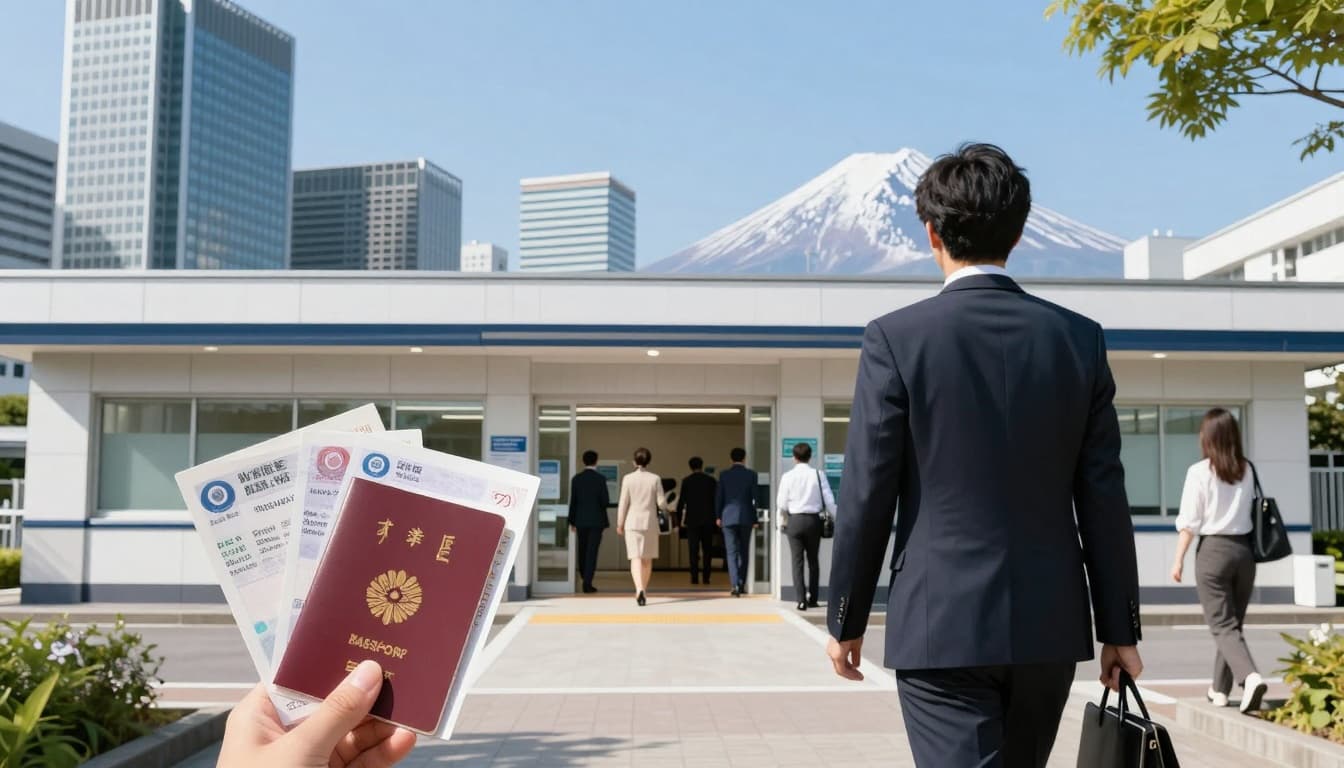
EnuJapan draws workers with its tech hubs, stable economy, and unique culture. Many dream of jobs in IT, engineering, or nursing amid labor shortages. The Japan work visa application process follows a strict two-step system. First, your sponsor gets a Certificate of Eligibility (COE) from Japan’s Immigration Services Agency. Then, you apply for the visa at a Japanese embassy or consulate.
This guide uses 2026 rules from official sources like the Immigration Services Agency and Ministry of Foreign Affairs (MOFA). You’ll learn visa types, eligibility, steps, documents, times, costs, and pitfalls to avoid. Start early, as the full process takes 2-4 months. Always check your local embassy for nationality-specific rules.
Quick Overview: Key Facts on Japan Work Visas
Japan’s work visas target skilled labor. Here’s what you need to know upfront:
- Two-step process: Sponsor applies for COE in Japan (1-3 months), then you get the visa abroad (5 days to 2 weeks).
- Job offer required: Almost all need a Japanese employer or sponsor.
- Main types: Engineer/Specialist, Specified Skilled Worker, Highly Skilled Professional, Working Holiday (ages 18-30).
- Processing total: 2-4 months; COE speeds up the visa stage.
- No criminal record: Clean background check essential.
- Funds proof: Show about ¥200,000-250,000 for living costs in some cases.
- Official sites: Use isa.go.jp for COE and mofa.go.jp for visas.
- 2026 updates: New quotas for Working Holiday; Digital Nomad for high earners.
These facts set the foundation. Now dive into options.
Types of Japan Work Visas Available in 2026
Japan tailors visas to jobs and skills. Pick one that matches your role. Common categories fill labor gaps in tech, care, and construction.
The Engineer/Specialist in Humanities/International Services visa covers broad fields. It suits IT developers, translators, marketers, and teachers. You need a related degree or 10 years’ experience.
Highly Skilled Professional offers perks like faster residency. Score 70+ points on salary, education, Japanese ability, and achievements. It grants family stays and quick permanent paths.
Specified Skilled Worker targets blue-collar roles. Pass a skills test (70+ points) and Japanese language exam. Sectors include nursing, shipbuilding, and manufacturing. Type 1 allows 5 years; Type 2 leads to residency.
Working Holiday lets youth from select countries (like Canada) work casually while traveling. Quotas apply, such as 1,500 for Hong Kong in 2026. Digital Nomad suits remote workers earning ¥10 million yearly from 49 countries.
Other options like Business Manager need ¥30 million investment and local hires. Check your fit on official sites.
Engineer and Specialist Visas Explained
This visa fits office jobs. Think software engineers coding apps or business consultants handling global deals. A bachelor’s degree in a matching field works best. Or prove 10 years in the role.
For example, a web developer from India with a computer science degree and a Tokyo firm offer qualifies. Contracts must detail salary and duties.
Specified Skilled Worker Visa Details
Focus on hands-on skills. Nurses aid elderly care; welders join factories. Take sector-specific tests plus JLPT N4 Japanese.
Type 1 stays up to 5 years, no family initially. Type 2 brings dependents and indefinite renewal. Japan pushes this for 14 industries.
Eligibility Requirements for Japan Work Visa
You must meet basics for any work visa. A Japanese sponsor handles much of the proof.
Core needs include a valid passport and clean record. No arrests or overstays elsewhere. Match skills to the job: degree, experience, or tests.
Show financial stability. Sponsors guarantee support, but bring ¥200,000-¥250,000 proof. Health checks apply for some.
Age matters for youth visas like Working Holiday (18-30). Highly Skilled needs point tallies. Dependents qualify under family status.
Nationality affects quotas. Chinese applicants face extra scrutiny. Sponsors verify everything.
Step-by-Step Japan Work Visa Application Process
The Japan work visa application process splits into clear stages. Plan 2-4 months ahead.
Before starting, checklist:
- Confirm job matches a visa type.
- Gather passport, photos, degrees.
- Check embassy rules for your country.
Step 1: Secure a Job Offer and Sponsor
Hunt jobs on sites like GaijinPot or LinkedIn. Employers must sponsor. Get a contract with salary (at least ¥200,000/month typical), duties, and term.
Sponsors prove company stability: tax records, office lease. This takes 1-6 months.
Step 2: Get Your Certificate of Eligibility
Sponsor submits COE to Immigration Bureau in Japan. Include your docs: photos, passport copy, CV, degrees (translated).
Processing: 1-3 months, sometimes 2-4 weeks. COE lasts 3 months. Proxies can file.
Step 3: Apply for Visa at Japanese Embassy
Take COE, passport, form, photos to your embassy. Pay fee; attend interview if asked. Approval in 5 days if complete.
Enter Japan within visa validity. Get residence card at airport.
Documents Needed for Japan Work Visa Application
Prep splits by stage. Translate to Japanese; notarize if needed.
For COE (sponsor submits):
- COE application form.
- Passport copy.
- 4 photos (4.5×3.5cm).
- Job contract and company profile.
- Your CV, diplomas, experience proofs.
For visa (you submit):
- Valid passport.
- Visa form.
- COE original.
- 1 photo.
- Sponsor guarantee letter.
- Funds proof (bank statement).
Working Holiday adds resume, intent statement, insurance pledge. Digital Nomad needs income docs (¥10M/year), remote contract, ¥10M insurance.
Use tables for clarity:
| Stage | Key Docs | Notes |
|---|---|---|
| COE | Form, passport copy, photos, contract | Sponsor files |
| Visa | COE, passport, form, photo | Embassy submits |
Double-check embassy lists.
Processing Times, Costs, and Official Resources
Times vary by completeness and type.
| Visa Element | Time | Notes |
|---|---|---|
| COE | 1-3 months | Faster for simple cases |
| Visa | 5 days-2 weeks | With COE; longer checks |
| Total | 2-4 months | Add job hunt |
Costs: Embassy fees by nationality (check locally, ~¥3,000-¥6,000). No COE fee.
Resources: Immigration Services Agency, MOFA working visa page, your embassy site. Services like VisaHQ check requirements.
Common Mistakes in Japan Work Visa Applications and Fixes
Avoid these to succeed:
- No sponsor: Fix by job hunting early on recruiter sites.
- Missing COE: Always get it; apply visa without delays approval.
- Incomplete forms: Fill fully, no staples or “unknown.”
- Wrong visa type: Match job exactly; consult sponsor.
- Untranslated docs: Get Japanese versions certified.
- Timing quotas: Apply in windows for Working Holiday.
- Poor copies: Include all passport pages/stamps.
- Ignore health/funds: Prove both upfront.
Plan ahead; use sponsor expertise.
Conclusion
The Japan work visa application process boils down to sponsor, COE, then embassy visa. Master types like Engineer or Specified Skilled, gather docs, and dodge pitfalls for smooth approval.
Japan offers great careers in tech and care. Start with a job offer and official checks. Contact your embassy or sponsor now. What’s your target role? Secure your future there.

 Enu
Enu