 Enu
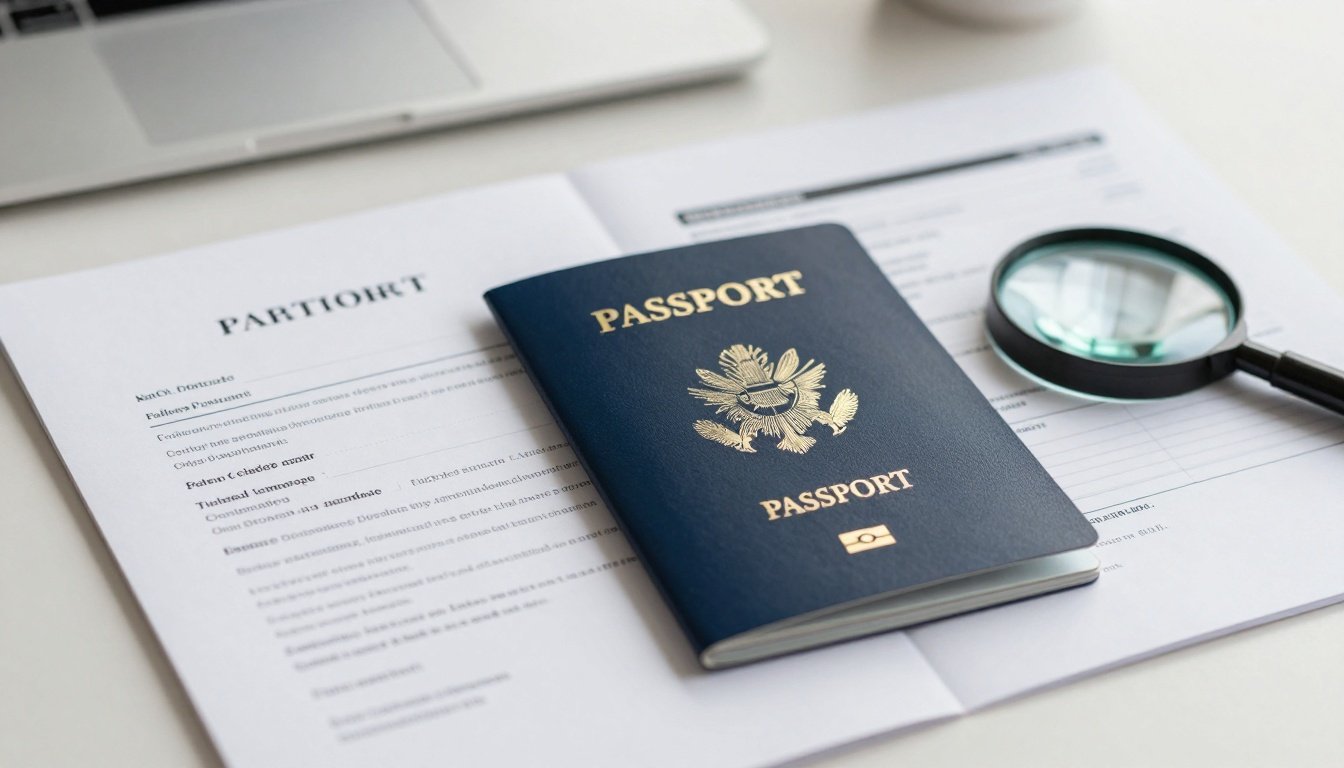
EnuPicture this: You’ve booked your visa interview, gathered stacks of papers, and feel ready. Then the officer spots a tiny spelling difference between your passport and school transcript. Your application stalls. Passport name mismatch hits thousands of international students and workers each year, turning excitement into delays.
Fix it early, and you sail through. This guide walks you through spotting issues on passports, school records, and bank docs. You’ll learn practical steps backed by embassy rules, plus tips to match everything perfectly for DS-160 forms and interviews.
Why Name Discrepancies Block Visas
Embassies treat your passport as the gold standard for identity. A mismatch with school records or bank statements raises red flags. Officers worry about fraud or confusion at borders.
Small errors like “Jon” versus “John” or reversed first-last names trigger holds. For US visas, consulates may stamp “FNU” (First Name Unknown), ruining travel plans. Start with your passport; make others align to it.
VFS Global centers, common for Schengen or UK visas, reject submissions outright if electronic records clash. Check U.S. State Department guidelines on name usage to see how they verify.
Spot the Problem: Common Mismatch Types
Scan your documents side by side. Does your passport say “Ahmed Khan” but transcript “Khan Ahmed”? Or bank statement abbreviate “A. Khan”?
Three big culprits:
- Typos from data entry at issuance.
- Cultural name orders (family name first in some countries).
- Legal changes like marriage not updated everywhere.
Make a quick table:
| Document Type | Example Mismatch | Risk Level |
|---|---|---|
| Passport | “Smith John” | High |
| School Record | “J. Smith” | Medium |
| Bank Statement | “John Smith Jr.” | Low |
Image suggestion: A split-image graphic showing a passport next to mismatched school and bank docs, with red circles highlighting differences.
Correct Your Passport Name First
Your passport sets the rule. Update it before touching other papers. Contact your government’s passport office with birth certificate or court order.
For minor typos, some countries let you annotate forms with “sic” next to the error. It means “as written.” But for big changes, apply for replacement. Processing takes 4-6 weeks; pay extra to rush.
US applicants follow State Department policy: Show ID proving the preferred name. They approve if evidence links identities clearly. Always use the passport’s exact Machine Readable Zone (MRZ) name on forms.
Update School Records and Transcripts
Schools issue the toughest fixes. Email the registrar with your passport copy and proof like a birth certificate. Request an official letter or amended transcript.
Expect 2-4 weeks and fees around $20-50. For degrees, services like WES (for Canada) need matching names too. Get notarized affidavits if full changes aren’t possible.
Students heading to the UK or US rave about consultants who handle this. One got their UCL offer after aligning urban planning transcripts perfectly.
Align Bank Statements and Financial Proofs
Banks update fast. Visit a branch with passport, ID, and name proof. Ask for fresh statements covering 3-6 months in the exact passport name.
Online banks email updates in days, often free. Print on bank letterhead. If old statements differ, attach an explanation letter signed by a bank officer.
This proves funds without doubt. Family sponsors match too, or risk rejection.
Handle Visa Forms and DS-160 Right
Fill DS-160 using passport name only. List aliases (school or old names) in the “other names used” section. Click “yes” and add details.
Double-check before submitting; it locks your Application ID. Mistakes mean a new form and rescheduled interview. For VFS apps, correct online before mailing docs. See this guide on VFS name corrections.
Prep Explanation Letters and Proofs
Write a simple affidavit: “I, [Passport Name], confirm [Old Name] on school doc matches due to [reason].” Notarize it.
Gather:
- Birth/marriage certificates.
- Affidavits from parents or officials.
- Old IDs linking names.
USCIS stresses verifying identity this way. Bring multiples to interviews.
Visa Interview Checklist
Arrive with everything matched. Officers scan fast.
Pack:
- Passport (primary).
- DS-160 confirmation.
- Updated school/bank docs.
- Proof bundle and letter.
Explain calmly: “Passport shows my legal name; here’s how others connect.” Practice. For students, match I-20 exactly.
Pitfalls That Trip People Up
Don’t ignore small differences; they snowball. Skipping passport updates first wastes time. Overlooking MRZ mismatches fools machines at airports.
Relying on verbal promises from schools fails. Always get stamped letters. For non-Latin names, transliterate consistently.
Workers forget petition approvals must align too.
When to Get Expert Help
Time short? Hire immigration consultants or lawyers. Study abroad firms like those partnering with 250+ universities fix docs smoothly. They know embassy quirks.
Check USCIS verification rules or local VFS for country-specific needs. Fees beat delays.
FAQs on Passport Name Mismatch Fixes
Will a minor spelling issue kill my visa?
Usually not, if explained with proof. But fix where possible.
How long before interview to start?
3-6 months. Passports take longest.
What if school won’t change records?
Affidavit plus secondary proofs work.
US student visa specific?
Match SEVIS I-20 to passport precisely.
Bank proof for family visas?
Sponsor statements must match their passport.
Post-visa mismatch?
Contact embassy for sticker correction (rare).
A passport name mismatch doesn’t have to derail your dreams. Prioritize your passport, align school and bank docs, and arm yourself with proofs. You’ll walk into that interview confident.
Book a consult or check embassy sites now. Safe travels await. What’s your biggest doc worry? Share below.

 Enu
Enu