 Enu
EnuA refusal can feel like a locked door, but it’s often more like a return-to-sender stamp. If you reapply after visa refusal with the same story and the same gaps, you’ll likely get the same result. If you reapply with clear changes, clean evidence, and a calm explanation, your odds improve.
This guide explains what to fix, what to keep, and when timing matters most, across tourist, student, work, and family visas. Always confirm prices and policies on the official site.
Quick Answer (Read This First)
- Don’t rush unless you can clearly show what changed since the refusal.
- Read the refusal letter like a checklist, not an insult.
- Keep your core story (purpose, itinerary, sponsor), but tighten proof and wording.
- Replace weak documents with stronger ones (bank history, job proof, ties to home).
- If refusal mentions credibility, consistency, or misrepresentation, pause and get advice before you reapply.
- Consider appeal or review options where allowed (the UK has formal routes in some cases).
- Use official guidance for your destination, for example the U.S. State Department’s page on visa denials.
- A good reapplication is short on emotion and heavy on verifiable facts.
What Is a Visa Reapplication and What Does It Do?
A visa reapplication is a new application, judged on the information you submit now. It’s not a negotiation about fairness, it’s a fresh decision based on the law and your evidence.
In many countries, you can apply again right away. The catch is simple: if nothing meaningful changed, the outcome usually won’t either.
If you were refused because the officer wasn’t convinced you’d leave, didn’t trust the funding source, or found your documents inconsistent, your next application must answer that exact concern with better proof.
Some cases are different. If the refusal involves fraud, identity issues, or bans, reapplying without a plan can dig a deeper hole.
Refusal vs. rejection vs. inadmissibility
Words vary by country, but the idea matters. A routine refusal often means “not enough proof.” Inadmissibility-type problems can mean “not allowed,” unless you qualify for a waiver or meet conditions.
When the letter points to serious credibility issues, treat it like a legal problem, not a paperwork problem.
Key Features of reapply after visa refusal
- A clear “what changed since last time” explanation (one page is often enough).
- Stronger evidence for the refusal reason, not just more pages.
- Consistent details across forms, letters, dates, and social profiles.
- A realistic itinerary and purpose that matches your background and finances.
- Clean funding trail (where the money came from and how it’s used).
- Proof of ties that pull you home (job, school, family, property, obligations).
- A calmer interview approach, focused on direct answers.
Step-by-Step: How to Use a Reapplication Plan
If you want to reapply after visa refusal, treat it like rebuilding a case file, not reprinting the old one.
- Read the refusal letter twice and list each reason in plain language.
- Match each reason to the evidence you can provide (or admit you can’t yet).
- Fix inconsistencies first (dates, job titles, study history, travel history).
- Upgrade documents that were weak (bank history, payslips, tax proof, sponsor proof).
- Write a short cover letter: refusal reason, your correction, your proof, and a simple index.
- Prepare for the interview with 10 to 12 direct answers, no long stories.
- Apply again only when your new evidence clearly changes the picture.
- Keep copies of everything submitted and any payment receipts.
Before you pay (mini checklist):
- Your new evidence answers the refusal reasons, point by point.
- Your forms match your documents, including dates and spellings.
- You can explain funding and ties in two or three sentences.
- You checked official guidance for reapplication rules (the U.S. Embassy has a practical note on reapplying for a U.S. visa).
Pricing, Fees, and What “Cheap” Really Means
Reapplying costs more than the visa fee. “Cheap” often just means you’re not counting the extras.
Total cost can include the visa fee, biometric fee, appointment services, document translation, medical exams (for some visas), travel to the VAC/consulate, courier return, and optional help like form-filling or SMS updates offered by some visa centers.
If you use an agent or lawyer, add consultation and document review fees. Paying for expert review can be smart when the refusal involves credibility or complex sponsorship, but paying for someone to “guarantee approval” is a red flag.
Example (illustrative only): Visa fee $185 + biometrics $30 + translation $60 + courier $25 = $300 total, before travel costs.
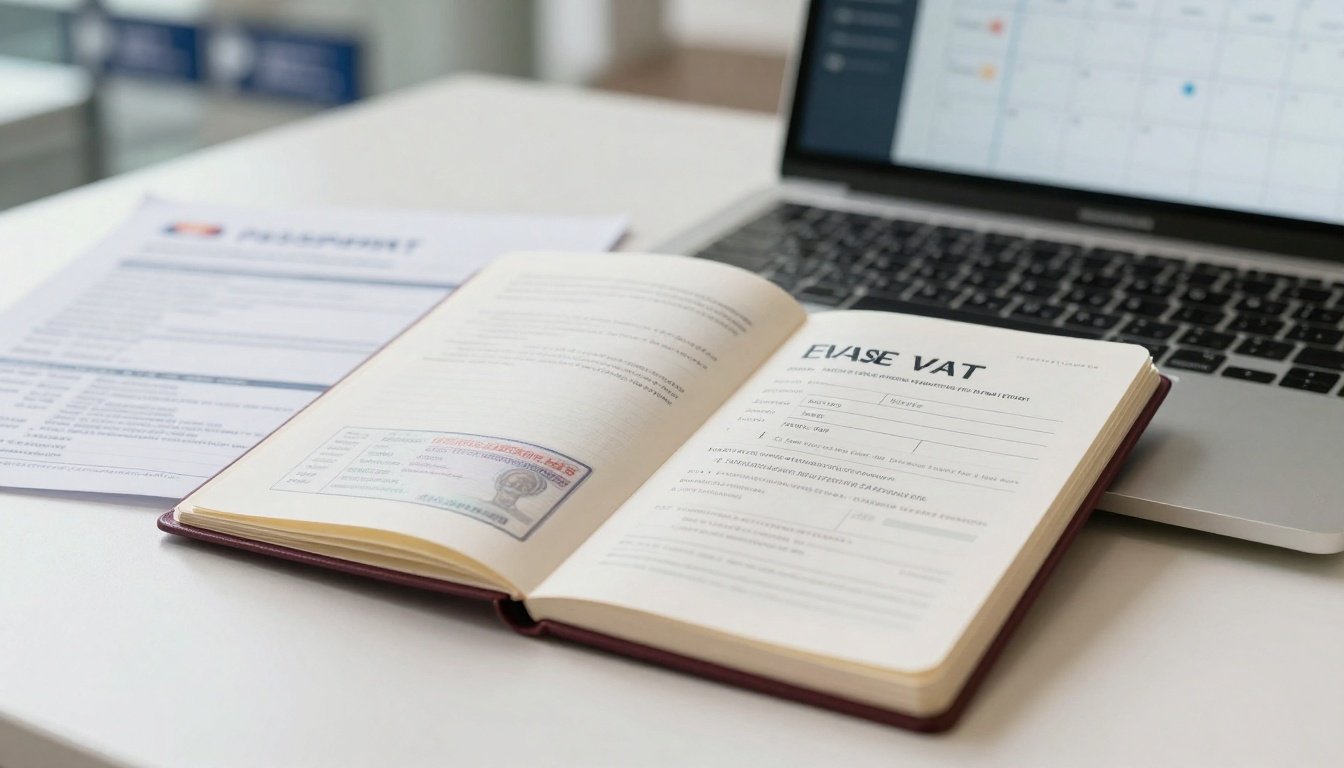
Image suggestion: A simple checklist photo showing a refusal letter beside organized documents, labeled “What changed?” and “New evidence”.
Pros and Cons
| Decision | Pros | Cons | Best when |
|---|---|---|---|
| Reapply quickly | Keeps plans moving | Same outcome if nothing changed | You fixed a clear mistake fast |
| Wait and strengthen | Stronger proof, better timing | Delays travel or intake | You need job history, savings, or documents |
| Appeal/review (if allowed) | Challenges errors | Time limits, narrow grounds | Decision looks wrong on facts/law |
| Switch visa type | Better fit for purpose | New requirements, new scrutiny | Your original visa didn’t match your plan |
| Get professional review | Catches gaps early | Added cost | Refusal mentions credibility or complex ties |
Common Mistakes (and How to Avoid Them)
- Applying again with the same documents; replace weak proof, don’t stack papers.
- Ignoring one refusal point; answer every reason even if it’s uncomfortable.
- Overexplaining in the interview; short, direct answers build trust.
- Sudden “gift” deposits; show bank history and a believable source of funds.
- Mismatched job letters and bank activity; align salary, dates, and payments.
- Vague travel purpose; use a specific itinerary and realistic timing.
- Sponsor letters with no proof; add sponsor income, bank history, and relationship proof.
- Using fake documents; it can trigger long bans. If something is missing, wait or change plans.
Is reapply after visa refusal Legit and Safe?
Yes, in most systems it’s legitimate to reapply after visa refusal, and many people succeed. The risk is not the act of reapplying, it’s reapplying carelessly.
Keep it safe by using official portals, official payment channels, and official appointment systems. Be cautious with third parties. Verify who takes your money, what they can actually do, and whether fees are refundable.
If you’re applying for the UK and think an error was made, review the government rules on visa and immigration reconsideration requests to see if a formal route fits your case.
For Schengen, rules differ by country, and appeals exist in many cases. If you choose to appeal, use structured guidance like how to write an appeal letter for Schengen visa refusal.
Tips to Get Better Deals
Saving money shouldn’t weaken your file. Cut costs where it doesn’t affect credibility.
- Apply only when your new evidence is ready, so you don’t pay twice.
- Avoid last-minute travel to distant appointment locations.
- Translate only what’s required by the checklist.
- Use clear scans and naming, so you don’t pay for repeat printing.
- If a medical exam is required, use approved clinics only.
- Don’t pay for “VIP” add-ons unless time is truly tight.
- If you hire help, pay for document review, not promises.
- Keep a digital folder of reusable items (IDs, civil docs, past visas).
- Track exchange rates if you pay in a foreign currency.
- If your refusal was about funds, build savings slowly; sudden jumps look suspicious.
FAQs
Can I reapply after a visa refusal immediately?
Often yes, but a fast reapply makes sense only if something real changed or you fixed an error.
Will a second refusal hurt more than the first?
It can, especially if you submit inconsistent facts again. A clean, improved application is safer than repeated attempts.
Do I need new documents every time?
Not everything. Keep stable documents (passport, civil docs), but refresh finances, employment, and any proof tied to “current” status.
Are visa fees refundable after refusal?
Usually no. Assume the fee is for processing, not for approval, and confirm rules on the official site.
Should I use an agent or apply directly?
Direct applications reduce confusion, but professional review can help after a refusal, especially for complex work, family, or credibility issues.
What if the refusal says I didn’t show strong ties?
Bring stronger ties: job contract, leave approval, school enrollment, family obligations, property, and a clear reason to return on time.
What if I think the officer made a mistake?
Check if your country offers appeal or administrative review, and act within deadlines.
Conclusion
A refusal doesn’t define your chances, but your response does. When you reapply after visa refusal, keep the parts of your story that are true and consistent, then upgrade the proof that the officer didn’t trust.
Your best next step is simple: map each refusal reason to one strong document (or a real-life change), then apply only when the file is stronger, not just newer. If you do that, reapply after visa refusal becomes a strategy, not a gamble.


 Enu
Enu