 Enu
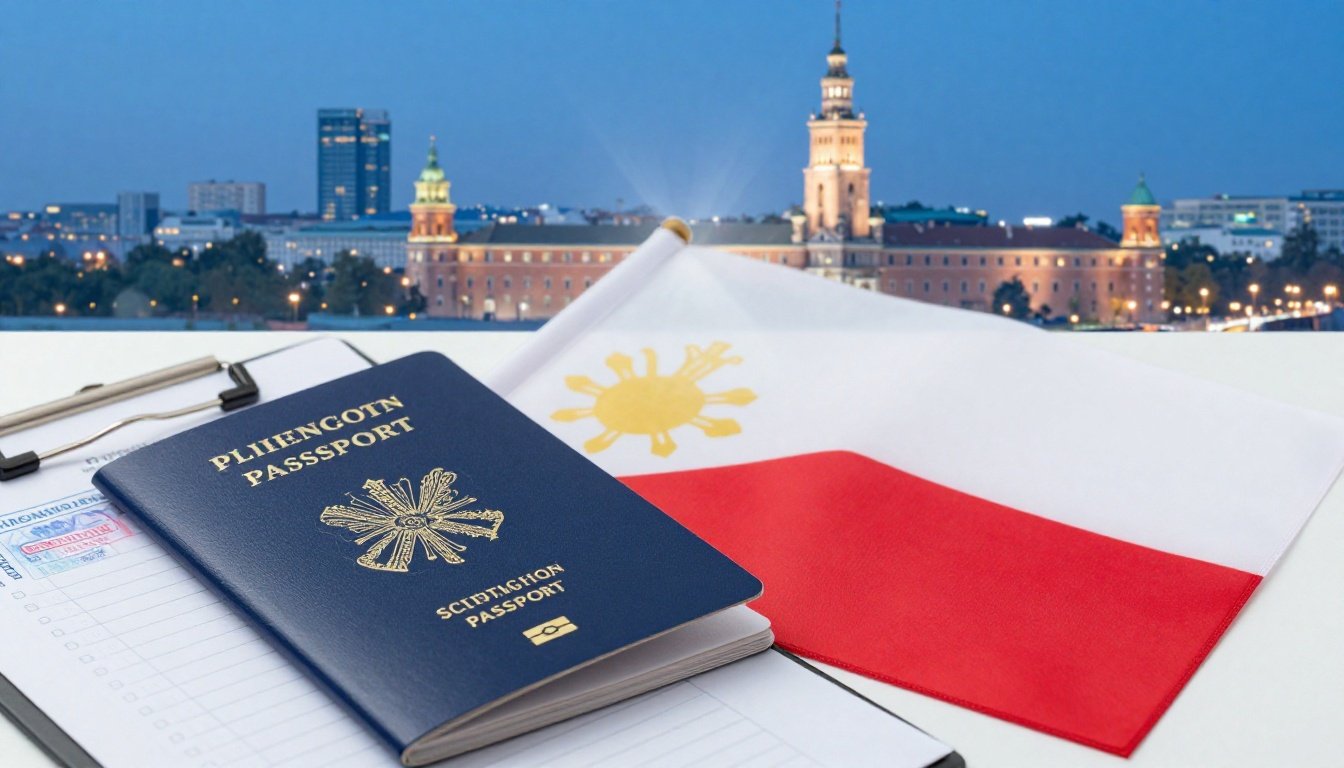
EnuPlanning a trip to Poland starts with one core task, getting the schengen visa poland from philippines process right. This guide breaks down what the visa is, where Filipinos apply, what documents matter most, and what costs to expect.
You’ll also see common mistakes that trigger refusals, how biometrics work, and how to judge whether your booking and support setup is legit and safe. Always confirm prices and policies on the official site.
Quick Answer (Read This First)
- Filipino passport holders usually need a Schengen short-stay visa to visit Poland for tourism, business, or family visits (up to 90 days in any 180-day period).
- Poland applications in the Philippines are submitted via BLS Visa Application Centers (not VFS, in current official guidance).
- Poland should be your main destination (longest stay, or main purpose) if you apply through Poland.
- Standard processing is often around 15 calendar days, but cases can extend up to 45 days when extra checks are needed.
- You’ll submit biometrics (fingerprints and photo) unless exempt (for example, some applicants with recent Schengen biometrics).
- Fees are paid at submission and are typically non-refundable even if refused.
- Your file is only as strong as your proof of purpose, funds, and ties to the Philippines.
- For official Poland-specific instructions, use the Poland C-type Schengen visa page.
What Is BLS Poland Visa Center and What Does It Do?
BLS is the application intake partner used for Poland Schengen submissions in the Philippines, based on current official Poland embassy guidance. It’s where you book an appointment, submit documents, give biometrics, and pay the required charges.
BLS doesn’t decide your visa result. The decision is made by the Polish consular authority, while the center handles front-end processing and logistics.
For the schengen visa poland from philippines, this matters because it changes where you go in person, and what “customer service” really covers (appointments, document intake, courier options, status tracking).
Key Features of schengen visa poland from philippines
- Short-stay permission for up to 90 days in any 180-day period (Schengen rule).
- Poland can be your entry point, main stay, or main purpose destination.
- Covers travel across the Schengen Area once admitted, as long as you respect the time limit and visa sticker conditions.
- Supports common purposes like tourism, business meetings, visiting family or friends, and certain short courses (as allowed by Schengen rules).
- Requires standard Schengen medical insurance with minimum coverage (commonly €30,000 for emergencies and repatriation).
- Requires proof of funds and proof you’ll leave Schengen before your allowed stay ends.
Step-by-Step: How to Use BLS for a Poland Schengen Visa
1) Choose the right visa lane (and Poland as main destination)
For schengen visa poland from philippines, apply through Poland when Poland is where you stay the longest, or where the main reason for the trip happens (business event, family visit, medical booking).
2) Prepare the application form and photo
Complete the Schengen application form carefully and keep answers consistent with your itinerary, proof of work, and funding documents.
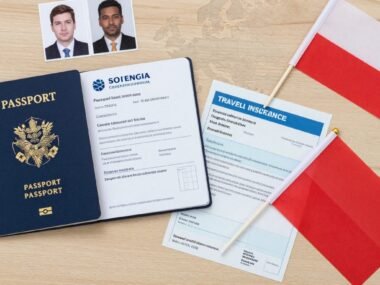
3) Build your document set around proof, not promises
Embassies judge what you can prove on paper. Focus on bookings, employment evidence, and clean financial statements.
4) Book an appointment with the visa center
Appointments are limited during peak travel months, so availability becomes part of your planning timeline.
5) Submit in person and provide biometrics
Expect fingerprints and a photo capture during submission, unless you fall under an exemption category.
6) Pay fees and keep receipts
Fees are collected at submission. Keep proof of payment and your reference number for tracking.
7) Track your application and wait for a decision
Use the reference number issued at submission to monitor movement and passport return timing.
8) Receive your passport and verify the visa sticker
Check name spelling, dates, number of entries, and the duration of stay shown on the sticker.
Before you pay, confirm these basics:
- Your Poland itinerary matches your supporting documents.
- Your bank statements show stable activity, not just a last-minute deposit.
- Your insurance covers the full Schengen period requested.
- Your flight and hotel records are readable and consistent with dates.
- You have copies of everything you submit.
Pricing, Fees, and What “Cheap” Really Means
The Schengen visa fee is standardized across Schengen states, commonly around €80 for adults and €40 for children aged 6 to 12, with children under 6 often free. On top of that, you may pay a service fee charged by the visa application center, plus optional add-ons like courier return, photo services, printing, or SMS updates.
“Cheap” can be misleading for the schengen visa poland from philippines search intent because applicants often compare only the visa fee and forget the full basket of costs. Total cost usually includes the visa fee, service fee, transport to the center, insurance, document printing, and any change fees if you adjust bookings.
Example calculation (illustrative only): an adult applicant pays the standard Schengen fee (example €80), plus a service fee (varies), plus travel insurance (varies), plus courier return (optional). The final peso amount depends on the center’s pricing, exchange basis, and what add-ons you choose.
Pros and Cons
| Topic | Pros | Cons |
|---|---|---|
| One visa, many countries | Poland Schengen can allow travel beyond Poland within Schengen | You still must follow the 90/180 rule |
| Clear process channel | BLS centralizes intake and biometrics | Appointment slots can be tight |
| Document guidance | Checklists help standardize submissions | Missing one item can sink the application |
| Status visibility | Tracking exists once submitted | It won’t explain the decision logic |
| Optional services | Courier and printing can save time | Add-ons can raise “cheap” total cost |
Common Mistakes (and How to Avoid Them)
- Submitting through Poland when another country is the real main destination, fix it by aligning where you apply with where you stay longest.
- Inconsistent dates across flights, hotels, and leave letter, fix it by matching all timelines before submission.
- Weak proof of employment or business activity, fix it by adding clear employer letters, approvals, and supporting records.
- Bank statements that don’t show stable funds, fix it by providing several months of statements and a clear source of income.
- Insurance that doesn’t cover the full period or doesn’t meet Schengen minimums, fix it by verifying coverage terms before purchase.
- Unclear purpose, fix it by adding a short cover letter that matches your documents (tourism route, family visit plan, or business agenda).
- Missing civil status documents for family applications, fix it by bringing the correct PSA-issued certificates when relevant.
- Applying too late for peak season, fix it by planning around possible extensions up to 45 days.
Is schengen visa poland from philippines Legit and Safe?
The schengen visa poland from philippines process is legit when you apply via the official Poland guidance and use the designated visa application center. The safest way to judge legitimacy is to confirm the intake channel and requirements on official government pages, then cross-check the checklist your center publishes.
Also check what “customer service” really means before you pay. For visa centers, support usually covers appointment handling, document intake questions, and delivery logistics, not approval influence.
For Poland tourism submissions, a practical reference is the center checklist PDF, which shows what a “complete application” looks like, see Poland tourist visa checklist PDF. For broader Schengen context for Filipinos, compare against a neutral explainer like Schengen requirements for Filipinos guide.
Tips to Get Better Deals
- Compare insurance pricing only after confirming it meets Schengen minimum coverage and dates.
- Avoid paying for premium add-ons you won’t use (SMS updates, printing bundles, lounge options).
- Choose refundable hotel rates when possible, so changes don’t create cancellation losses.
- Keep flight planning realistic, avoid complex routings that force expensive changes later.
- Bundle document printing and photocopy needs at home to reduce on-site fees.
- If courier is optional, compare it with pickup costs and travel time.
- Track currency conversion costs if you pay in pesos based on euro pricing.
- Keep your itinerary tight, fewer moving parts usually means fewer booking fees.
- Don’t “cheap ticket” chase if it risks missed connections and paid rebooking.
- Build a buffer for changes, support calls, and reprints, since these add up fast.
FAQs
1) Do Filipinos need a visa for Poland?
For short visits, Filipino citizens generally need a Schengen visa to enter Poland, unless they qualify for a specific exemption based on passport or status.
2) Where do I apply for the schengen visa poland from philippines?
Applications are submitted through the designated Poland visa application center channel in the Philippines, based on official Poland guidance, rather than walk-in consular submission.
3) How long does processing take?
A common baseline is around 15 calendar days after submission, but some cases can extend up to 45 days if extra checks are required.
4) Is the visa fee refundable if refused?
Schengen visa fees are generally non-refundable because they cover processing, not the outcome.
5) Do I need confirmed flight tickets?
Many applicants use flight reservations rather than fully paid tickets while the application is pending. The key is consistency and credibility across your dates and route.
6) What’s the minimum bank balance required?
Requirements are assessed by trip length and circumstances. Many guides cite daily spending expectations (often shown as examples like €50/day), but what matters most is stable, explainable funds and income.
7) Can I visit other Schengen countries with a Poland visa?
Yes, Schengen rules allow movement within the Schengen Area after entry, as long as you follow the 90/180 limit and your visa conditions.
8) Do I need biometrics every time?
Biometrics are usually required, but some applicants may be exempt if their fingerprints were collected within the recent Schengen validity window, subject to rules at submission time.
Conclusion
Getting the schengen visa poland from philippines right comes down to three things, Poland as the correct main destination, a complete document file, and realistic timelines that account for processing and possible delays. When those line up, the rest is execution at the visa center.
Use official Poland guidance as your anchor, then build your application around proof: purpose, funds, and strong reasons to return to the Philippines. Always confirm prices and policies on the official site.


 Enu
Enu