 Enu
EnuPicture this: You’ve nailed your university application. Transcripts shine, your statement of purpose pops. But then the visa office bounces your papers back. Why? They lack proper certification. Notarization vs apostille trips up countless students chasing dreams abroad. This guide clears the fog. You’ll learn exactly what each does, spot the differences, and know when to use them for admissions, visas, or enrollment.
In 2026, with study abroad spots filling fast, get your documents right the first time. Skip delays that kill deadlines. We’ll break it down simple, with steps backed by official sources.
What Is Notarization?
Notarization verifies your identity and confirms you signed a document willingly. A notary public—a state-licensed official—watches you sign or swears to the paper’s truth.
It adds a seal, signature, and stamp. This proves the document is genuine within your country. Think diplomas, affidavits, or power of attorney forms.
For study abroad, notarization often starts the chain. Schools or embassies require it before higher steps. One student shared how her consultant guided her through notary fixes for UK apps, landing accepts from five schools.
What Is an Apostille?
An apostille certifies public documents for use in foreign countries. It’s a square sticker or certificate from your state authority, like the Secretary of State.
Issued under the 1961 Hague Convention, it validates signatures and seals. Over 120 countries accept it—no extra embassy steps needed.
Unlike basic notary work, apostilles handle international trust. For US academic credentials, check the U.S. Department of State guidelines. They confirm the process stays steady into 2026.
Notarization vs Apostille: Core Differences
| Aspect | Notarization | Apostille |
|---|---|---|
| Purpose | Proves signer identity domestically | Certifies document for Hague countries |
| Issuer | Local notary public | State Sec. of State or federal office |
| Scope | Within your country | International (120+ nations) |
| Format | Seal/stamp on document | Attached certificate |
| Cost | $5–$20 per signature | $3–$20 + notary fees |
| Time | Minutes at notary | 2–6 weeks |
Notarization is step one; apostille builds on it. Many mix them up, causing rejections. See a clear breakdown at Legalization Service Centre.
When to Use Notarization for Study Abroad Papers
Start here for most docs. Universities want notarized transcripts, birth certificates, or affidavits of support.
Use it solo if your target country skips Hague rules or for private papers. Parents often notarize financial proofs for F-1 visas.
One applicant fixed her resume and LOR via seminars, then notarized. She got UK offers hassle-free.
When Does Your Study Abroad Application Need an Apostille?
Go apostille for official docs heading to Hague Convention members—like UK, Canada, Australia, Germany. Covers 80% of popular spots.
Transcripts, diplomas, degrees? Apostille them post-notary. Non-Hague spots (e.g., UAE, China) need embassy legalization instead.
Confirm your uni’s list. A master’s hopeful apostilled her papers for Ireland, crediting pros for smooth visa grabs.
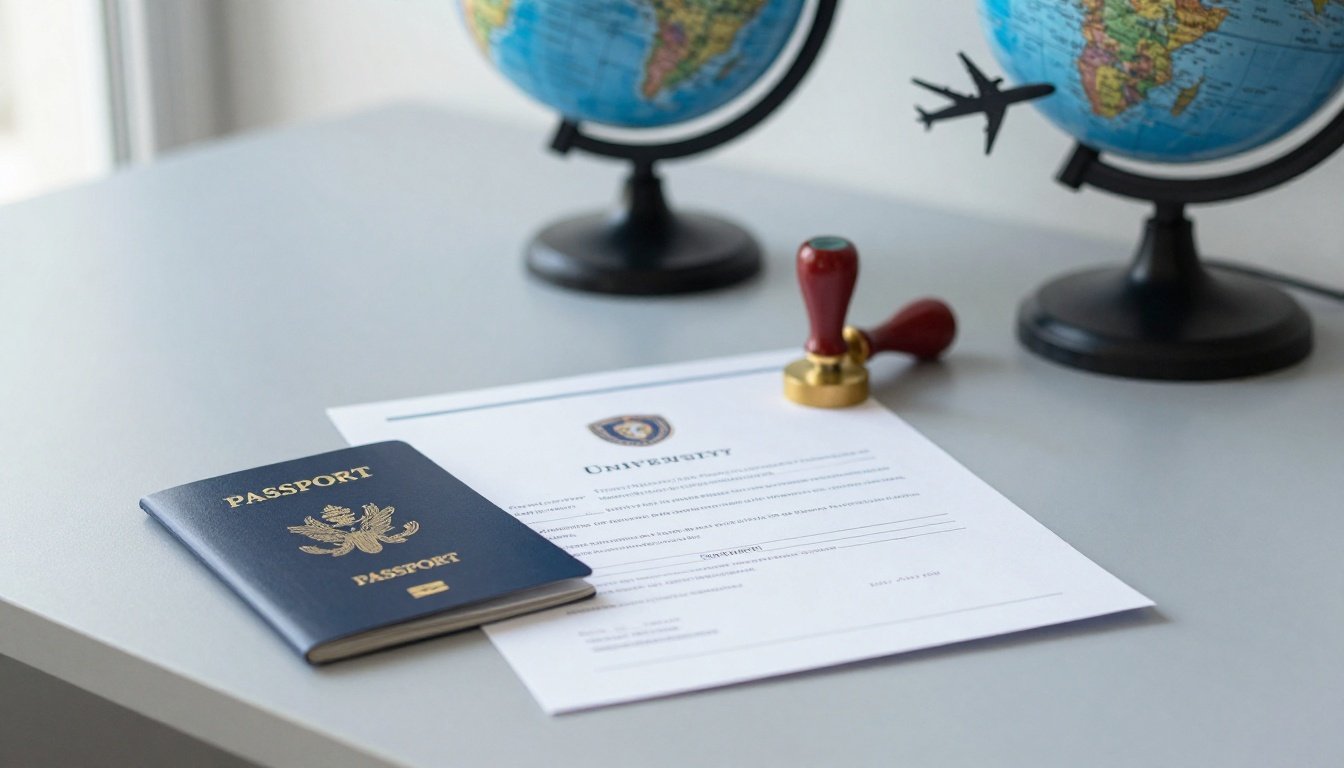
Image suggestion: A split-image graphic showing a notary seal next to an apostille certificate, with a world map highlighting Hague countries.
Step-by-Step: Prepare Documents Right
- Gather originals: Transcripts from registrar, sealed envelopes.
- Notarize: Visit notary; pay fee. Ensure clear seal.
- Check state rules: US states issue apostilles. Federal docs to State Dept.
- Submit: Mail with cover letter, fees, return envelope. Use USA.gov authentication guide.
- Track: Expect 4–8 weeks. Expedite if offered.
- Translate if needed: Some countries require certified versions.
Before shipping: Verify destination is Hague (hcch.net). Double-check notary legibility.
Hague Convention Countries and Exceptions
Most study hotspots join: UK, Ireland, Australia, NZ, Canada (most provinces). US joined 1981; no 2026 shifts.
Exceptions? India, Vietnam need full legalization. Always ask your uni or embassy.
Students praise counselors for spotting these early, avoiding visa snags.
Costs, Timelines, and Pro Tips
Notary: $10 average. Apostille: $10–$50 per doc, plus mail.
Total for transcripts? $50–$150. Rush adds $100+.
Plan 2 months ahead. Services speed it up, like those helping with UK/Ireland ties.
Real Student Wins with Proper Prep
Take Emily: Personalized schedule, doc tweaks, all five UK accepts. JH trusted fast service for Leicester MA.
Jehabuz Khan got Strathclyde MSc; team handled apps to visas. Ishwar snagged Aston with £5k scholarship.
These stories show experts cut stress. From SOP to apostille, full support pays off.
Common Pitfalls and Fixes
Don’t skip notary—apostille offices reject unsealed docs.
Blurred seals? Redo. Wrong state? Start over.
Unsealed transcripts fail. Use couriers for tracking.
Forget translations? Many euros demand them.
FAQs
Do I need notarization before apostille?
Yes, for most academics. It’s the base layer.
Which US states handle apostilles?
All 50; Secretary of State offices.
How long for 2026 visas?
Start now; processes unchanged.
Costs for multiple docs?
Batch them; save on mail.
Non-Hague country?
Embassy legalization after State Dept cert.
Help available?
Consultants guide, like those aiding 52k students.
Wrap It Up
Notarization verifies locally; apostille unlocks global doors. Pick based on your destination—Hague gets apostille, others may stop at notary.
Master notarization vs apostille to ace your 2026 abroad push. Book free counseling today; turn overwhelm into offers. Your dream uni waits.


 Enu
Enu