 Enu
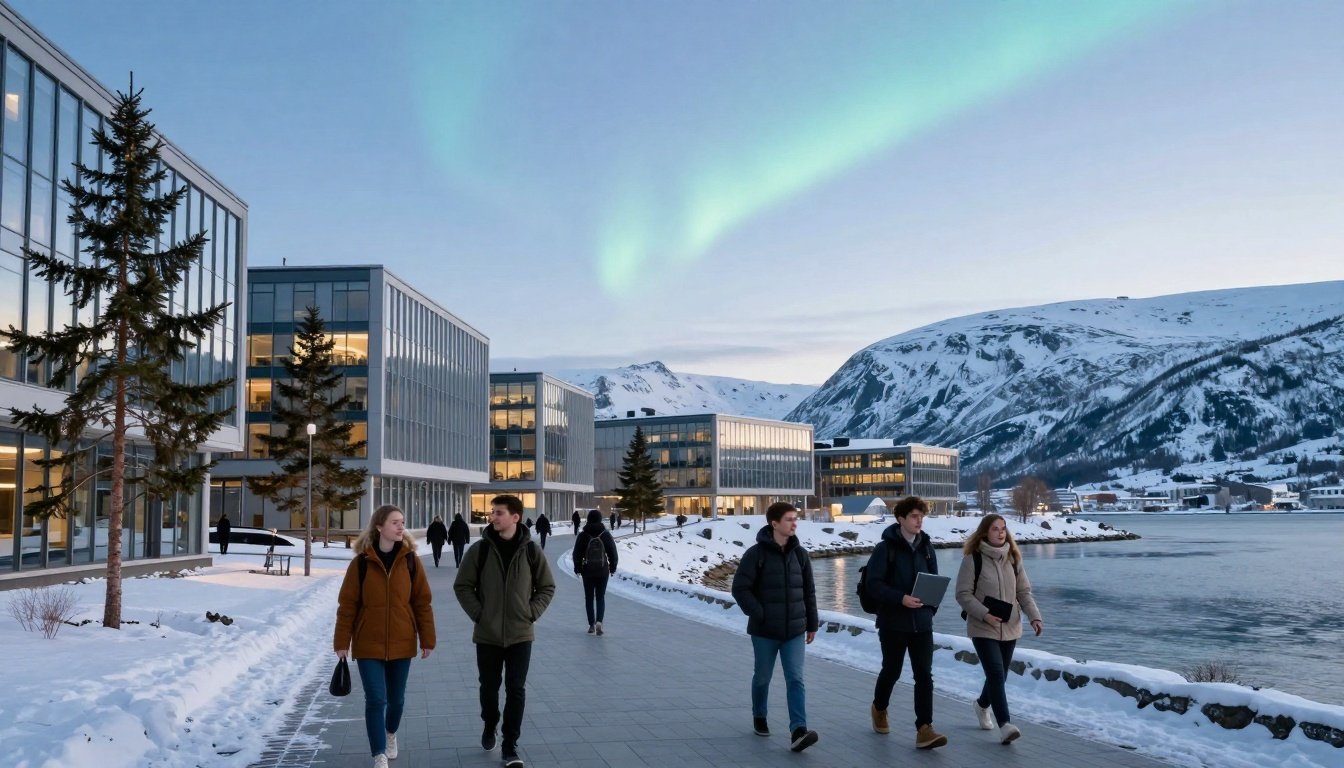
EnuImagine crisp fjords, northern lights, and a society that ranks among the world’s happiest. Norway draws students with its stunning scenery and top-notch education. Many Norwegian universities that teach in English make this dream accessible, especially for master’s degrees. Places like the University of Oslo, NTNU, and UiT The Arctic University lead the way.
These schools offer hundreds of programs without needing Norwegian fluency. EU/EEA students enjoy free tuition, while others pay around 150,000 to 190,000 NOK per year. Bachelor’s options stay rare, but master’s abound in fields like tech and sustainability. This guide covers top picks, programs, costs, and steps to apply. You’ll find real student stories of smooth transitions abroad, backed by expert advice that turns ambitions into acceptances.
Why Study at Norwegian Universities That Teach in English?
Norway stands out for research-driven teaching and innovation. Universities push boundaries in sustainability and tech, often tying classes to real-world projects like renewable energy. The country feels safe, with easy access to hikes, skiing, and midnight sun. English serves as the main language in many programs, so you skip language barriers.
Students rave about the experience. One got offers from five schools after consultant help with statements and visas. Another praised quick support for UK-style applications, landing spots at top unis. Compared to pricier spots like the US, Norway offers value, especially for EU folks with no tuition. Non-EU students face fees but gain high employability in global fields.
English-taught degrees in Norway boost resumes. Graduates snag jobs fast, thanks to strong industry links.
Top Benefits for International Students
- High employability: Degrees align with green jobs; post-study work visas let you stay up to a year.
- Student life perks: Affordable public transport, outdoor clubs, and safe cities draw diverse crowds.
- Work rights: Part-time jobs pay well (up to 20 hours weekly during term).
- Platforms like GoAbroad list options; StudyIn counselors guide applications for stress-free starts.
Top Norwegian Universities That Teach in English
Norway hosts over 350 English programs, mostly master’s. Key players include University of Oslo with 800+ courses, NTNU for tech, UiT Arctic with 27 master’s, University of Agder for broad options, Nord University with 200 programs, and Noroff University College for practical tech training. Each shines in niches, from arctic studies to engineering.

University of Oslo: Leading English-Taught Options
UiO tops rankings with courses across sciences, humanities, and law. Over 800 English options suit upper undergrad and master’s levels. No full English bachelor’s, but exchanges mix well. Strengths include global health and peace studies; apply by December for autumn.
NTNU: Science and Tech in English
Norway’s tech powerhouse offers dozens of master’s like marine tech and AI. International, joint Nordic, and Erasmus Mundus programs welcome globals.
UiT The Arctic University: Northern Programs
In Tromsø, UiT runs 27 master’s in fields like fisheries and climate. Deadlines hit June 1 for autumn, January 6 for spring. No bachelor’s in English, but one-year options bridge gaps. Details at UiT admissions. Arctic focus sets it apart.
University of Agder blends business and health master’s across Kristiansand and Grimstad. Nord University in Bodø covers aquaculture and tourism with 200 English courses. Noroff emphasizes hands-on IT and games design at private campuses.
English-Taught Programs: Bachelor’s, Master’s, and PhD
Bachelor’s in English number only dozens nationwide, like NMBU’s environment studies. Master’s dominate with 2-year formats (120 ECTS) in psych, marine bio, and engineering. PhDs often use English for research, fully funded for strong candidates. Search portals for updates.
Bachelor’s Degrees in English: Limited but Available
Few full programs exist; most unis stick to Norwegian. Try NMBU or private spots like Noroff for business/tech. One-year bridges at UiT work as alternatives. Expect specific high school subjects like math.
Master’s Programs: The Main Draw
These pull internationals with specializations in sustainability and biotech. NTNU and UiT lead; apps need relevant bachelor’s and grades. Fields mirror global needs, prepping for careers abroad or home.
Admission Requirements, Costs, and Scholarships
Prove academics with diplomas (high school for bachelor’s, bachelor’s for master’s). English tests like IELTS or TOEFL count if prior study wasn’t English-medium. Apps open October to March; non-EU pay fees. Scholarships stay limited; unis offer some merit aid. Consultants streamline docs, as one student noted for multiple acceptances.
Proving Your English Skills
Submit IELTS (6.0+), TOEFL iBT (80+), PTE, or C1 tests (1-2 years old). Exemptions apply for English-taught priors or Nordic high school. Scores vary; UiT accepts telc B2/C1.
Budget Breakdown for International Students
EU/EEA: Free tuition, semester fee ~600 NOK, living 130,000 NOK/year (Oslo highest at 180,000). Non-EU: Add 150,000-190,000 NOK tuition. Example: NTNU master’s = 170,000 NOK tuition + 140,000 living = 310,000 NOK first year. Housing, food, transport add up; budget extra for winter gear.
Conclusion
Norwegian universities that teach in English deliver world-class education amid epic nature. From UiO’s breadth to NTNU’s tech edge, options fit most goals, though master’s lead. Factor fees, English proof, and deadlines carefully.
Start now: Visit official sites, book free counseling via platforms like StudyIn, and apply early for 2026. One student turned rejections to offers with tailored help; you can too. What’s your field? Chase that acceptance and fjord adventure.


 Enu
Enu